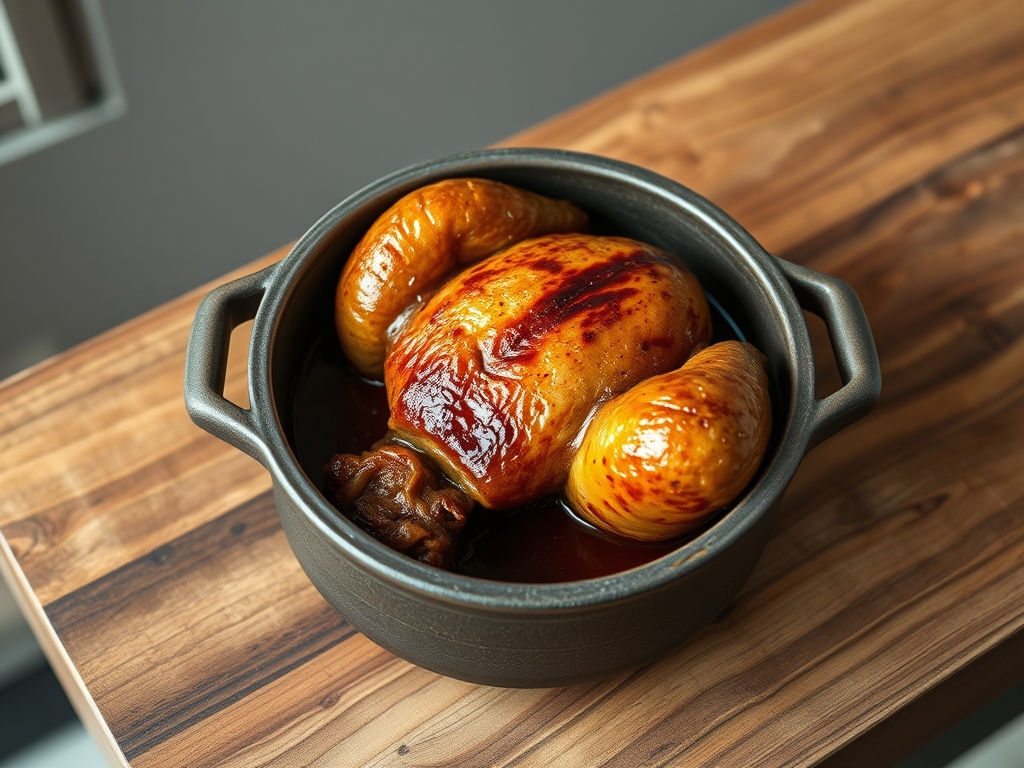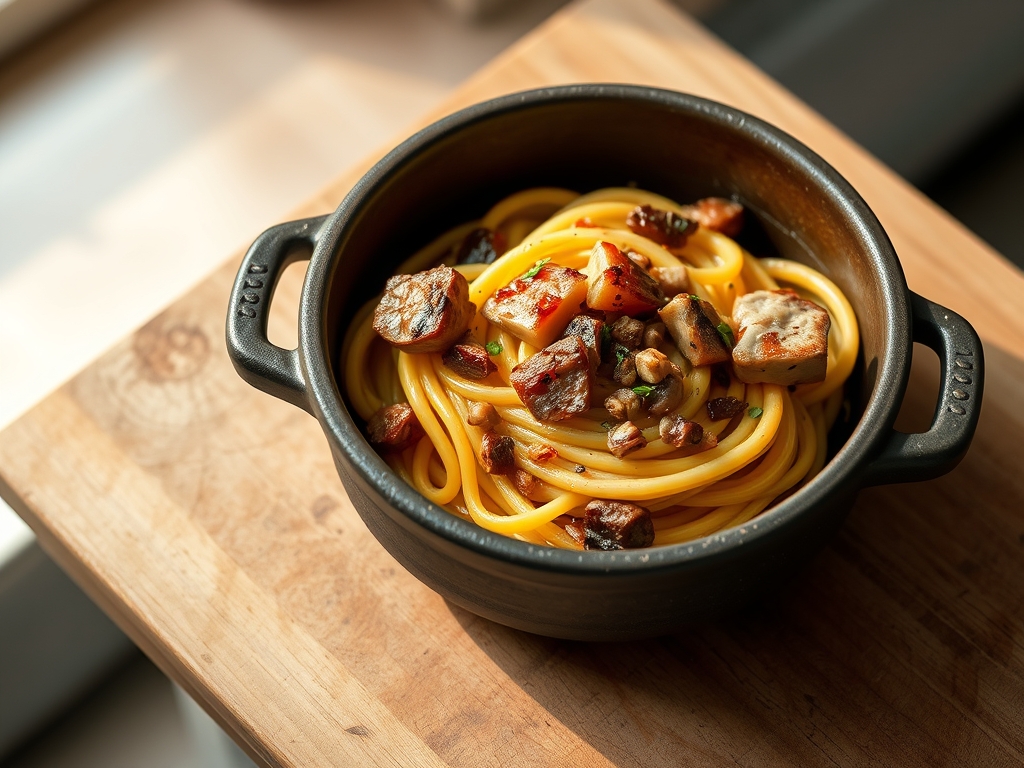
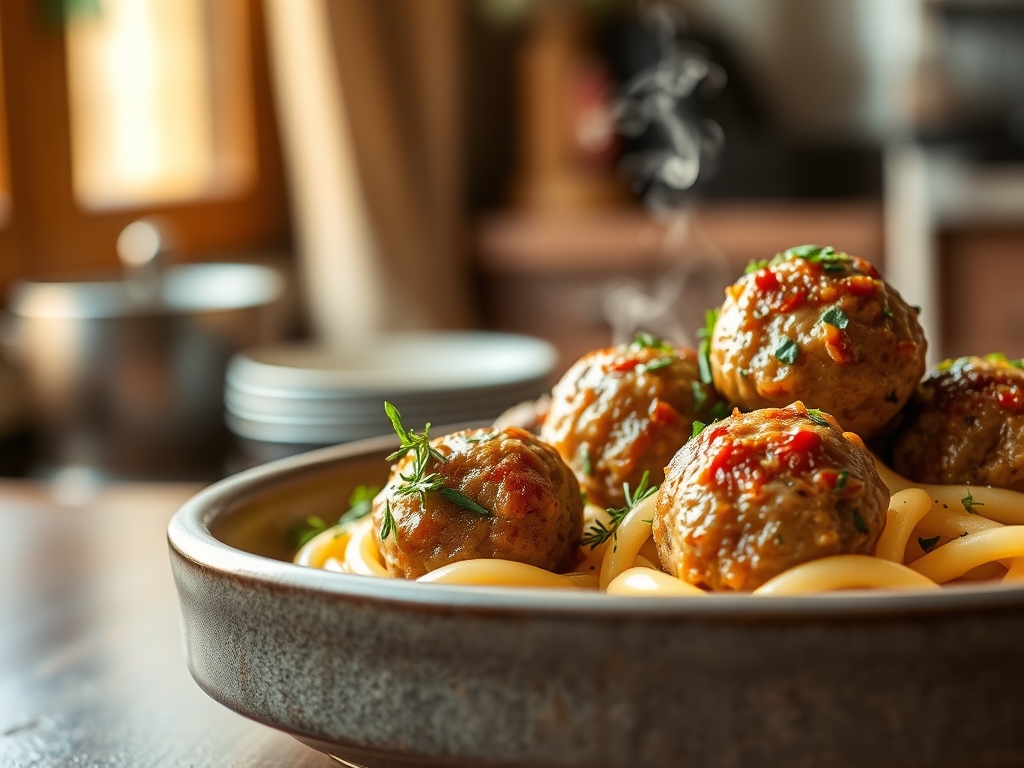
Forget the soggy, cafeteria-grade spheres of your childhood. We are here to conduct a high-stakes audit of the Swedish Meatball; a dish that, when executed with technical precision, represents the pinnacle of savory engineering. We are looking for a structural masterpiece that balances a delicate, aerated interior with a deeply caramelized exterior crust. This is not just dinner; it is a complex negotiation between proteins, fats, and starches. The goal is a bite that is simultaneously rich and ethereal, bathed in a sauce so viscous and piquant that it demands a standing ovation. We are talking about a Maillard reaction that would make a chemist weep and a texture so refined it defies the laws of ground meat physics. If your current meatballs are dense, dry, or lack the structural integrity to withstand a heavy cream immersion, your kitchen is officially under review. Prepare to recalibrate your sensory expectations. We are stripping this classic down to its molecular foundations to ensure every milligram of flavor is accounted for and every thermal variable is controlled.
THE DATA MATRIX
| Metric | Specification |
|---|---|
| Prep Time | 30 Minutes |
| Execution Time | 25 Minutes |
| Yield | 4-6 Servings (Approx. 30 Spheres) |
| Complexity | 6 / 10 |
| Estimated Cost per Serving | $3.50 – $4.50 |
THE GATHERS
Ingredient Protocol:
- Protein Base: 500g / 1.1 lbs Ground Beef (20% fat) and 250g / 0.5 lbs Ground Pork.
- Binder: 100g / 1 cup Fresh Breadcrumbs and 120ml / 0.5 cup Whole Milk.
- Aromatics: 1 Large Onion (finely grated) and 2 Garlic Cloves (minced).
- Seasoning: 1 tsp Allspice, 0.5 tsp Nutmeg, 1.5 tsp Salt, and 1 tsp Black Pepper.
- Binding Agent: 1 Large Egg.
- The Sauce: 40g / 3 tbsp Butter, 40g / 0.25 cup All-Purpose Flour, 500ml / 2 cups Beef Stock, and 120ml / 0.5 cup Heavy Cream.
- The Acid: 1 tsp Dijon Mustard and 1 tsp Worcestershire Sauce.
Section A: Ingredient Quality Audit:
If your ground beef is too lean (90/10), the structural integrity of your Swedish Meatballs will fail; they will become dry and crumbly. The technical fix is to ensure a 70/30 or 80/20 beef-to-fat ratio or supplement with additional ground pork to render sufficient lipids. If your breadcrumbs are bone-dry and "sandy," they will not hydrate properly. Use fresh, high-quality bread or soak dry crumbs in milk for at least ten minutes to create a panade. This ensures the proteins do not over-bond, which prevents the meat from becoming tough. If your spices lack potency, toast them in a dry pan for 30 seconds to infuse the oils before adding them to the mix.
THE MASTERCLASS
Step-by-Step Execution:
1. The Panade Hydration
In a stainless steel mixing bowl, combine your breadcrumbs and milk. Allow them to sit until a thick paste forms. This is the secret to an aerated texture.
Pro Tip: Use a digital scale to measure your liquids; precision here prevents the mixture from becoming too "soupy" or too dense. The starch molecules must fully swell to provide a moisture buffer during the cooking process.
2. The Protein Amalgamation
Add the beef, pork, egg, grated onion, and spices to the panade. Mix until just combined. Do not overwork the meat.
Pro Tip: Use a bench scraper to fold the ingredients together rather than squeezing them through your fingers. Over-mixing leads to protein cross-linking, which results in a rubbery, bouncy texture instead of a tender bite.
3. Spherical Calibration
Form the mixture into small spheres, approximately 2.5cm / 1 inch in diameter. Aim for uniformity to ensure even thermal distribution.
Pro Tip: Use a small cookie scoop or a digital scale to ensure each ball weighs exactly 30 grams. Consistency in mass ensures that every unit reaches the target internal temperature simultaneously.
4. The Maillard Searing
Heat a large heavy-bottomed skillet or saucier over medium-high heat with a tablespoon of oil. Brown the meatballs in batches, ensuring they develop a deep brown crust on all sides.
Pro Tip: Avoid overcrowding the pan. If the temperature drops too low, the meat will steam in its own juices rather than sear. We need that high-heat chemical reaction to create the complex flavor compounds essential to the dish.
5. The Roux and Deglaze
Remove the meatballs and set aside. In the same pan, melt butter and whisk in flour to create a roux. Gradually whisk in the beef stock.
Pro Tip: Use a silicone whisk to scrape the bottom of the pan and deglaze the brown bits (fond). These caramelized particles contain the concentrated essence of the meat and are vital for a deep, savory sauce.
6. The Emulsion Finality
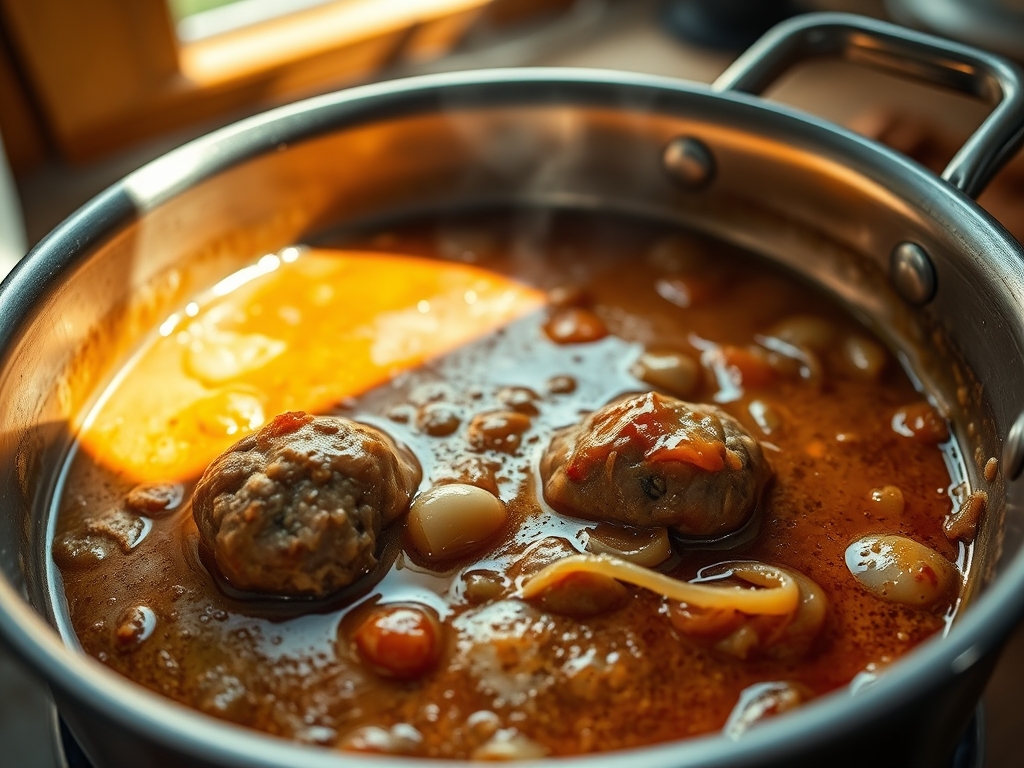
Whisk in the heavy cream, mustard, and Worcestershire sauce. Return the meatballs to the pan and simmer until the sauce is viscous and coats the back of a spoon.
Pro Tip: Use an instant-read thermometer to ensure the meatballs have reached an internal temperature of 71C / 160F. This ensures safety without sacrificing the moisture levels of the pork and beef blend.
Section B: Prep & Timing Fault-Lines:
The most common human error in this protocol is "The Thermal Rush." If you attempt to sear the meatballs while they are still warm from the friction of mixing, they will lose their shape. Chill the formed spheres in the refrigerator for 20 minutes before they hit the pan. This sets the fats and ensures they maintain their spherical geometry. Another timing error is adding the cream to a boiling sauce. If the temperature is too high, the cream can "break," leading to a grainy texture. Lower the heat to a gentle simmer before introducing the dairy to maintain a smooth, luxurious emulsion.
THE VISUAL SPECTRUM
Section C: Thermal & Visual Troubleshooting:
Referencing the Masterclass photo, your Swedish Meatballs should exhibit a "Dual-Tone Contrast." The exterior must be a rugged, dark umber, while the sauce should be a pale, silky taupe. If your meatballs look grey and "washed out," your pan temperature was too low during the sear. If the sauce is translucent rather than opaque, your roux was insufficient or you did not incorporate enough heavy cream to achieve the necessary opacity. If the sauce appears broken or oily, whisk in a tablespoon of cold water or additional cream over low heat to re-emulsify the fats. The final presentation should show the sauce "clinging" to the spheres, indicating the perfect viscosity.
THE DEEP DIVE
Macro Nutrition Profile
A standard serving of five meatballs with sauce provides approximately 450 calories, 32g of fat, 12g of carbohydrates, and 28g of protein. The high fat content is intentional; it provides the mouthfeel and satiety required for this Nordic comfort staple.
Dietary Swaps (Vegan/Keto/GF)
- Vegan: Utilize a "beyond" style plant-based crumble and swap the milk/cream for cashew-based alternatives. Use a mushroom-based stock for the sauce.
- Keto: Replace breadcrumbs with crushed pork rinds or almond flour. Ensure the beef stock has no added sugars.
- GF: Use certified gluten-free breadcrumbs and swap the all-purpose flour in the roux for a 1:1 gluten-free flour blend or xanthan gum (use sparingly).
Meal Prep & Reheating Science
To maintain molecular structure during reheating, avoid the microwave. The localized high-frequency waves will toughen the proteins. Instead, reheat gently in a covered skillet over low heat with a splash of beef stock to loosen the sauce. This prevents the emulsion from separating and keeps the interior of the meatballs tender.
THE KITCHEN TABLE
Why are my meatballs falling apart in the pan?
This usually indicates a lack of binding or insufficient chilling. Ensure your panade is thick and that you have allowed the formed meatballs to rest in the fridge. This stabilizes the fat and proteins before they hit the heat.
Can I bake these instead of pan-frying?
You can, but you will sacrifice the superior Maillard crust. If you must bake, use a high temperature (220C / 425F) and a wire rack to allow air circulation. You will still need to finish them in the sauce.
What is the best side dish for Swedish Meatballs?
The traditional audit requires buttery mashed potatoes (to soak up the sauce) and lingonberry jam. The acidity and sweetness of the berries provide a necessary counterpoint to the rich, savory profile of the meat and cream.
Why use both beef and pork?
Beef provides the structural integrity and deep flavor, while pork adds necessary fat and a softer texture. This hybrid approach ensures the meatballs are neither too tough nor too greasy, achieving a perfect "middle ground" density.