The kitchen is not a sanctuary; it is a laboratory where physics and chemistry collide to create edible architecture. Forget the slow, agonizing crawl of yeast fermentation. We do not have hours to wait for biological respiration to inflate our dough. We need speed. We need the violent, instantaneous expansion of carbon dioxide triggered by the meeting of an acid and a base. This is the realm of Irish Soda Bread. When the buttermilk hits the baking soda, the reaction is immediate and unforgiving. You can practically hear the molecular structural shift as the dough begins to aerate. The scent of toasted wheat and tangy lactic acid fills the air, promising a crust so rugged it looks like a topographical map of the Burren and an interior crumb that is tender, steaming, and ready to be slathered in salted butter. This is high-velocity baking for the modern technician. If you miss the window of reactivity, you are left with a dense brick. Hit it perfectly, and you have a masterpiece of chemical engineering.
THE DATA MATRIX
| Metric | Specification |
|---|---|
| Prep Time | 10 Minutes |
| Execution Time | 45 Minutes |
| Yield | 1 Large Loaf (8-10 Slices) |
| Complexity (1-10) | 3 |
| Estimated Cost per Serving | $0.45 |
THE GATHERS
Ingredient Protocol:
- 450g / 3.5 cups All-Purpose Flour (plus extra for dusting)
- 5g / 1 tsp Baking Soda (Sodium Bicarbonate)
- 6g / 1 tsp Fine Sea Salt
- 350ml / 1.5 cups Full-Fat Buttermilk (Cold)
- 30g / 2 tbsp Cold Unsalted Butter (Optional, for richness)
Section A: Ingredient Quality Audit:
The primary failure point in Irish Soda Bread is the loss of potency in the leavening agent. If your baking soda has been sitting in an open box for six months, its ability to aerate the dough is compromised. Test it by dropping a pinch into vinegar; if it does not erupt into a viscous foam immediately, discard it.
Furthermore, the "buttermilk" sold in many supermarkets is often thin and lacks the necessary lactic acid concentration to neutralize the base. If your buttermilk feels watery, reinforce it with a teaspoon of lemon juice or cream of tartar. This ensures the pH balance is sufficiently acidic to trigger the full release of CO2. If using whole wheat flour, ensure it is stone-ground; highly processed flours can render the bread gummy by absorbing moisture too rapidly.
THE MASTERCLASS
Step-by-Step Execution:
1. Dry Component Integration
Place your digital scale on a level surface and tare it. Sift the flour, baking soda, and salt into a large stainless steel mixing bowl. Sifting is non-negotiable; it removes clumps of soda that would otherwise create bitter, soapy green pockets in the finished crumb.
Pro Tip: Use a whisk to vigorously incorporate the dry ingredients. This mechanical action ensures the sodium bicarbonate is evenly distributed, preventing "dead zones" where the bread fails to rise.
2. Hydration and Acid Activation
Create a well in the center of the dry ingredients. Pour the cold buttermilk into the center. Using a bench scraper or a stiff spatula, fold the flour into the liquid using as few strokes as possible. You are looking for a "shaggy mass" rather than a smooth dough.
Pro Tip: The moment the acid in the buttermilk touches the soda, the clock starts. Over-mixing will develop gluten, turning a tender Irish Soda Bread into a tough, rubbery loaf. Stop mixing the second no dry flour remains.
3. Structural Shaping
Turn the dough onto a lightly floured surface. Use your hands to gently pat it into a round disc about 1.5 inches thick. Do not knead. Use a sharp lame or a serrated knife to cut a deep cross (the "X") into the top, extending nearly to the edges.
Pro Tip: The cross is not just symbolic; it allows the heat to penetrate the thickest part of the loaf, ensuring the center is fully baked before the exterior burns. This is known as "letting the devil out" in folklore, but in physics, it is thermal venting.
4. Thermal Application
Slide the dough onto a preheated baking stone or a heavy cast-iron skillet. Place it in a 425 degree F (220 degree C) oven. Bake for 30 to 35 minutes. When finished, the bottom should sound hollow when tapped.
Pro Tip: For a softer crust, wrap the hot loaf in a clean linen towel immediately after removal. This traps the escaping steam to infuse the crust with moisture, preventing it from becoming excessively flinty.
Section B: Prep & Timing Fault-Lines:
The most common human error is "The Delay." If you shape the dough and let it sit on the counter while the oven finishes preheating, you are losing lift. The chemical reaction peaks within the first three minutes of hydration. Your oven must be at full temperature before the buttermilk touches the flour. Another fault-line is temperature; if the buttermilk is room temperature, the reaction occurs too quickly. Keep your liquids cold to delay the gas release until the loaf is under the influence of oven spring.
THE VISUAL SPECTRUM
Section C: Thermal & Visual Troubleshooting:
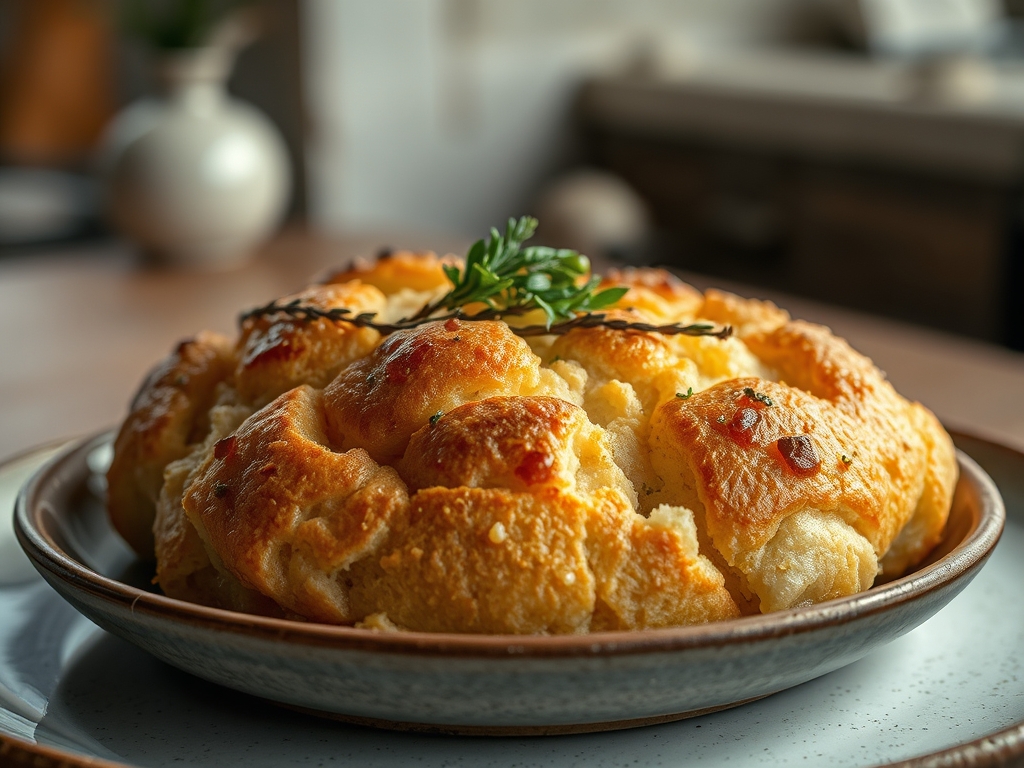
Observe the Masterclass photo. The crust exhibits a deep, variegated gold with "crag-and-tail" textures. If your loaf is pale and ghostly, your oven temperature is likely calibrated too low, failing to trigger the Maillard reaction. If the bread has a dull, matte finish, you may have used too much dusting flour on the surface.
If the "X" has not spread open, your dough was too dry, or the cut was too shallow. A successful Irish Soda Bread should look "exploded" at the seams. If you see yellow or green streaks in the crumb, this is a visual cue of unreacted baking soda; next time, ensure your sifting protocol is more rigorous and your acid levels are higher.
THE DEEP DIVE
Macro Nutrition Profile
Per slice (approx. 60g): 160 Calories, 32g Carbohydrates, 5g Protein, 1g Fat. This is a high-carbohydrate, low-fat fuel source. The use of buttermilk provides a small amount of calcium and riboflavin, while the absence of sugar keeps the glycemic index lower than standard white breads.
Dietary Swaps
- Vegan: Replace buttermilk with 350ml of soy milk mixed with 15ml of apple cider vinegar. Let it sit for 10 minutes to curdle before use.
- Gluten-Free: Use a high-quality 1-to-1 GF flour blend containing xanthan gum. Note that the dough will be more viscous and may require a loaf pan for support.
- Keto: This is difficult as the structure relies on starch. A combination of almond flour, psyllium husk, and egg whites can mimic the texture, though the chemical leavening will be less aggressive.
Meal Prep & Reheating Science
Irish Soda Bread is best consumed within 6 hours of baking. To preserve molecular structure for long-term storage, slice the loaf and freeze it in airtight bags. To reheat, use a toaster or a 350 degree F oven for 5 minutes. Avoid the microwave; it excites water molecules in a way that turns the starch structure into a gummy, unpalatable mess.
THE KITCHEN TABLE
Why is my soda bread so dense?
You likely over-handled the dough. Excessive kneading develops gluten, which traps the CO2 in a rigid matrix rather than allowing it to expand. Treat the dough like biscuit dough; be gentle and fast.
Can I add raisins or seeds?
Absolutely. Adding caraway seeds or currants is traditional in many regions. Fold them into the dry ingredients before adding the buttermilk to ensure even distribution without over-mixing the final dough.
What if I don't have buttermilk?
Create a "clabbered" milk substitute. Add one tablespoon of lemon juice or white vinegar to a cup of whole milk. Let it stand for ten minutes until it thickens and begins to curdle.
Why did my bread turn green?
This is a chemical reaction between the baking soda and certain antioxidants in sunflower seeds or specific flours. It is harmless but indicates an uneven distribution of the base. Sift your soda better next time.