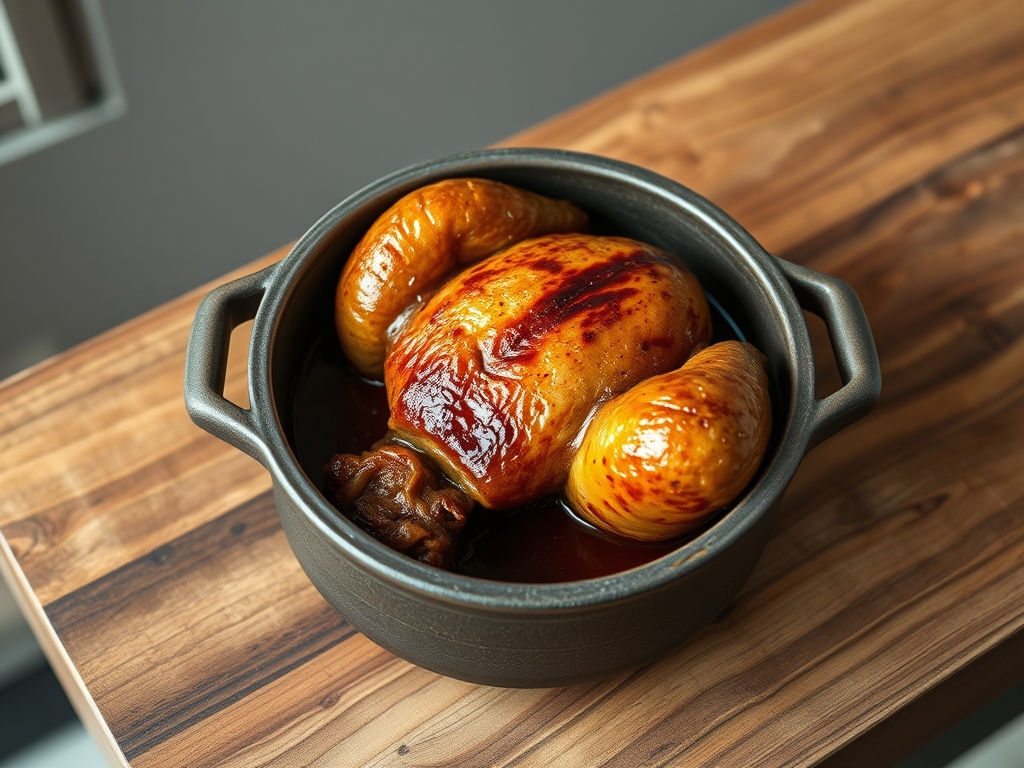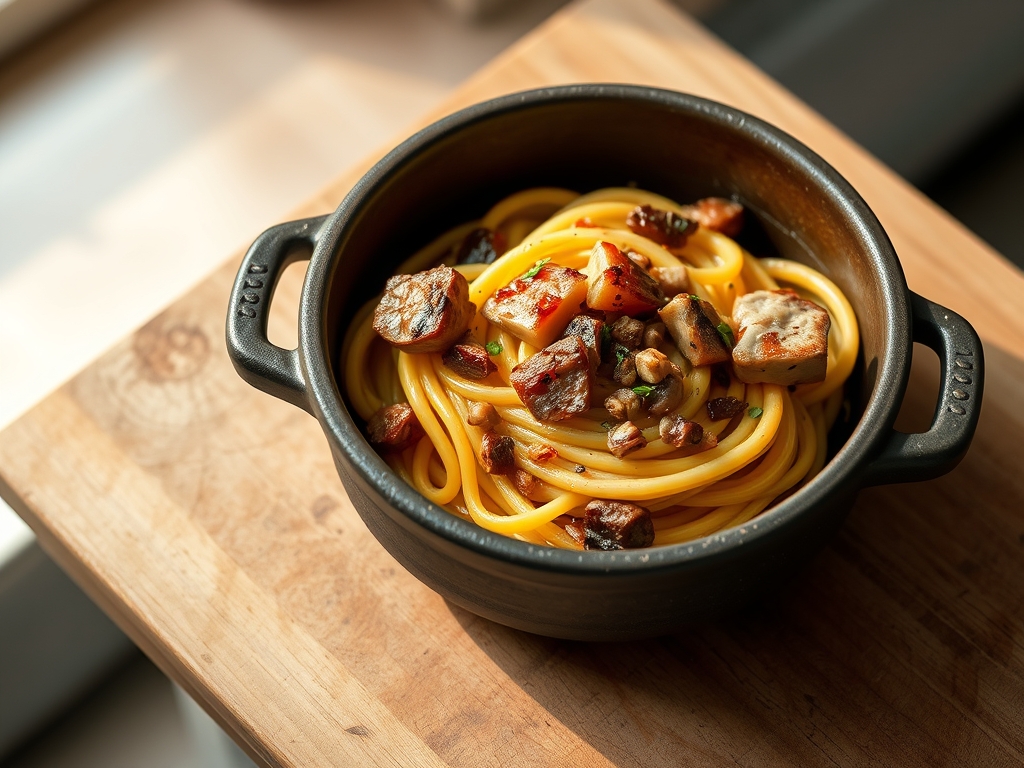
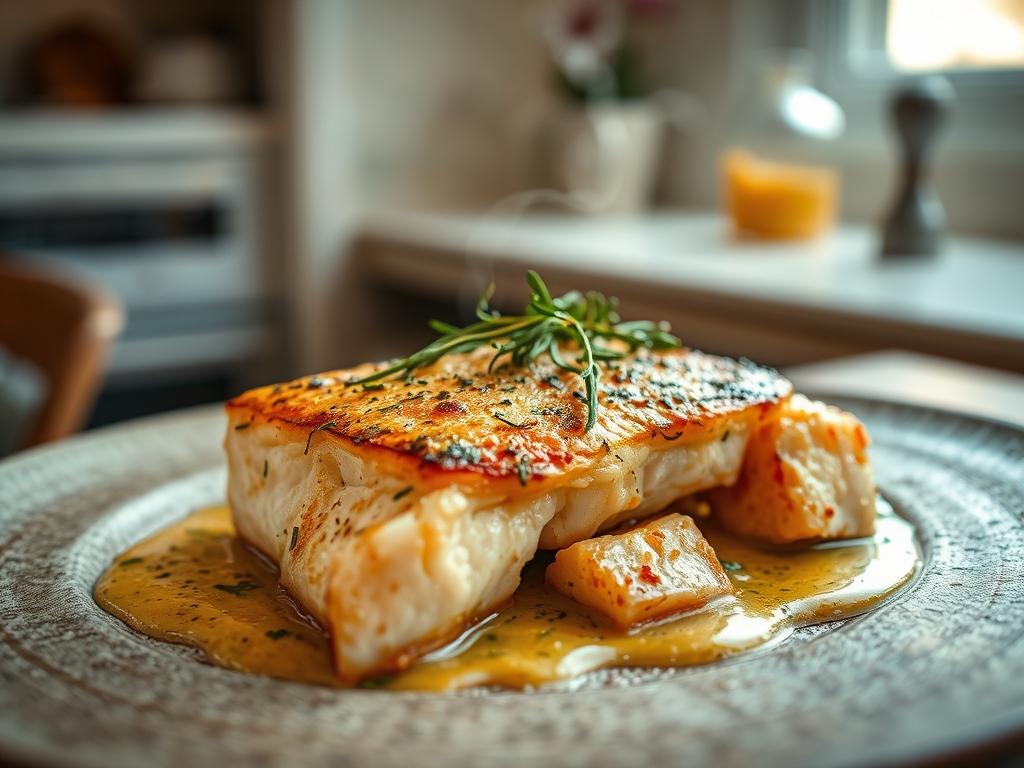
Listen to the sound of salt. It is not a silence; it is a structural roar. When you handle a slab of authentic Portuguese Bacalhau, you are not merely touching fish; you are interacting with a centuries old preservation technology that transformed the Atlantic into a global pantry. This is the infrastructure of flavor. The cod arrives desiccated and stiff as a board; it is a saline monolith that demands a total molecular reset. To cook this properly, you must first master the art of rehydration. We are talking about an osmotic exchange where salt exits and life returns. Once that fish is plump and translucent, we introduce it to a high heat environment where the Maillard reaction can take hold. Imagine the scent of garlic infused olive oil hitting the pan, the sharp, piquant aroma of olives, and the golden crust of potatoes. This is a high energy culinary audit of the world's most resilient protein. We are moving beyond mere sustenance into the realm of architectural plate design.
THE DATA MATRIX
| Metric | Specification |
|---|---|
| Prep Time | 48 Hours (Rehydration Phase) |
| Execution Time | 45 Minutes |
| Yield | 4 Servings |
| Complexity (1-10) | 7 |
| Estimated Cost per Serving | $12.50 |
THE GATHERS
Ingredient Protocol:
- 800g / 1.75 lbs Salted Portuguese Bacalhau (Center cut loins preferred)
- 600g / 1.3 lbs Yukon Gold Potatoes
- 250ml / 1 cup Extra Virgin Olive Oil (High polyphenol count)
- 4 Large White Onions (Julienned)
- 6 Cloves Garlic (Smashed and peeled)
- 100g / 3.5 oz Black Olives (Stone-in for flavor integrity)
- 4 Large Eggs (Room temperature)
- 15g / 0.5 oz Fresh Flat-leaf Parsley (Fine chiffonade)
- 5g / 1 tsp Smoked Paprika (Pimenton de la Vera)
Section A: Ingredient Quality Audit:
If your cod smells excessively "fishy" rather than "briny" before soaking, the lipids have oxidized. You cannot fix rancidity, but you can mitigate mild over-salting by adding a tablespoon of sugar to the final soaking water to balance the palate. If your potatoes are waxy rather than starchy, they will not absorb the viscous olive oil emulsion. In this case, par-boil them in heavily salted water to force some surface porosity. If your olive oil lacks that peppery bite, infuse it manually by heating it to 65 degrees Celsius with a pinch of red pepper flakes before starting the primary cook.
THE MASTERCLASS
1. The Osmotic Reset
Submerge the salt cod in a large basin of cold water. Place this in the refrigerator for 48 hours; change the water every 8 hours without fail. Use a digital scale to weigh down the fish if it floats, ensuring total immersion.
Pro Tip: This is not just about removing salt; it is about re-tensioning the muscle fibers. Cold water prevents bacterial growth while allowing the proteins to swell and regain their flaked texture.
2. The Poaching Infrastructure
Place the rehydrated cod in a saucier and cover with fresh water or milk. Bring to a gentle simmer, never a rolling boil. Cook for 8 to 10 minutes until the flakes begin to separate under light pressure.
Pro Tip: Boiling toughens the collagen. By simmering, you gently render any remaining connective tissue, ensuring the fish remains succulent rather than rubbery.
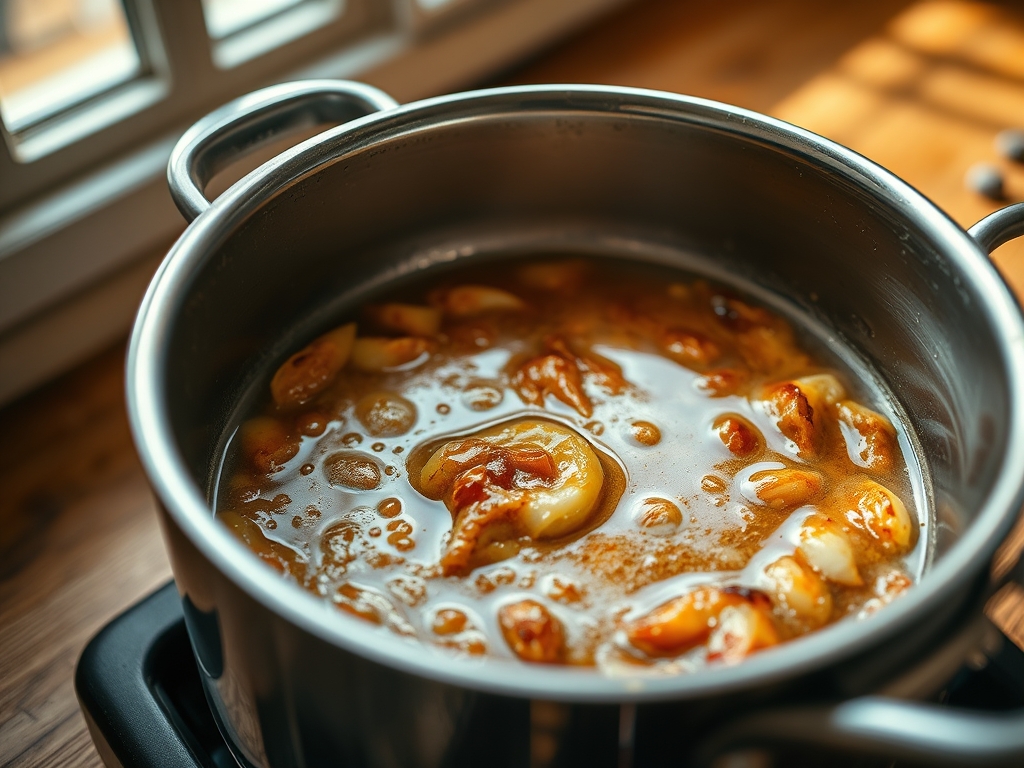
3. The Aromatics Foundation
While the fish cools, heat half the olive oil in a heavy bottomed skillet. Add the julienned onions and garlic. Sauté on medium-low heat until they are translucent and jammy. Do not brown them yet.
Pro Tip: Use a bench scraper to transfer your onions cleanly from the board to the pan. Slow cooking the onions creates a sweet contrast to the salt-forward profile of the fish.
4. The Golden Component
Slice your potatoes into rounds and fry them in the remaining olive oil until the edges are crisp and the centers are soft. Drain them on a wire rack to maintain structural integrity.
Pro Tip: Frying the potatoes separately ensures they don't turn into mush when combined with the moisture-rich onions and fish.
5. The Final Assembly
Flake the cod into large chunks, removing any stray bones. Incorporate the fish into the onion mixture. Increase the heat to medium-high to deglaze the pan with a splash of white wine if desired, then fold in the potatoes and olives.
Pro Tip: Use a wide silicone spatula to fold the ingredients. You want to maintain the distinct "lamellas" or flakes of the cod rather than shredding it into a paste.
Section B: Prep & Timing Fault-Lines:
The most common failure is the "thermal shock" of adding cold eggs or cold fish to a screaming hot pan. This causes the proteins to seize. Ensure all components are at a similar temperature before the final toss. If your timing is off and the potatoes finish too early, do not stack them; they will steam and lose their crunch. Keep them in a single layer in a 90 degree Celsius oven to maintain their "Infrastructure."
THE VISUAL SPECTRUM
Section C: Thermal & Visual Troubleshooting:
Look at the reference image. Note the deep mahogany edges on the onions and the vibrant, oily sheen on the fish. If your dish looks pale, you have not allowed the onions to caramelize sufficiently. If the fish looks "chalky" white, it is overcooked. To fix a dull appearance, aerate a bit of fresh olive oil with the parsley and drizzle it over the plate at the very last second. This creates a high-contrast visual that signals freshness. If the olives look shriveled, they were added too early; fold them in at the end to keep their plump, glossy skins intact.
THE DEEP DIVE
Macro Nutrition Profile:
Portuguese Bacalhau is a high protein powerhouse. A standard serving provides approximately 45g of protein, 18g of healthy fats (primarily monounsaturated from the olive oil), and 35g of complex carbohydrates from the potatoes. It is exceptionally high in Vitamin B12 and Selenium.
Dietary Swaps:
- Vegan: Replace cod with hearts of palm or king oyster mushrooms soaked in a seaweed brine. Use vegan butter and olive oil for the emulsion.
- Keto: Swap the potatoes for roasted cauliflower florets or daikon radish.
- GF: This dish is naturally gluten-free; just ensure your smoked paprika has no flour-based anti-caking agents.
Meal Prep & Reheating Science:
To reheat, avoid the microwave as it turns the fish into rubber. Use a small skillet with a tablespoon of water and a lid. The steam will re-moisturize the protein without damaging the molecular bonds of the fish flakes.
THE KITCHEN TABLE
How do I know if the cod is fully desalted?
Break off a tiny piece from the thickest part and taste it after 36 hours. It should be pleasantly seasoned but not aggressive. If it burns your tongue, continue soaking for another 12 hours.
Can I use frozen cod instead?
You can, but the texture will be vastly different. Salt-curing changes the cellular structure of the fish, making it firmer and more "meaty." Fresh or frozen cod will be much softer and more prone to breaking apart.
Why use stone-in olives?
Olives with the pit intact retain more of their essential oils and structural integrity during the heating process. They provide a more robust, piquant punch that cuts through the richness of the olive oil and potatoes.
What is the best way to store leftovers?
Store in an airtight glass container for up to three days. The flavors actually deepen as the garlic and onion oils continue to infuse the fish. Reheat gently on the stovetop to maintain the texture.