Listen to the sound of a kitchen operating at peak efficiency. It is not just the clatter of pans; it is the rhythmic, percussive strike of a high-carbon steel blade meeting a cutting board. We are not merely cooking a vegetable stew today. We are constructing a masterpiece of Provencal engineering known as French Ratatouille. This dish is the ultimate test of your culinary infrastructure. It demands precision, thermal management, and a deep respect for geometric uniformity. When executed correctly, the aroma of garlic and thyme will infuse every corner of your workspace, signaling a successful deployment of flavor. If you fail, you are left with a muddy, over-boiled tragedy of wasted produce. But we do not plan for failure. We plan for a vibrant, structured, and viscous medley where every slice of zucchini and eggplant maintains its individual integrity while contributing to a collective sensory assault. Prepare your station. We are moving from raw biological matter to a refined architectural marvel of the Mediterranean.
THE DATA MATRIX
| Metric | Specification |
|---|---|
| Prep Time | 45 Minutes |
| Execution Time | 60 Minutes |
| Yield | 6 Servings |
| Complexity | 7/10 |
| Estimated Cost per Serving | $2.45 USD |
THE GATHERS
Ingredient Protocol:
- 2 Large Eggplants (approx. 800g / 1.75 lbs)
- 3 Firm Zucchini (approx. 600g / 1.3 lbs)
- 4 Roma Tomatoes (approx. 500g / 1.1 lbs)
- 2 Red Bell Peppers (approx. 300g / 0.6 lbs)
- 1 Large Yellow Onion (approx. 250g / 0.5 lbs)
- 4 Garlic Cloves (approx. 20g / 0.7 oz)
- 125ml / 0.5 cup Extra Virgin Olive Oil
- 15ml / 1 tbsp Tomato Paste
- 5g / 1 tsp Fresh Thyme Leaves
- 10g / 2 tsp Kosher Salt
- 2g / 0.5 tsp Cracked Black Pepper
Section A: Ingredient Quality Audit:
Sub-par raw materials will compromise the structural integrity of your French Ratatouille. If your eggplant feels spongy or light, it is likely dehydrated and will absorb oil like a vacuum; salt it heavily for 20 minutes to render excess moisture and collapse the cell structure before cooking. If your tomatoes are pale and mealy, they lack the acidity required to balance the fat. The technical fix is to add 5ml of high-quality sherry vinegar during the final simmer to simulate that missing piquant brightness. Ensure your zucchini are firm to the touch; if they are soft, they will disintegrate into a mushy substrate rather than holding their geometric shape.
THE MASTERCLASS
1. Geometric Component Preparation
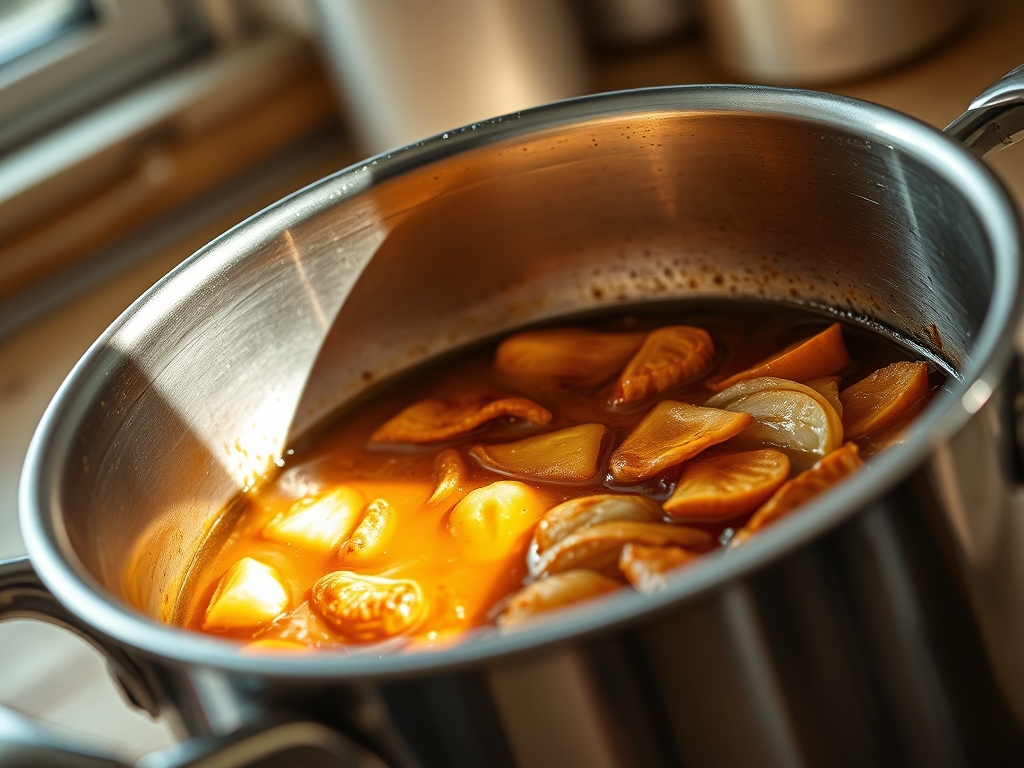
Utilize a digital scale to ensure your vegetable ratios are balanced before you begin the breakdown. Using a sharp chef knife or a mandoline, slice the eggplant, zucchini, and tomatoes into uniform 3mm rounds. Consistency is not an aesthetic choice; it is a thermal requirement for even cooking.
Pro Tip: Uniformity ensures that the heat transfer coefficient remains identical across all components. Use a bench scraper to move your organized piles of vegetables without bruising the delicate cell walls.
2. The Aromatics Foundation
In a heavy-bottomed saucier, heat 30ml of olive oil over medium heat. Add the finely diced onion and bell peppers. Sauté until the onions are translucent and the peppers begin to soften. This is the stage where you build the base layer of flavor through a gentle sweating process.
Pro Tip: Adding salt at this stage uses osmosis to pull moisture out of the cell walls, allowing the vegetables to soften in their own juices without browning too quickly.
3. Emulsifying the Base
Add the minced garlic and tomato paste to the center of the pan. Stir vigorously for two minutes until the paste turns a deep brick red. This process, known as "pincé," caramelizes the sugars in the tomato paste to provide a savory backbone. Slowly add 60ml of water or light vegetable stock to deglaze the pan.
Pro Tip: Use a whisk to aerate the sauce slightly as it thickens; this creates a more luxurious mouthfeel by incorporating tiny air bubbles into the emulsion.
4. The Structural Assembly
Spread the aromatic base evenly across the bottom of a wide, shallow baking dish. Begin layering your vegetable rounds in an overlapping shingled pattern, alternating eggplant, tomato, and zucchini. This creates a repeating geometric sequence that maximizes surface area exposure to the heat.
Pro Tip: A shallow dish increases the surface-to-volume ratio, which encourages evaporation and prevents the vegetables from steaming in their own juices.
5. Thermal Deployment
Drizzle the remaining olive oil over the top and sprinkle with fresh thyme and cracked pepper. Cover with a parchment paper circle (a cartouche) cut to the size of the dish. Bake at 190C / 375F for 40 minutes, then remove the paper and bake for another 15 minutes to achieve a slight browning on the edges.
Pro Tip: The cartouche traps just enough steam to cook the vegetables through while allowing enough evaporation to concentrate the flavors. Use an infrared thermometer to ensure the center of the dish reaches at least 90C.
Section B: Prep & Timing Fault-Lines:
Timing errors usually occur during the sauté phase. If you rush the onions, you lose the sweetness that balances the acidity of the tomatoes. If the oven temperature is too low, the vegetables will leak water and create a soup rather than a structured stew. If you find your dish is too watery 10 minutes before the end of the timer, increase the heat to 215C and use a turkey baster to remove excess liquid from the corners of the dish.
THE VISUAL SPECTRUM
Section C: Thermal & Visual Troubleshooting:
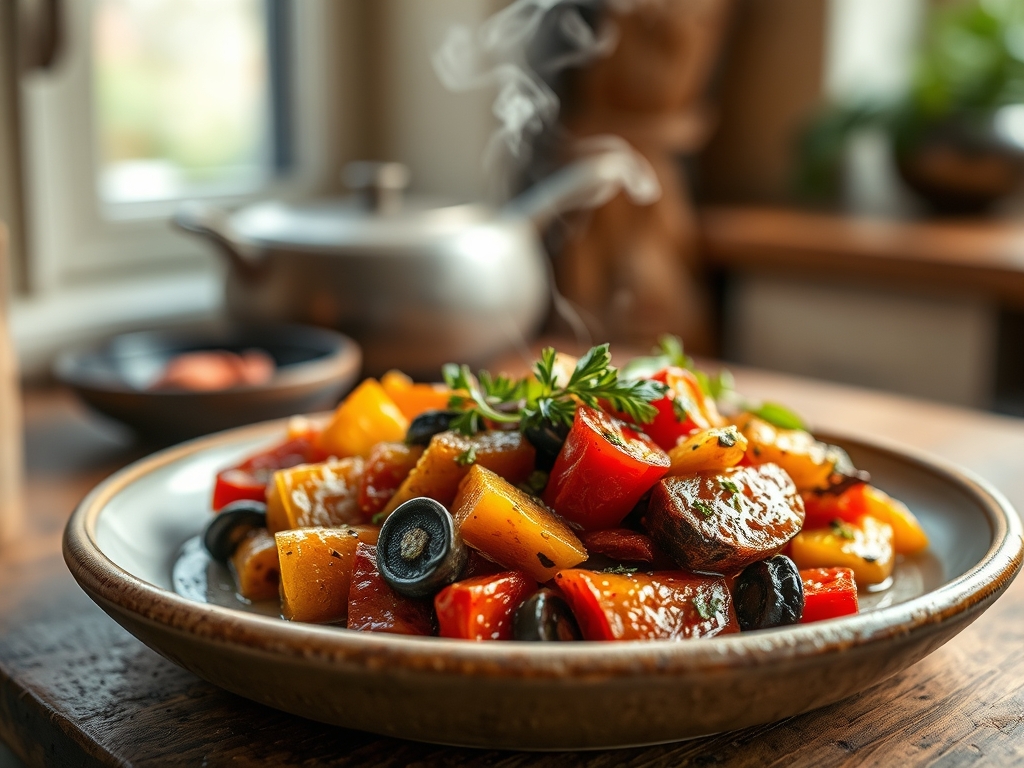
Referencing the Masterclass photo, your French Ratatouille should exhibit distinct, vibrant layers with no signs of "graying" or oxidative browning. If your eggplant looks dull or gray, it was likely under-salted or exposed to oxygen for too long before cooking. If the zucchini appears translucent and weeping, the thermal application was too slow. A perfect dish shows a slight caramelization on the edges of the vegetables while the sauce beneath remains a bright, glossy red. If the colors seem muted, a final drizzle of raw, cold-pressed olive oil just before serving will provide a refractive sheen that makes the colors pop.
THE DEEP DIVE
Macro Nutrition Profile:
A standard serving of this French Ratatouille is a nutritional powerhouse. It is naturally low in calories (approx. 180 kcal per serving) but exceptionally high in dietary fiber and micronutrients like Vitamin A, Vitamin C, and Potassium. The healthy fats from the olive oil facilitate the absorption of fat-soluble vitamins found in the peppers and tomatoes.
Dietary Swaps:
- Vegan: Naturally compliant; no modifications needed.
- Keto: Ensure the tomato paste is sugar-free and limit the amount of onion used to reduce the net carb count.
- GF: Naturally gluten-free; ensure no cross-contamination if serving with bread on the side.
Meal Prep & Reheating Science:
The molecular structure of French Ratatouille actually improves after 24 hours. As the dish cools, the pectin in the vegetables sets and the flavors continue to infuse into one another. When reheating, avoid the microwave, which causes uneven localized heating and can turn the zucchini to mush. Instead, use a low oven (150C) or a gentle simmer in a covered pan to maintain the structural integrity of the vegetable rounds.
THE KITCHEN TABLE
Why is my Ratatouille soggy?
Sogginess is usually caused by overcrowding the pan or failing to salt the eggplant. Excess moisture must be evaporated during the roasting process. Use a wider dish or increase the temperature to ensure the liquid reduces into a thick sauce.
Can I use canned tomatoes?
Yes; however, you must drain them thoroughly. Canned San Marzano tomatoes provide excellent acidity and a deep red color, but the excess canning liquid will compromise the viscous texture of your base sauce if not managed correctly.
What is the best way to cut the vegetables?
A mandoline is the gold standard for French Ratatouille. It ensures every slice is the exact same thickness. This precision allows for a beautiful visual presentation and guarantees that every vegetable reaches the ideal texture at the same time.
How do I prevent the garlic from burning?
Always add garlic after the onions and peppers have already released their moisture. The water from the other vegetables acts as a thermal buffer, preventing the garlic from reaching the high temperatures that cause bitter, burnt notes.