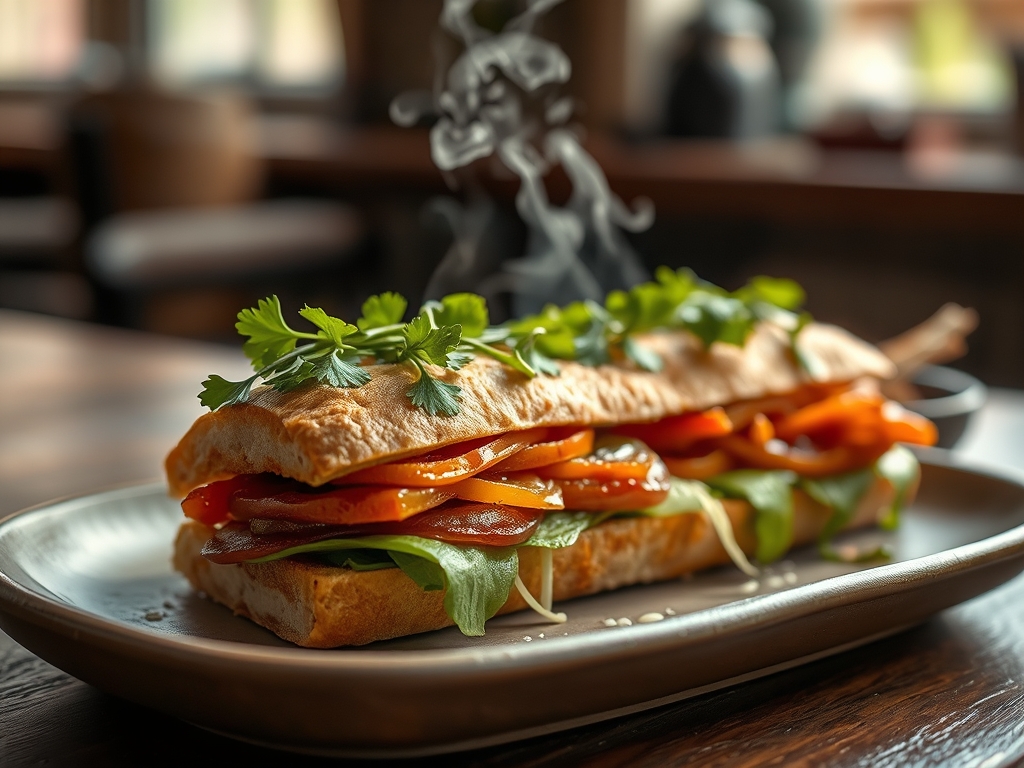
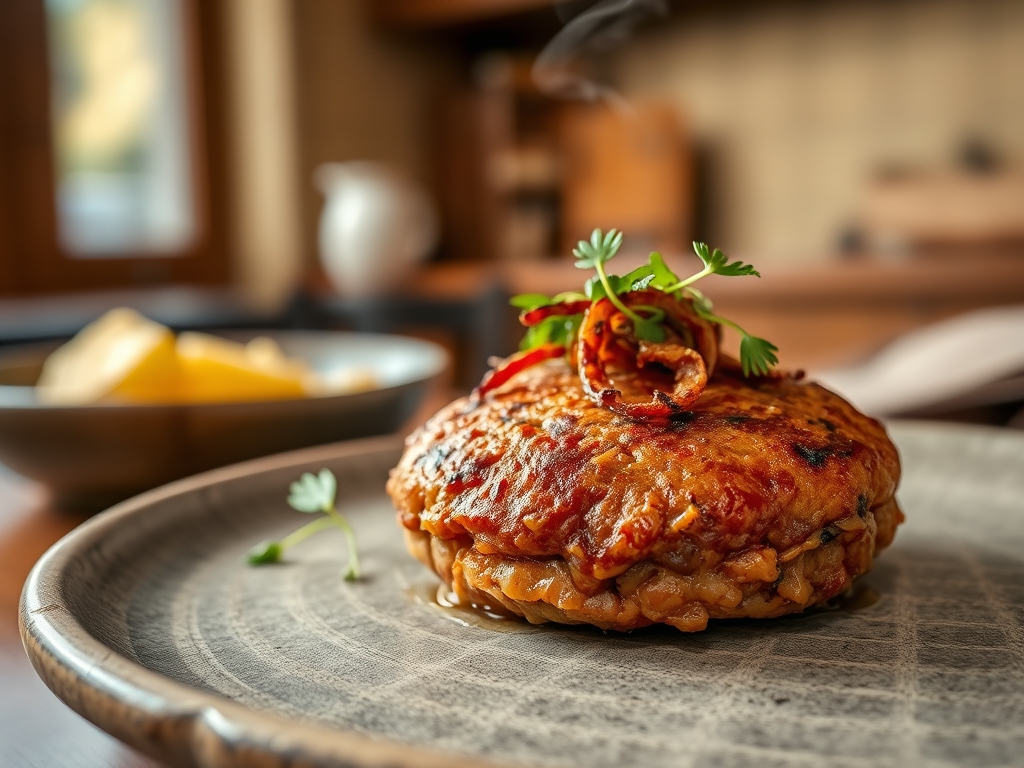
Listen to that sound. It is the distinct, percussive snap of a thousand microscopic fat layers shattering simultaneously. We are not just talking about a snack; we are dissecting the architectural marvel known as the Jamaican Beef Patty. This is the gold standard of portable savory engineering. The exterior must be a vibrant, turmeric-stained fortress of shortcrust flake stability, while the interior houses a molten, piquant core of seasoned beef. When you bite in, the structural integrity should hold just long enough to deliver a payload of scotch bonnet heat and aromatic allspice before dissolving into a buttery finish. If your crust is tough or your filling is weeping moisture like a broken radiator, your culinary infrastructure has failed. We are here to audit the process, optimize the ratios, and ensure that every bite delivers a high-velocity flavor profile. From the specific hydration levels of the dough to the precise viscosity of the meat slurry, we are stripping this Caribbean icon down to its molecular foundations. Let us get to work.
THE DATA MATRIX
| Metric | Specification |
|---|---|
| Prep Time | 45 Minutes |
| Execution Time | 30 Minutes |
| Yield | 10 to 12 Patties |
| Complexity (1-10) | 7 |
| Estimated Cost per Serving | $1.25 |
THE GATHERS
Ingredient Protocol:
For the Shortcrust Infrastructure:
- 500g / 4 cups All-purpose flour
- 250g / 1 cup Unsalted butter (frozen and cubed)
- 10g / 2 tsp Turmeric powder (for pigment and earthiness)
- 5g / 1 tsp Curry powder
- 5g / 1 tsp Fine sea salt
- 180ml / 0.75 cup Ice-cold water
For the Piquant Beef Core:
- 500g / 1.1 lbs Ground beef (80/20 lean-to-fat ratio)
- 1 large Yellow onion (finely minced)
- 3 stalks Green onion (thinly sliced)
- 2 cloves Garlic (pulverized)
- 1 Scotch bonnet pepper (seeded and minced)
- 5g / 1 tsp Dried thyme
- 5g / 1 tsp Ground allspice
- 15ml / 1 tbsp Soy sauce
- 120ml / 0.5 cup Beef stock
- 30g / 0.25 cup Breadcrumbs (to bind the viscous filling)
Section A: Ingredient Quality Audit:
The primary failure point in Jamaican Beef Patty construction is the fat temperature. If your butter is soft, you are not making a flake; you are making a cookie. If you find your butter melting during the "rubbing in" phase, stop immediately and place the entire bowl in the freezer for fifteen minutes. Another common audit failure is the use of generic "hot peppers" instead of authentic Scotch bonnets. If you cannot find them, Habaneros are an acceptable substitute, but you must increase the allspice to compensate for the loss of the specific fruity undertone. Finally, if your ground beef is too lean (90/10 or higher), the filling will be dry and granular. To fix this, render a tablespoon of beef tallow or lard into the pan before browning the meat to ensure a luscious mouthfeel.
THE MASTERCLASS
1. The Cryogenic Fat Integration
Sift your flour, turmeric, curry powder, and salt into a large chilled bowl. Using a bench scraper, cut the frozen butter into the flour until the mixture resembles coarse crumbs with some pea-sized chunks remaining. Do not overwork it with your hands; the heat from your palms is the enemy of flake stability.
Pro Tip: Use a digital scale to ensure your flour-to-fat ratio is exactly 2:1. This precision ensures that as the water in the butter evaporates in the oven, it creates steam pockets that aerate the crust into distinct layers.
2. Hydration and Cold-Setting
Slowly drizzle the ice water into the flour mixture, tossing with a fork until a shaggy dough forms. Turn it onto a cold surface and use your bench scraper to fold the dough over itself three times. Wrap in plastic and refrigerate for at least one hour.
Pro Tip: This "folding" technique creates rudimentary lamination. By resting the dough, you allow the gluten to relax and the moisture to distribute evenly, preventing the crust from shrinking during the bake.
3. The Aromatic Base and Browning
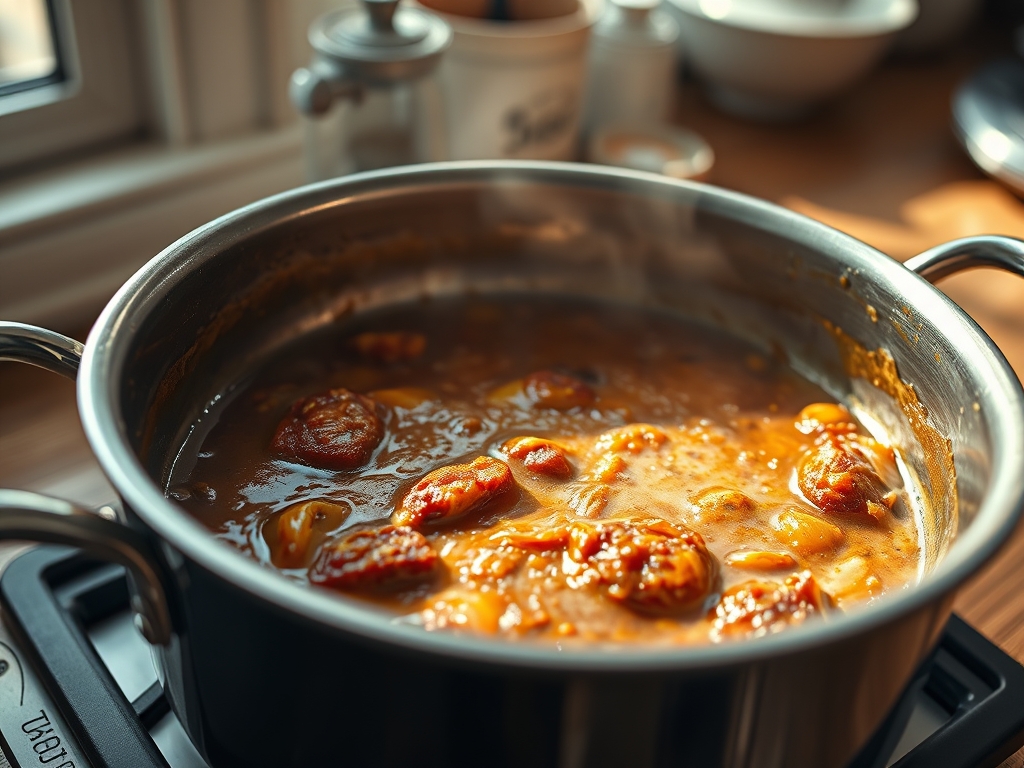
In a heavy-bottomed saucier, sauté the onions, green onions, garlic, and Scotch bonnet until translucent. Add the beef, breaking it into the smallest possible particles. We are looking for a uniform texture, not chunky boulders.
Pro Tip: Use a stiff whisk to break up the meat as it browns. This increases the surface area for the Maillard reaction, maximizing the savory depth of the filling.
4. Infusion and Viscosity Control
Add the thyme, allspice, soy sauce, and beef stock. Simmer until the liquid reduces by half, then stir in the breadcrumbs. The filling should be viscous and thick, not runny. It must hold its shape when cooled.
Pro Tip: Let the filling cool completely before assembly. If you put hot filling on cold dough, the fat will melt instantly, destroying your structural integrity and resulting in a "soggy bottom."
5. The Structural Assembly
Roll the dough to 3mm thickness and cut into 15cm circles. Place two tablespoons of filling on one half, fold over, and crimp the edges tightly with a fork. Brush with a light egg wash or a bit of water to seal.
Pro Tip: Use a bench scraper to lift the circles off the table to avoid stretching the dough. A uniform thickness ensures that the bake time is consistent across the entire batch.
6. The Thermal Deployment
Bake at 200C (400F) for 25 to 30 minutes. The patties should be firm to the touch and the edges should show a slight darkening of the golden-yellow hue.
Pro Tip: Use a perforated baking mat or a wire rack set inside a sheet pan. This allows hot air to circulate under the patty, ensuring the base is just as crisp as the decorative top.
Section B: Prep & Timing Fault-Lines:
The most common timing error occurs during the dough-rolling phase. If the kitchen is too warm, the dough will become "tacky." If this happens, slide the entire sheet of rolled dough into the fridge for ten minutes before cutting your circles. Another fault-line is the "fill-and-chill" oversight. For the best results, once the patties are assembled, chill them again for fifteen minutes before they hit the oven. This thermal shock (going from cold to hot) is what triggers the explosive expansion of the pastry layers.
THE VISUAL SPECTRUM
Section C: Thermal & Visual Troubleshooting:
Referencing the Masterclass photo, your patties should exhibit a uniform, matte golden-orange color. If you see dark brown spots, your oven has "hot spots" and you need to rotate the tray halfway through. If the crust looks dull and "dusty" rather than crisp, you likely under-hydrated the dough or used too much bench flour during rolling. A "weeping" patty, where juice escapes the crimped edge, indicates either a failure to seal the edges properly or a filling that was too watery. The "crimp" should be deep and defined; if it disappears during baking, your dough was too warm when it entered the oven.
THE DEEP DIVE
Macro Nutrition Profile:
A standard Jamaican Beef Patty contains approximately 350 calories. It is high in carbohydrates (crust) and protein (beef), with a significant fat content from the shortcrust. To optimize the profile, ensure you are using high-quality grass-fed beef to increase the Omega-3 fatty acid ratio.
Dietary Swaps:
- Vegan: Replace the beef with a mixture of minced brown lentils and finely chopped walnuts. Substitute the butter with a high-quality vegan shortening or chilled coconut oil.
- Keto: Use an almond flour and mozzarella-based "fathead" dough, though you will lose the traditional flake stability.
- GF: Utilize a 1-to-1 gluten-free flour blend containing xanthan gum to provide the necessary elasticity for folding.
Meal Prep & Reheating Science:
These patties are built for longevity. To maintain the molecular structure, freeze them raw on a tray, then transfer to a vacuum-sealed bag. To reheat a cooked patty, avoid the microwave at all costs; it turns the fat into a limp, greasy mess. Use an air fryer or toaster oven at 175C (350F) for 8 minutes to re-crisp the pastry and infuse heat back into the core.
THE KITCHEN TABLE
Why is my crust tough instead of flaky?
You likely over-mixed the dough, developing too much gluten. Or, the butter was too warm. Keep everything "cryogenic" and handle the dough as little as possible to maintain those distinct, fragile fat pockets.
Can I use ground turkey instead of beef?
Yes, but turkey lacks the fat content of beef. You must infuse the mixture with a tablespoon of oil or butter and perhaps a dash of Worcestershire sauce to mimic the deep, savory "umami" profile of traditional beef.
How do I get that bright yellow color?
The secret is turmeric and a touch of curry powder in the dough. Some commercial bakeries use food coloring, but high-quality turmeric provides both the iconic hue and a subtle, earthy flavor that defines the dish.
My filling is falling out of the patty!
This is a viscosity issue. Ensure you use enough breadcrumbs to bind the juices. The filling should be a thick paste when cold, not a loose sauce. Also, ensure your crimp is firm and pressurized.