The scent hits you before the smoke does. It is a heavy, primal perfume of rendered lipids and scorched sugars drifting through the humid air of a Manila evening. We are talking about the undisputed heavyweight champion of Filipino street food: Philippine Isaw. This is not just a snack; it is an exercise in structural engineering. To the uninitiated, it is a humble skewer of pig or chicken intestines. To the culinary auditor, it is a complex matrix of collagen, elastic fibers, and visceral fat that requires precise thermal management to achieve the perfect equilibrium between a snappy exterior and a tender, melt-in-the-mouth interior. If you fail the prep, you are left with a rubbery, offensive mess. If you master the infrastructure, you create a masterpiece of char and piquant contrast. We are looking for that specific moment where the Maillard reaction meets the smoky infusion of charcoal, resulting in a texture that defies its humble origins. Let us audit the process from the inside out.
THE DATA MATRIX
| Metric | Value |
|---|---|
| Prep Time | 90 Minutes (Includes Cleaning and Boiling) |
| Execution Time | 15 Minutes |
| Yield | 12 to 15 Skewers |
| Complexity (1-10) | 7 (High stakes on sanitation and texture) |
| Estimated Cost per Serving | $0.85 USD |
THE GATHERS
Ingredient Protocol:
- 1 kg / 2.2 lbs Chicken or Pork Intestines (cleaned thoroughly)
- 250 ml / 1 cup Cane Vinegar (for cleaning and marinade)
- 60 ml / 0.25 cup Soy Sauce
- 50 g / 1.75 oz Brown Sugar
- 15 g / 0.5 oz Black Peppercorns (cracked)
- 5 cloves / 25 g Garlic (crushed)
- 2 liters / 8.5 cups Water (for parboiling)
- 30 ml / 2 tbsp Calamansi Juice or Lemon Juice
- 10 g / 2 tsp Annatto Oil (for basting)
Section A: Ingredient Quality Audit:
The primary failure point in Philippine Isaw is the "funk" factor. If the raw material smells overly metallic or sulfurous after the initial rinse, your sanitation protocol has failed. Technical Fix: Perform a triple-wash using a high-acid solution. Submerge the intestines in a mixture of salt and flour; the flour acts as an abrasive and absorbent agent to strip away excess mucus. If the intestines appear translucent rather than opaque white or light pink, they may be over-processed or old. Ensure you are sourcing from a high-turnover butcher to guarantee the structural integrity of the intestinal walls.
THE MASTERCLASS
1. The Sanitation Scrub and Rinse
Thoroughly clean the intestines by running water through the interior. Use a small funnel if necessary to ensure the internal canal is purged of all debris. Turn them inside out using a thin dowel if you are working with larger pork intestines.
Pro Tip: Use a bench scraper on your cutting board to gently press out any remaining moisture or impurities before the first boil. This mechanical pressure ensures a cleaner flavor profile by removing trapped lipids that can turn rancid during the high-heat grilling phase.
2. The Acidic Parboil
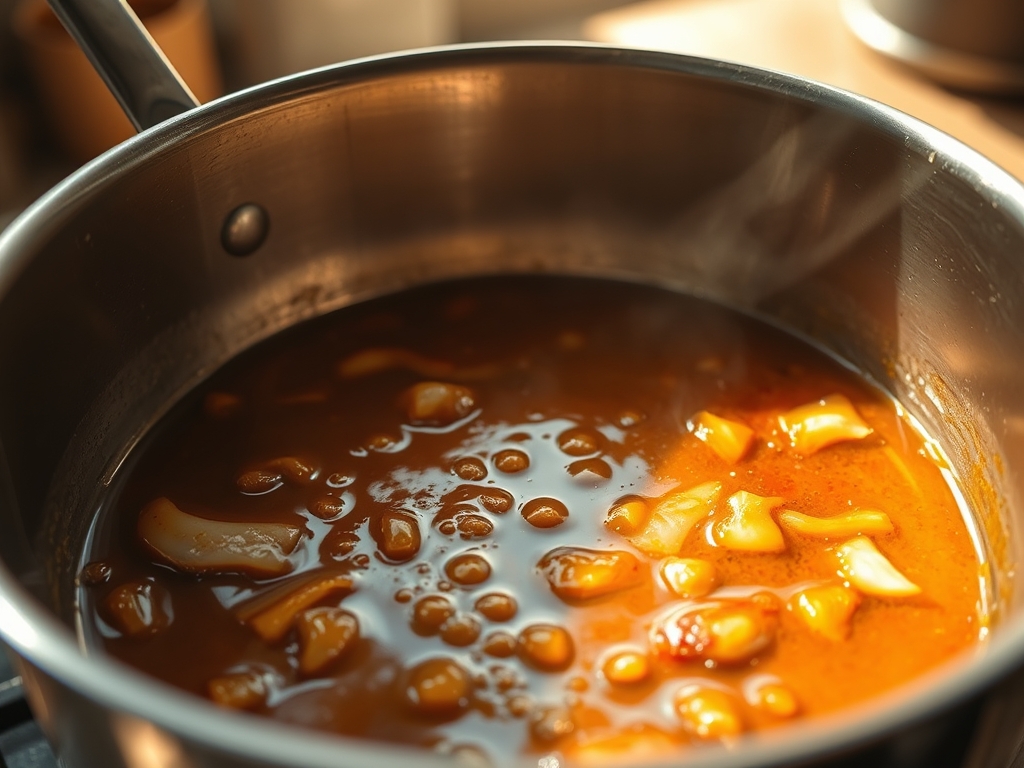
Place the cleaned intestines in a large saucier or stockpot. Add half of the vinegar, garlic, and peppercorns. Bring to a simmer and cook for 30 to 45 minutes until tender but not falling apart.
Pro Tip: Use a digital scale to measure your salt and vinegar ratios precisely. The acid in the vinegar serves a dual purpose: it denatures the tough connective proteins and acts as a microbial kill-step. Over-boiling will lead to a mushy texture that won't hold on the skewer; aim for an "al dente" snap.
3. The Infusion Marinade
Drain the intestines and let them cool. Cut into 3-inch segments and thread them onto bamboo skewers in a zigzag pattern. Submerge the skewers in a mixture of soy sauce, calamansi, and the remaining garlic.
Pro Tip: This is where you infuse deep flavor into the tissue. Allow the skewers to marinate for at least 30 minutes. The sugar in the marinade is essential for the upcoming Maillard reaction; it provides the fuel for the browning process that creates the signature charred crust.
4. The Thermal Execution
Prepare a charcoal grill until the embers are glowing white-hot. Brush the skewers with annatto oil to provide a vibrant orange hue and to prevent sticking. Grill for 3 to 5 minutes per side, basting frequently.
Pro Tip: Use an infrared thermometer to check the grill surface temperature. You want at least 450 degrees Fahrenheit. The high heat is necessary to render the small amounts of fat quickly while crisping the outer membrane before the interior dries out.
Section B: Prep & Timing Fault-Lines:
The most common error is "The Rubber Band Effect." This happens when the intestines are grilled from a raw state without a sufficient parboil. Without the pre-cook, the collagen fibers contract violently under high heat, turning the snack into an inedible tire. Another fault-line is temperature fluctuation. If your grill is too cool, the intestines will steam in their own juices rather than sear, resulting in a pale, viscous texture that lacks the necessary smoky crunch.
THE VISUAL SPECTRUM
Section C: Thermal & Visual Troubleshooting:
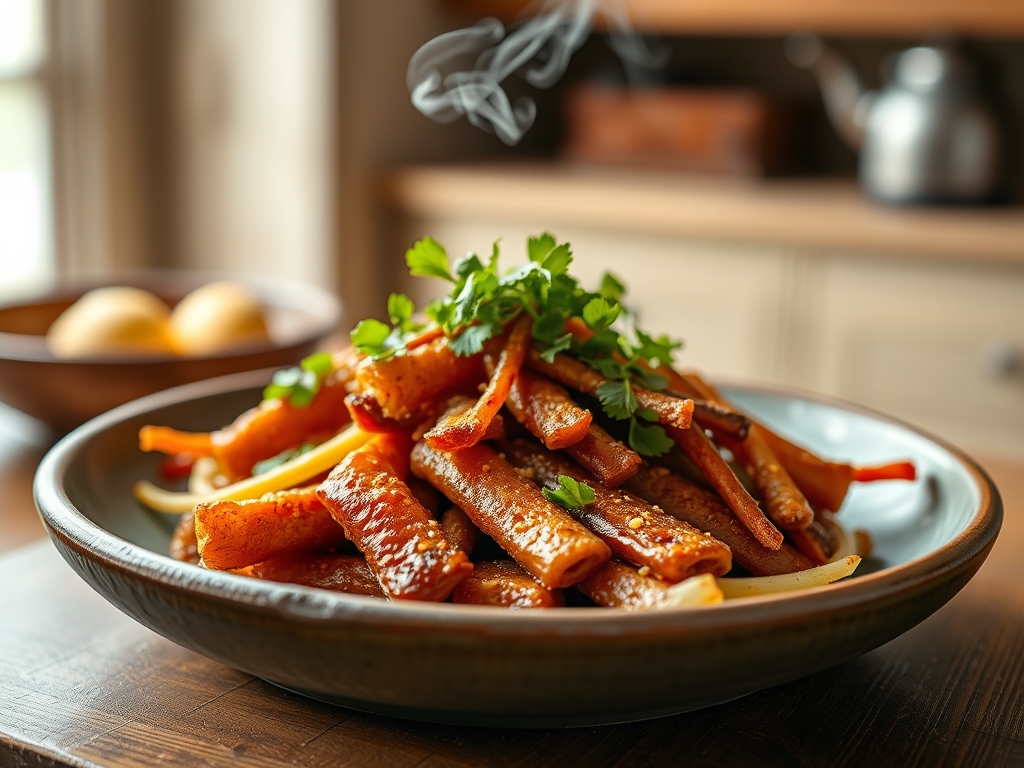
Look at the reference photo above. You should see a distinct "leopard spotting" of char against a deep, glossy amber background. If your Isaw looks dull or matte, you have neglected the basting process; the oil is required to aerate the heat across the surface and provide a reflective sheen. If the edges are burnt but the center is pale, your skewers are packed too tightly. Ensure there is a small gap between each fold of the intestine to allow the heat to circulate. The "snap" should be visible; the intestine should look plump, not shriveled. A shriveled appearance indicates overcooking and a total loss of internal moisture.
THE DEEP DIVE
Macro Nutrition Profile:
Philippine Isaw is high in protein and moderate in fats, though the nutritional value is heavily influenced by the cleaning process and the marinade. A typical serving of three skewers contains approximately 150 calories, 12g of protein, and 8g of fat. It is a dense source of iron and B-vitamins, typical of organ meats.
Dietary Swaps:
- Vegan: Substitute the intestines with thick ribbons of King Oyster mushrooms or seitan twists. Use a liquid smoke and mushroom-based soy sauce to replicate the depth of flavor.
- Keto: Eliminate the brown sugar from the marinade. Use erythritol or simply rely on the natural caramelization of the fats.
- GF: Ensure the soy sauce is replaced with Tamari or liquid aminos to keep the profile gluten-free.
Meal Prep & Reheating Science:
To maintain the molecular structure when reheating, avoid the microwave. The microwave causes water molecules to vibrate violently, which turns the collagen back into a rubbery state. Instead, use an air fryer at 375 degrees Fahrenheit for 4 minutes. This flash-heats the exterior and re-activates the rendered fats, restoring the original "snap" of the street-side experience.
THE KITCHEN TABLE
Why is my Isaw bitter?
Bitterness usually stems from improper cleaning of the bile ducts or over-charring the marinade. Ensure a thorough internal rinse and keep the sugar content balanced; if the sugar burns too fast, it turns acrid and masks the savory notes.
Can I bake these instead of grilling?
You can use a convection oven at high heat, but you will lose the essential smoke infusion. To compensate, add a drop of liquid smoke to your marinade and finish the skewers under a high broiler for two minutes.
How long can I store marinated Isaw?
Raw, marinated intestines should be grilled within 24 hours for optimal texture. Once grilled, they can be refrigerated for up to three days. The high salt and acid content in the marinade provides a brief preservative window.
What is the best dipping sauce?
A heavy-acid dip is mandatory. Use cane vinegar infused with bird's eye chilies, smashed garlic, and red onions. The acid cuts through the richness of the rendered fat and cleanses the palate between bites.