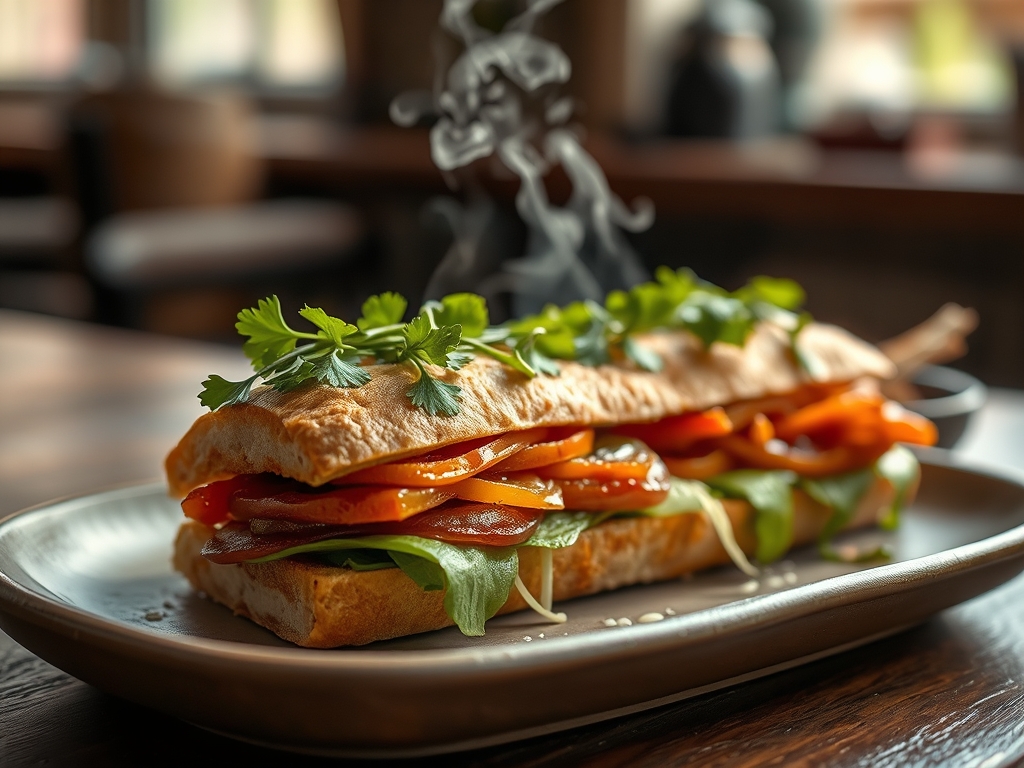
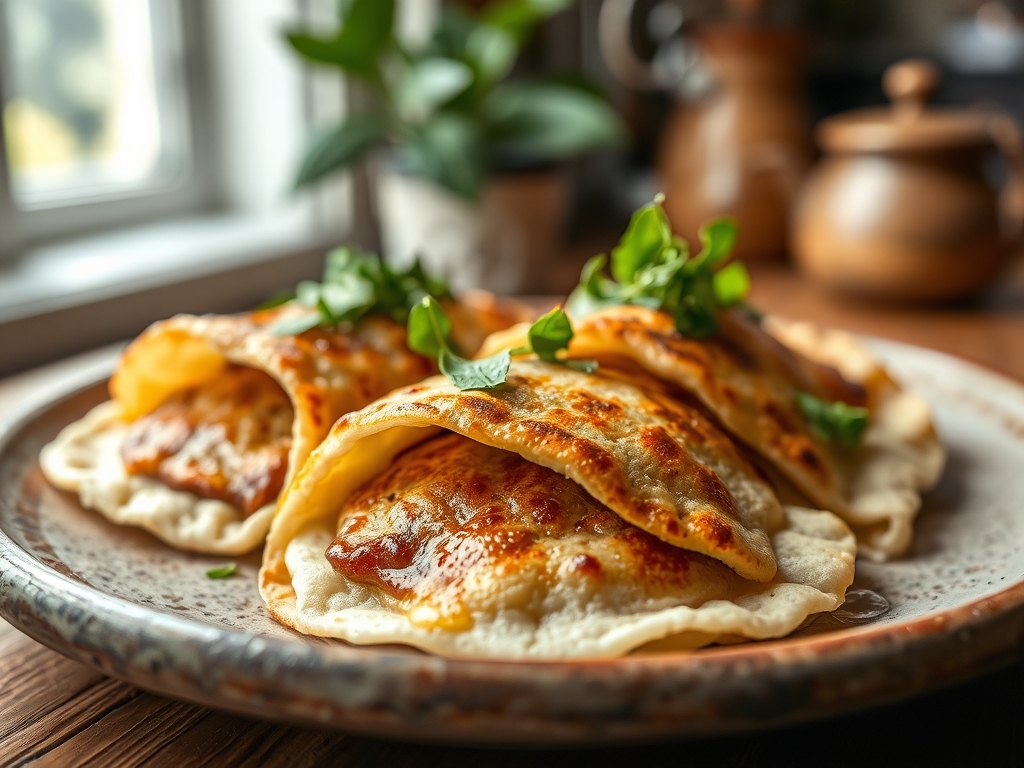
Listen to the slap. That rhythmic, percussive cadence echoing from a street-side griddle is not just noise; it is the sound of structural engineering in real time. We are discussing Salvadoran Pupusas, the undisputed heavyweights of the stuffed-masa category. This is not a mere snack. It is a pressurized vessel of nixtamalized corn, molten cheese, and savory fillings, all fighting to escape their golden, griddle-charred prison. When executed with precision, the pupusa represents a perfect thermal equilibrium. The exterior must achieve a crisp, shattered-glass texture via the Maillard reaction, while the interior remains a soft, steaming cloud of hydrated dough. Too thick, and you are eating a bland brick of corn. Too thin, and the structural integrity fails, leading to a catastrophic blowout of hot cheese. This audit is designed to eliminate the guesswork. We are moving beyond the "pinch of this" mentality and entering the realm of culinary physics. If you want a soggy, limp disk, go elsewhere. If you want a masterpiece of Salvadoran engineering, calibrate your scales.
THE DATA MATRIX
| Metric | Specification |
|---|---|
| Prep Time | 45 Minutes |
| Execution Time | 20 Minutes |
| Yield | 8-10 Units |
| Complexity (1-10) | 7 (Requires tactile calibration) |
| Estimated Cost per Serving | $1.25 USD |
THE GATHERS
Ingredient Protocol:
The Masa Base:
- 500g / 4 cups Masa Harina (Instant corn masa flour)
- 720ml / 3 cups Warm Water (Filtered, 110F/43C)
- 5g / 1 tsp Fine Sea Salt
The Core Payload:
- 250g / 2 cups Quesillo or Low-Moisture Mozzarella (Shredded)
- 250g / 1 cup Chicharron (Pork paste) or Refried Black Beans
- 15ml / 1 tbsp Neutral Oil (For hand lubrication)
The Curtido (Acidic Counterpart):
- 450g / 1/2 head Green Cabbage (Finely shredded)
- 120ml / 1/2 cup Apple Cider Vinegar
- 5g / 1 tsp Dried Oregano
Section A: Ingredient Quality Audit:
The primary failure point in the ingredient phase is moisture migration. If your bean filling is too viscous or watery, it will steam inside the dough, causing the masa to delaminate and tear. To fix this, you must render any excess fat from your pork or cook your beans until they reach a paste-like consistency that holds its shape on a spoon. If using sub-par masa harina that feels gritty, allow the dough to autolyse for an extra fifteen minutes. This ensures the corn particles fully hydrate, preventing a "sandy" mouthfeel. For the cheese, avoid fresh buffalo mozzarella; the water content is a recipe for a structural meltdown. Stick to low-moisture solids that provide the necessary elasticity without the flood.
THE MASTERCLASS
Step-by-Step Execution:
1. Hydrate the Matrix
Combine the masa harina and salt in a large stainless steel mixing bowl. Gradually incorporate the warm water while kneading by hand. You are looking for a texture similar to play-dough; it should be moist but not sticky.
Pro Tip: Use a digital scale for the water. Even a 5% variance in hydration can change the dough from "pliable" to "unworkable." The warmth of the water helps to aerate the starches, making the final product lighter.
2. Prepare the Payload
Ensure your fillings are cold or at room temperature. If using pork, pulse it in a food processor until it reaches a spreadable consistency. Mix the cheese and filling together or keep them separate for layering.
Pro Tip: Use a saucier to reduce your bean filling until it is thick enough to stand a spoon upright. Excess liquid is the enemy of the pupusa's structural hull.
3. The Oil Lubrication
Lightly coat your palms with neutral oil. This prevents the masa from adhering to your skin and allows for a smoother finish on the exterior of the disk.
Pro Tip: Keep a small ramekin of oil nearby. This acts as a barrier that prevents the dough from drying out during the shaping process, ensuring a crack-free surface.
4. The Vessel Construction
Take a golf-ball-sized portion of dough (approx 60g) and roll it into a sphere. Flatten it into a small cup shape. Place a tablespoon of filling in the center, then wrap the edges of the dough over the top to seal it.
Pro Tip: Use a bench scraper to keep your workstation clean. Any dried bits of masa that get folded back into the dough will create hard, unpalatable lumps in the finished disk.
5. The Percussive Flattening
Gently clap the ball between your oiled palms to flatten it into a 1/2 inch thick disk. Work from the center outward to ensure the filling is evenly distributed to the very edges.
Pro Tip: This is where the physics of "centrifugal force" comes into play. If you press too hard in the center, you create a "donut" of filling with empty edges. Aim for a uniform thickness across the entire diameter.
6. Thermal Application
Heat a heavy cast-iron griddle or comal to medium-high (approx 400F/205C). Place the pupusas on the dry or lightly oiled surface. Cook for 4 to 5 minutes per side until dark brown spots appear.
Pro Tip: Use an infrared thermometer to check the surface temp. If the griddle is too cold, the masa will dry out before it browns. If it is too hot, the outside will char while the inside remains raw and doughy.
Section B: Prep & Timing Fault-Lines:
The most common human error is rushing the cook time. If you flip the pupusa too early, the structural proteins haven't set, and the disk will likely tear. Conversely, if you leave it too long without flipping, the cheese will overheat, expand, and erupt through the side. Watch for the "puff." When the pupusa slightly expands like a balloon, it indicates the internal steam has cooked the dough and the cheese is molten. This is your cue to remove it from the heat.
THE VISUAL SPECTRUM
Section C: Thermal & Visual Troubleshooting:
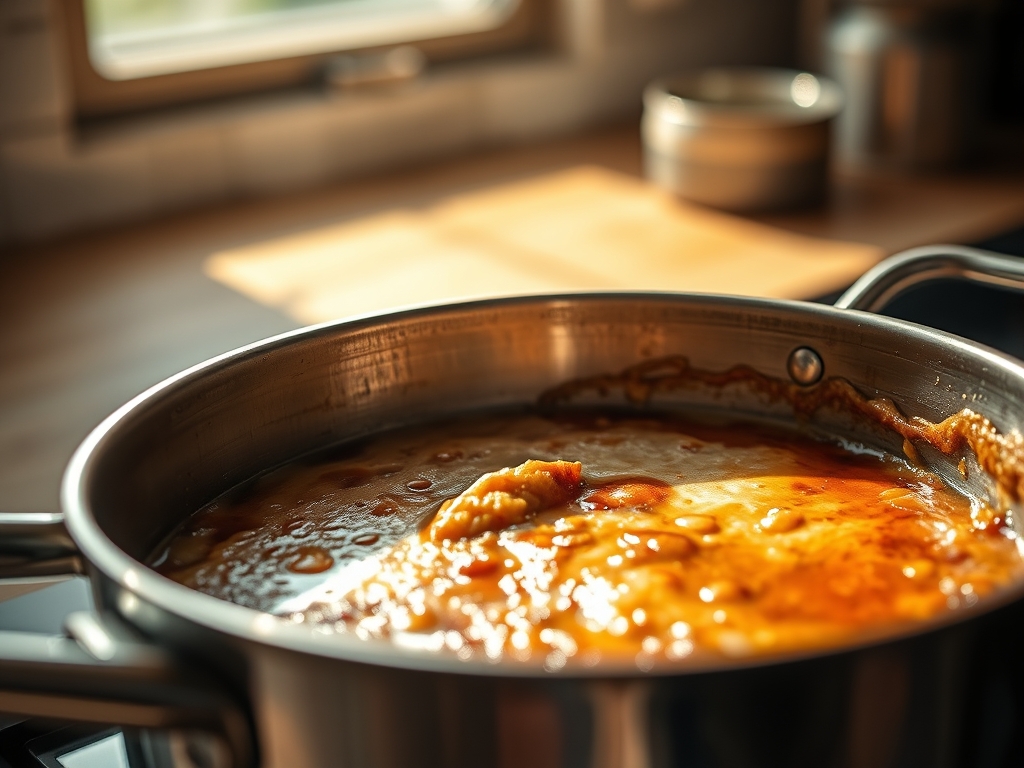
Referencing the Masterclass photo, observe the leoparding (the small, dark charred spots). This is the hallmark of a successful cook. If your pupusas are a uniform, pale yellow, your heat was too low; you have failed to trigger the Maillard reaction, resulting in a lack of depth in flavor. If the edges are cracking, your dough was under-hydrated. If you see "cheese leakage" that has caramelized on the griddle, do not panic. This is often a desired feature known as a "cheese skirt," which adds a salty, umami crunch. However, if the entire disk has collapsed, your filling-to-dough ratio was too high. Aim for a 1:1 ratio by volume for maximum stability.
THE DEEP DIVE
Macro Nutrition Profile:
A standard pupusa (revuelta style) contains approximately 250-300 calories. It is a balanced ratio of complex carbohydrates from the corn, fats from the cheese, and protein from the pork or beans. The glycemic index is moderate, providing sustained energy release.
Dietary Swaps:
- Vegan: Substitute the cheese with a cashew-based fermented "mozzarella" and use refried black beans seasoned with smoked paprika to mimic the piquant notes of chicharron.
- Keto: This is difficult given the corn base, but "almond flour masa" experiments exist. Results vary; structural integrity is often compromised.
- GF: Naturally gluten-free, provided your masa harina is certified untainted by wheat processing.
Meal Prep & Reheating Science:
To maintain the molecular structure, do not microwave. Microwaving agitates water molecules, leading to a rubbery texture. Reheat on a dry skillet over medium heat to re-crisp the exterior while gently melting the interior. They freeze exceptionally well when layered between parchment paper.
THE KITCHEN TABLE
Why are my pupusas cracking at the edges?
Your hydration levels are insufficient. The masa is thirsty. Incorporate more warm water into the dough until it feels like soft putty. Oiling your hands during the shaping process will also seal in the necessary moisture.
Can I use cornmeal instead of masa harina?
Absolutely not. Masa harina is nixtamalized (treated with lime), which breaks down the corn's hemicellulose. Standard cornmeal lacks the binding properties required to form a cohesive dough and will result in a crumbly, unworkable mess.
What is the best cheese for the ultimate pull?
Salvadoran Quesillo is the gold standard for its meltability and slight tang. If unavailable, a high-quality, low-moisture mozzarella or even a Monterey Jack provides the necessary elasticity and fat content for a successful audit.
How do I stop the filling from leaking out?
Ensure your filling is not too hot when stuffing. Cold filling is more stable. Also, ensure you are pinching the dough seal tightly before flattening. If leaks occur, embrace the "cheese skirt" on the griddle.