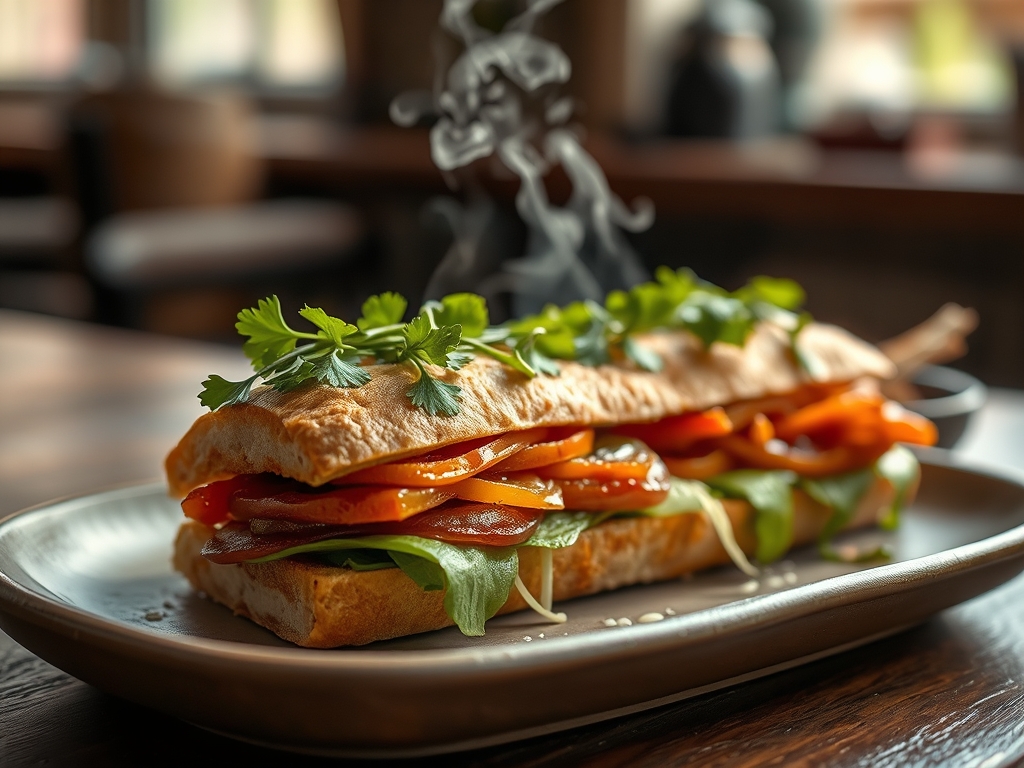
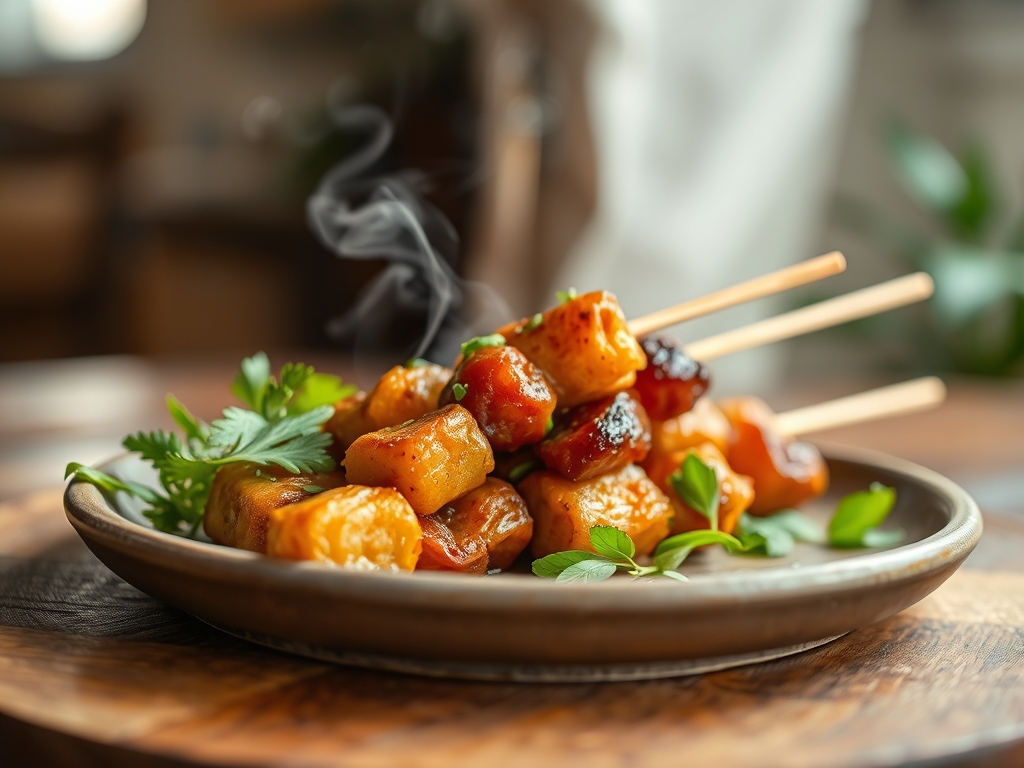
The air in a high-stakes kitchen is not merely oxygen; it is a pressurized medium of aerosolized lipids and carbonized sugars. When we discuss Indonesian Satay, we are not talking about simple street food. We are auditing a complex system of protein denaturation and Maillard-driven crust development. The scent hits you first: a piquant cloud of lemongrass and toasted peanuts colliding with the primordial roar of white-hot charcoal. This is where the audit begins. We are looking for that specific, viscous glaze that clings to the meat like a second skin, refusing to drip into the coals and vanish. The goal is a perfect equilibrium between the fatty richness of the peanut base and the sharp, acidic bite of the marinade. If your skewers lack that shimmering, mahogany finish, your infrastructure has failed. We are here to recalibrate your process, from the molecular tension of the emulsion to the precise thermal window of the grill. Strap in; we are about to turn your kitchen into a high-performance flavor laboratory.
THE DATA MATRIX
| Metric | Specification |
|---|---|
| Prep Time | 45 Minutes (Excluding Marination) |
| Execution Time | 12 Minutes |
| Yield | 20-24 Skewers |
| Complexity (1-10) | 7 |
| Estimated Cost per Serving | $2.45 |
THE GATHERS
Ingredient Protocol:
- Protein: 1kg / 2.2 lbs Skinless Chicken Thighs (Diced into 2cm cubes)
- Aromatics: 40g / 1.4 oz Fresh Galangal (Minced)
- Aromatics: 30g / 1.1 oz Lemongrass (White parts only, finely grated)
- Base: 250g / 8.8 oz Roasted Peanuts (Unsalted, skinless)
- Sweetener: 100ml / 3.4 fl oz Kecap Manis (Indonesian Sweet Soy Sauce)
- Acid: 30ml / 1 fl oz Tamarind Paste (Concentrated)
- Spice: 15g / 0.5 oz Coriander Seeds (Toasted and ground)
- Fat: 60ml / 2 fl oz Neutral Oil (Grapeseed or Peanut)
- Liquid: 200ml / 6.8 fl oz Coconut Milk (Full fat)
Section A: Ingredient Quality Audit:
If your peanut butter or ground peanuts feel gritty rather than creamy, your emulsion will break under high heat. To fix this, aerate the mixture in a high-speed blender with a tablespoon of warm water to stabilize the fats. If the Kecap Manis is too thin, it lacks the necessary sugar density for a proper glaze; reduce it in a saucier over low heat until it coats the back of a spoon. Sub-par lemongrass often arrives woody and dry. If the stalks do not fragrance the air when bruised, discard the outer layers and use only the tender core to ensure the essential oils infuse the marinade properly.
THE MASTERCLASS
Step-by-Step Execution:
1. The Aromatic Extraction
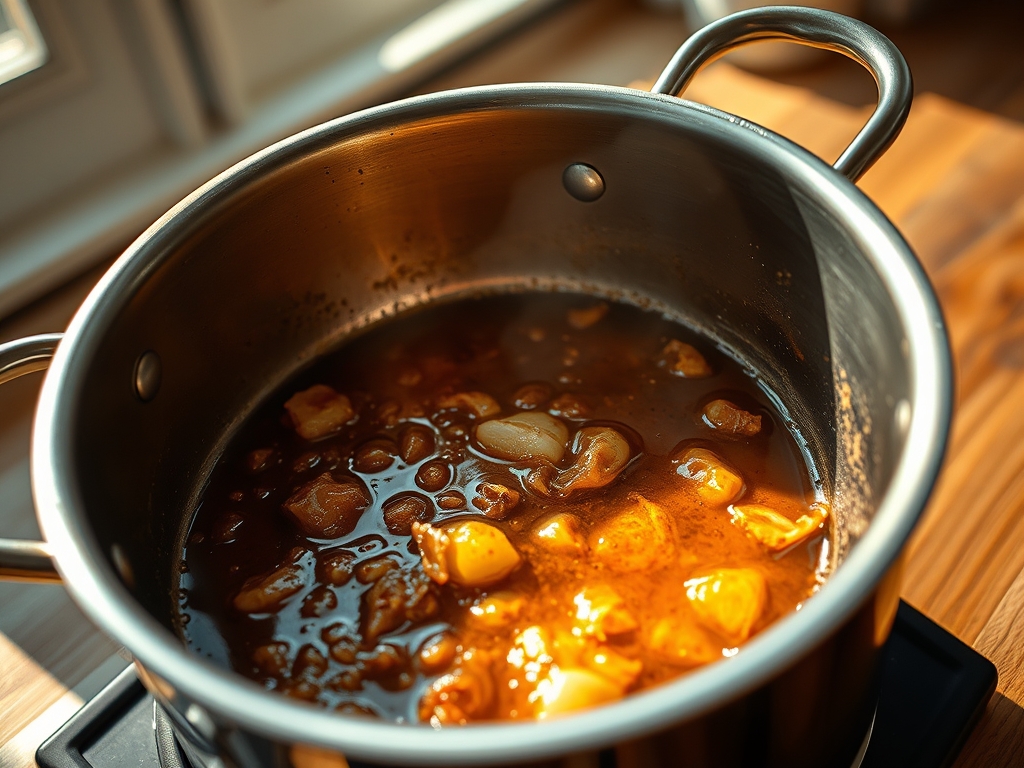
Begin by pulverizing your galangal, lemongrass, and coriander seeds into a fine paste. Use a digital scale to ensure the ratios are exact. In a small saucier, heat 20ml of oil and fry the paste until the raw scent dissipates and the oil begins to separate.
Pro Tip: This process, known as "blooming," allows the fat-soluble flavor compounds to infuse the oil, ensuring a deeper flavor profile that survives the intense heat of the charcoal.
2. Protein Preparation and Marination
Slice the chicken thighs into uniform 2cm cubes using a sharp chef knife and a bench scraper to organize your station. Toss the meat with half of the aromatic paste and the tamarind. Allow this to marinate for at least four hours.
Pro Tip: Uniformity in size is critical for simultaneous protein denaturation. If pieces vary in mass, the smaller units will overcook and turn rubbery before the larger ones render their internal fats.
3. The Lipid-Rich Glaze Construction
To create the satay sauce, pulse the roasted peanuts in a food processor until they reach a fine meal. Combine with the remaining aromatic paste, coconut milk, and Kecap Manis. Simmer in a heavy-bottomed pan until the mixture becomes viscous and glossy.
Pro Tip: Do not over-process the peanuts into a butter. A slight textural variance provides "grip" for the sauce to adhere to the meat during the final stages of grilling.
4. Skewering Protocol
Thread 4-5 pieces of meat onto bamboo skewers that have been soaked in water for thirty minutes. Ensure the meat is packed tightly together to retain moisture but not so tight that the heat cannot penetrate the center.
Pro Tip: Soaking skewers prevents the wood from igniting. A professional setup often utilizes a "shield" of foil over the exposed handle ends to maintain structural integrity during the sear.
5. The Charcoal Infusion
Prepare a charcoal grill for high-heat direct cooking. Place the skewers over the coals. Sear for 2-3 minutes per side until a crust forms. In the final 2 minutes, liberally brush the peanut glaze over the meat, allowing it to caramelize without burning.
Pro Tip: The sugars in the Kecap Manis will undergo the Maillard reaction rapidly. Watch for the "bubbling" of the glaze; this indicates the water is evaporating and the sugars are concentrating into a lacquer.
Section B: Prep & Timing Fault-Lines:
The most common failure in Indonesian Satay is "glaze-sliding," where the sauce falls off the meat. This happens if the meat is too wet when it hits the grill. Always pat the marinated meat slightly dry before skewering. Another fault-line is temperature control; if the coals are too cool, the meat will bake rather than sear, resulting in a grey, unappetizing texture. Use an infrared thermometer to ensure your grate temperature is at least 450 degrees Fahrenheit before beginning the audit.
THE VISUAL SPECTRUM
Section C: Thermal & Visual Troubleshooting:
Referencing the Masterclass photo, your satay should exhibit a deep, amber-to-mahogany hue with localized spots of carbonization (the "char"). If your skewers look pale or yellow, your heat was too low or your marinade lacked sufficient Kecap Manis. If the sauce looks "curdled" on the meat, the coconut milk in your glaze likely broke due to excessive boiling; keep the glaze at a gentle simmer, never a rolling boil. A dull, matte finish suggests a lack of fat; a quick brush of neutral oil or a splash more coconut milk in the final glaze will restore that professional, high-gloss sheen.
THE DEEP DIVE
Macro Nutrition Profile:
A standard serving of three skewers provides approximately 28g of protein, 18g of healthy fats (primarily monounsaturated from peanuts), and 12g of carbohydrates. The caloric density is high, making this an excellent fuel source for high-output individuals.
Dietary Swaps:
- Vegan: Replace chicken with extra-firm pressed tofu or tempeh. Ensure the tempeh is steamed before marinating to remove bitterness.
- Keto: Substitute Kecap Manis with a mix of tamari and a monk fruit sweetener. Use heavy cream or extra coconut cream to maintain the lipid profile.
- GF: Ensure the soy sauce used is a certified gluten-free tamari.
Meal Prep & Reheating Science:
To maintain the molecular structure when reheating, avoid the microwave, which turns the peanut fats into an oily slick. Instead, use a convection oven at 350 degrees Fahrenheit. The circulating air helps re-crisp the exterior glaze while gently warming the protein core without further toughening the muscle fibers.
THE KITCHEN TABLE
Why is my peanut sauce separating into oil and solids?
This occurs when the emulsion breaks due to excessive heat or a lack of moisture. Whisk in a teaspoon of warm water or coconut milk to re-bind the fats to the solids.
Can I use smooth peanut butter instead of whole peanuts?
You can, but the texture will be "flat." If using butter, add crushed toasted peanuts at the end to provide the necessary structural contrast and visual appeal.
How do I prevent the meat from sticking to the grill?
Ensure your grates are meticulously cleaned and seasoned with oil. High heat is your friend; the meat will naturally "release" once the Maillard crust has sufficiently formed.
My satay tastes bitter; what happened?
You likely burnt the galangal or the peanuts during the initial frying phase. Aromatics should be cooked until fragrant, not dark brown. Bitter notes can also come from scorched bamboo skewers.
Is it necessary to use charcoal?
While a gas grill works, you lose the "charcoal infusion" that defines the dish. The smoke from dripping fat hitting hot coals provides the signature "smoky" profile essential to an authentic audit.