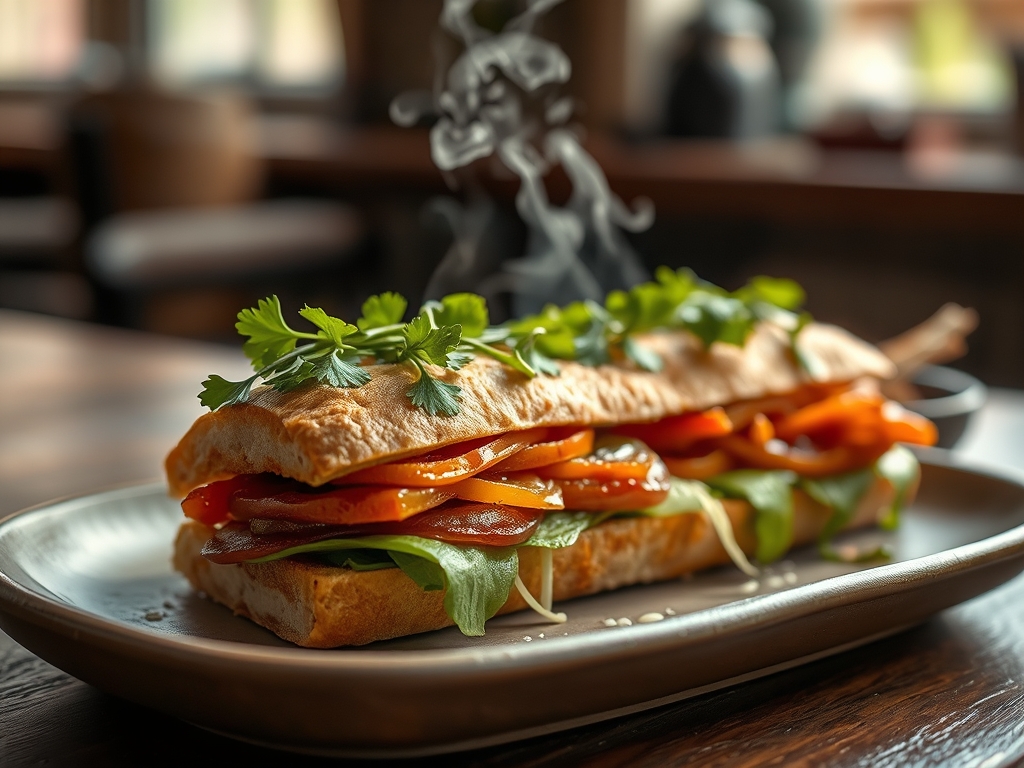
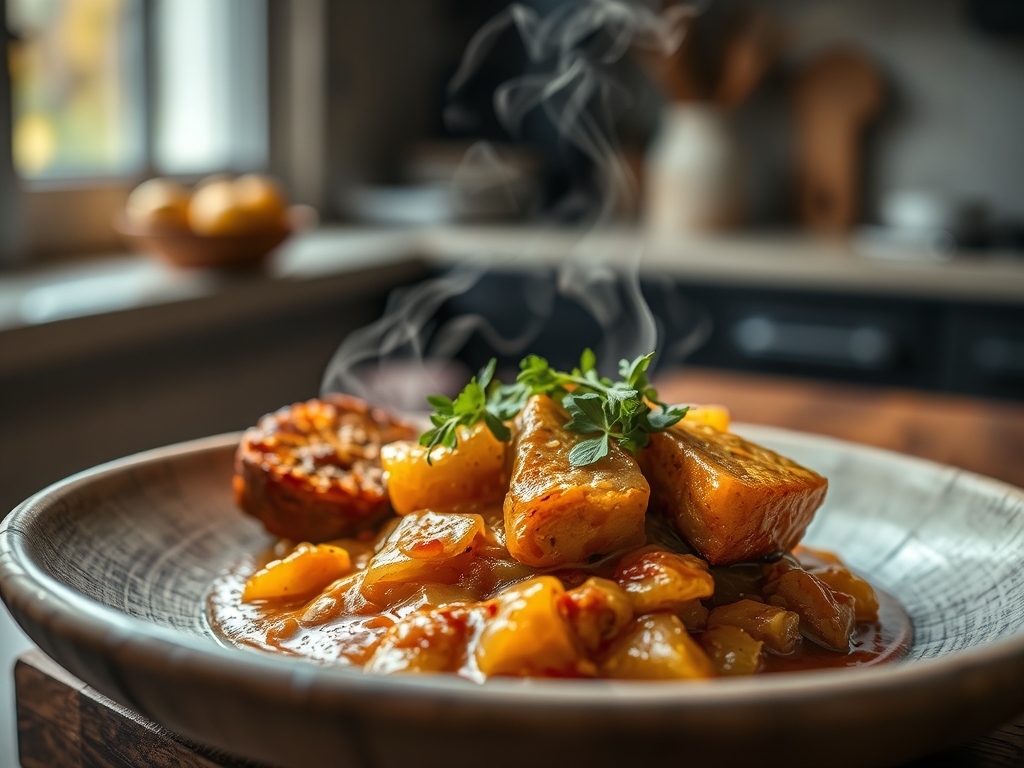
Imagine a hollowed out loaf of white bread transformed into a structural vessel for a piquant, steaming livestock of spices and gravy. This is not just a meal; it is a marvel of civil engineering. The South African Bunny Chow represents the pinnacle of street food architecture. Born in the 1940s in Durban, this dish was designed for portability and maximum flavor saturation. You are not merely eating a curry; you are managing a controlled structural collapse. The bread must be soft enough to yield to the tooth but sturdy enough to act as a dam against a flood of viscous lamb or bean gravy. As the oils infuse into the crumb, the bread undergoes a transformation from simple starch to a flavor-soaked sponge. If your bread fails, the structural integrity of your lunch vanishes into a soggy mess. We are here to ensure your crumb-to-curry ratio is calibrated for peak performance. Strap in, because we are about to audit the most delicious infrastructure project you have ever undertaken.
THE DATA MATRIX
| Metric | Specification |
|---|---|
| Prep Time | 25 mins |
| Execution Time | 60 mins |
| Yield | 4 Servings |
| Complexity (1-10) | 6 |
| Estimated Cost per Serving | $4.50 |
THE GATHERS
Ingredient Protocol:
- 800g / 1.75 lbs Lamb shoulder or leg, cubed (or sugar beans for vegetarian)
- 2 large White onions, finely diced
- 30ml / 2 tbsp Vegetable oil
- 3 cloves Garlic, minced
- 15g / 1 tbsp Ginger, freshly grated
- 45ml / 3 tbsp Durban masala or strong curry powder
- 5ml / 1 tsp Turmeric
- 2 large Tomatoes, blanched and diced
- 250ml / 1 cup Beef or vegetable stock
- 2 medium Potatoes, peeled and cubed into 2cm pieces
- 1 sprig Curry leaves
- 2 loaves Uncut white bread (crusty but soft-centered)
- Fresh coriander for garnish
Section A: Ingredient Quality Audit:
The primary failure point in a Bunny Chow is the bread. If you use pre-sliced bread, you have already lost the war. You require a "virgin loaf" with a dense, tight crumb. If your bread feels too airy or "cotton-candy" like, it will dissolve upon contact with the gravy. To fix this, slightly toast the interior walls of the hollowed loaf to create a hydrophobic barrier. Secondly, ensure your spices are fresh. If your masala smells like dust, your curry will taste like cardboard. Bloom your spices in hot oil to release the essential oils before adding liquids. If the meat is tough, you likely failed to render the connective tissue; extend the simmer time and add a splash of acid, like vinegar or lemon juice, to help break down the fibers.
THE MASTERCLASS
Step 1: The Aromatics Foundation
Heat your oil in a heavy-bottomed saucier or Dutch oven. Add the onions and sauté until they are translucent and starting to caramelize. This is where the Maillard reaction begins. Add the garlic, ginger, and curry leaves, stirring constantly to avoid burning.
Pro Tip: Use a digital scale to measure your spices by weight rather than volume. This ensures consistent heat levels across every batch you produce.
Step 2: Spicing and Searing
Add your masala and turmeric to the oil. Stir for 60 seconds until the mixture becomes fragrant and the oil turns a deep red. Add the cubed lamb. Increase the heat to sear the meat, ensuring each piece is coated in the spice paste.
Pro Tip: Do not crowd the pan. If you add too much meat at once, the temperature drops and the meat boils in its own juices rather than searing. Work in batches if necessary.
Step 3: Deglazing and Simmering
Add the diced tomatoes and use a wooden spoon to deglaze the bottom of the pan, scraping up all the browned bits (fond). Pour in the stock. Lower the heat to a gentle simmer and cover.
Pro Tip: Use a thermometer to ensure the liquid stays between 180F and 190F. This "sweet spot" breaks down collagen without toughening the muscle fibers.
Step 4: The Potato Integration
After 30 minutes, add the cubed potatoes. These act as the thickening agent for your gravy. The starch from the potatoes will aerate and thicken the sauce as they soften, creating that signature viscous texture required for bread absorption.
Pro Tip: Cut your potatoes into uniform 2cm cubes using a bench scraper to clear your board quickly. Uniformity ensures they all finish cooking at the exact same moment.
Step 5: The Structural Excavation
While the curry finishes, take your uncut loaves and slice them in half (or quarters for smaller portions). Use a knife to cut a square into the top of the crumb, then pull out the center bread, leaving a 2cm thick wall on all sides. Save the "plug" (the bread you removed).
Pro Tip: Do not discard the bread plug. This is the "virgin" piece used to dip into the gravy first. It is the most coveted part of the meal.
Step 6: The Final Assembly
Ladle the hot curry into the hollowed bread. Ensure there is a generous amount of gravy, as the bread will immediately begin to soak it up. Top with the bread plug and fresh coriander.
Pro Tip: Serve immediately on a sturdy wooden board. The clock is ticking on the structural integrity of the bread "bowl."
Section B: Prep & Timing Fault-Lines:
Timing is the silent killer of the Bunny Chow. If you hollow the bread too early, it dries out and becomes brittle. If the curry is too thin, the bread collapses in minutes. The gravy must be thick enough to coat the back of a spoon. If your timing is off and the curry is ready before the guests arrive, keep the curry in a thermal carafe or a low-temperature slow cooker to maintain its viscous state without overcooking the potatoes into mush.
THE VISUAL SPECTRUM
Section C: Thermal & Visual Troubleshooting:
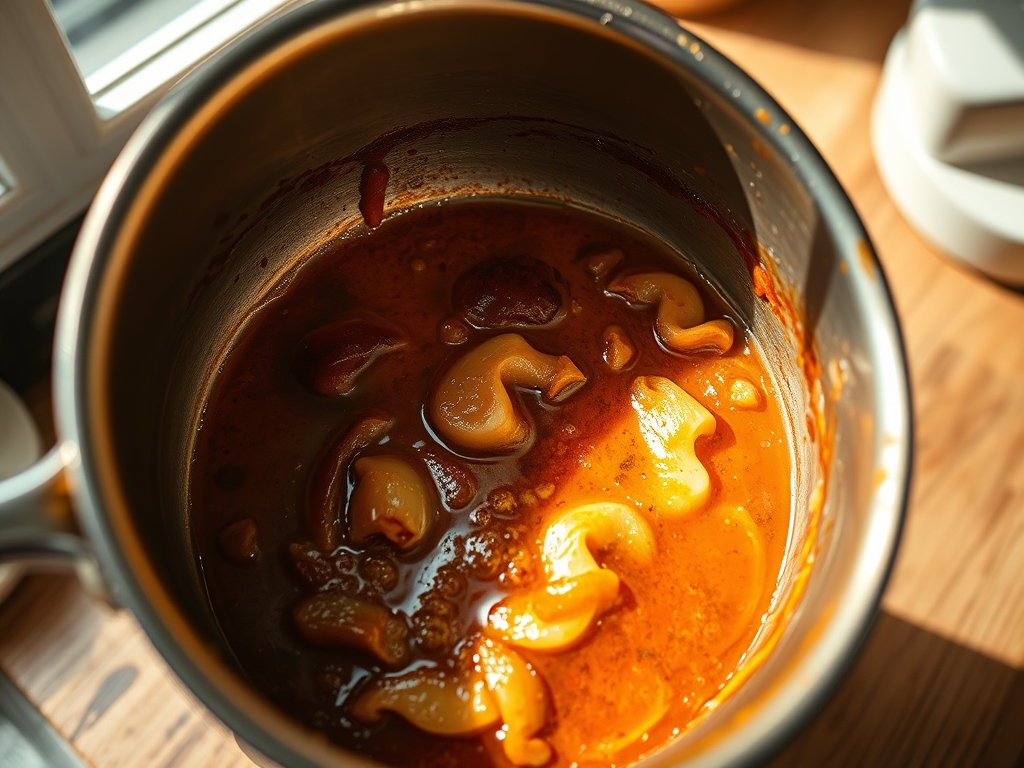
Look at the Masterclass photo. The gravy should be a vibrant, deep mahogany, not a pale yellow. If your curry looks dull, you likely under-cooked your spices or used old turmeric. The potatoes should hold their shape but have softened edges that look almost "fuzzy" in the sauce; this indicates they have released enough starch to thicken the liquid. If you see oil pooling at the top, your emulsion has broken. To fix this, whisk in a tablespoon of cold water or a bit more tomato puree to re-emulsify the fats. The bread should look white and fluffy on the inside but have a golden, taut crust on the exterior to provide the necessary tension.
THE DEEP DIVE
Macro Nutrition Profile:
A standard lamb Bunny Chow is a high-calorie, high-carb powerhouse. Expect roughly 850-1,000 calories per serving, with 45g of protein, 90g of carbohydrates, and 35g of fats. It is designed for laborers and those needing sustained energy.
Dietary Swaps:
- Vegan: Replace lamb with sugar beans or chickpeas. Use vegetable stock.
- Keto: This is a challenge. Replace the bread loaf with a hollowed-out roasted bell pepper or a large Portobello mushroom cap.
- GF: Use a certified gluten-free loaf, though be warned that GF bread often lacks the structural "stretch" of wheat-based crumb.
Meal Prep & Reheating Science:
Never store the curry inside the bread. Store the curry in an airtight container for up to three days. When reheating, add a splash of water to loosen the gravy. Reheat on the stovetop to maintain the molecular structure of the fats. Toast the bread fresh just before serving to ensure the contrast between the hot, wet curry and the dry, porous bread remains intact.
THE KITCHEN TABLE
Why is my bread getting soggy so fast?
Your gravy is likely too watery. Simmer the curry longer without a lid to reduce the liquid. You want a thick, coating consistency that "clings" to the bread fibers rather than running through them like water.
Can I use chicken instead of lamb?
Absolutely. Use skinless, boneless thighs for the best results. Chicken breasts tend to dry out during the long simmer required to develop the deep spice profile necessary for an authentic Durban-style Bunny.
What is the best way to eat this?
Use your hands. Start with the "plug" of bread to scoop out the top layer of curry. Gradually break off pieces of the side walls, dipping them into the gravy as you work your way down.
Is Durban Masala different from regular curry powder?
Yes. Durban Masala is typically darker, hotter, and contains more ground coriander and cumin than standard supermarket powders. It often includes dried ginger and cinnamon for a complex, earthy heat.