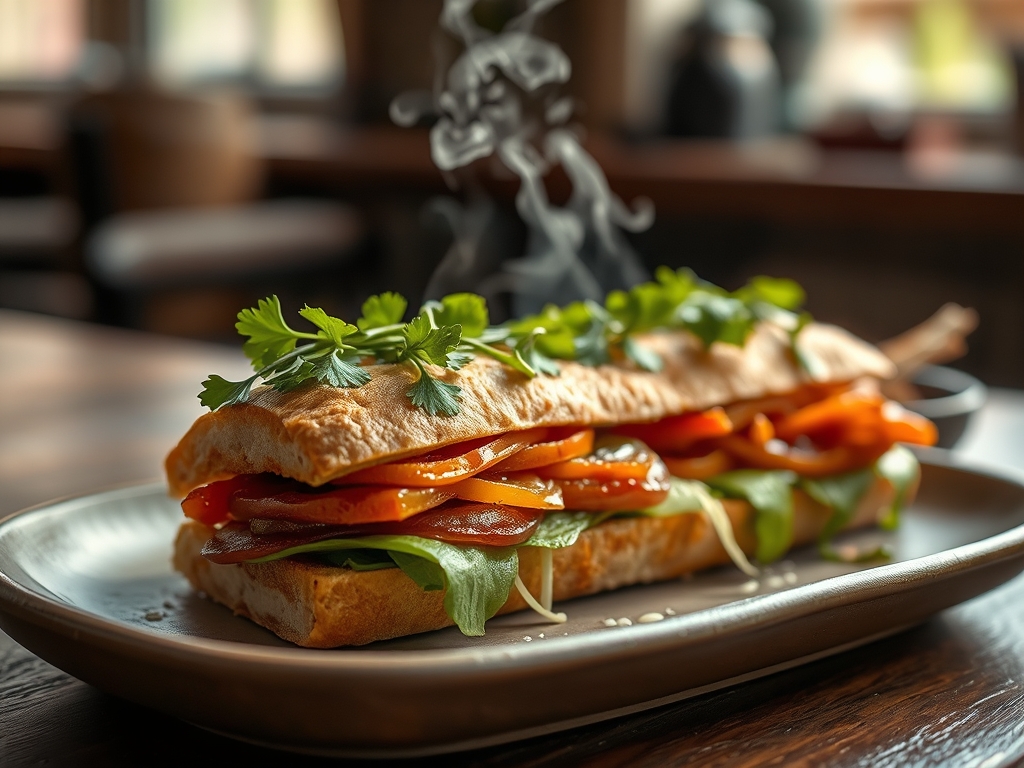
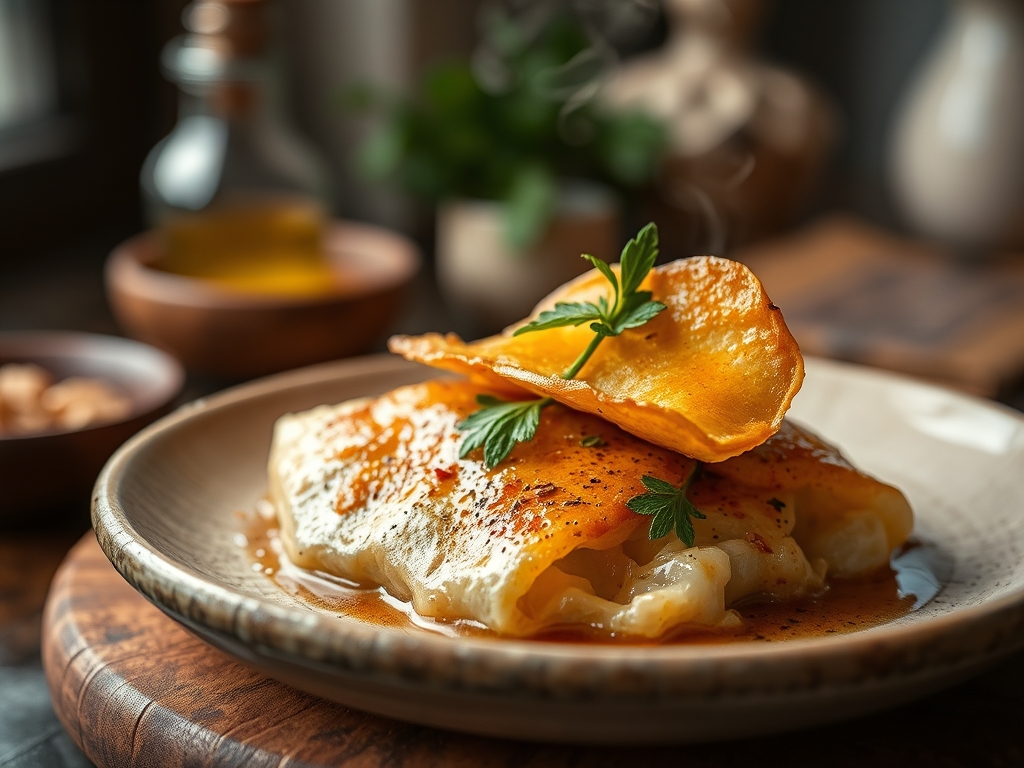
The scent of sizzling oil hitting a verdant, herb-heavy batter is the olfactory equivalent of a high-voltage shock to the system. We are not discussing the dense, chickpea-based pebbles found in generic Levant snack shops. This is an audit of Egyptian Taameya; the superior, aerated, and structurally sophisticated ancestor of the common falafel. While the rest of the world grinds down starchy chickpeas, the Egyptian infrastructure relies on the dried fava bean. When soaked and processed, these beans transform into a light, almost souffled interior that defies the laws of deep-frying. The exterior must be a shattered glass lattice of golden-brown crust, while the inside remains a vibrant, emerald-green cloud. Achieving this requires more than a recipe; it requires a deep understanding of protein coagulation and moisture management. We are building edible architecture here. If your legume pucks are heavy, oily, or dull, you have failed the structural integrity test. Prepare for a total system overhaul as we deconstruct the mechanics of the perfect Egyptian street staple.
THE DATA MATRIX
| Metric | Specification |
|---|---|
| Prep Time | 12 to 24 Hours (Soaking Phase) |
| Execution Time | 30 Minutes |
| Yield | 20 to 24 Pucks |
| Complexity (1-10) | 6.5 |
| Estimated Cost per Serving | $0.45 USD |
THE GATHERS
Ingredient Protocol:
- 500g / 2 cups Split Dried Fava Beans (Peeled/Skinless)
- 150g / 1.5 cups Fresh Leeks (White and light green parts only)
- 50g / 1 cup Fresh Cilantro (Leaves and tender stems)
- 50g / 1 cup Fresh Flat-Leaf Parsley
- 40g / 5 cloves Fresh Garlic
- 15g / 1 tbsp Ground Coriander
- 10g / 2 tsp Fine Sea Salt
- 5g / 1 tsp Cumin
- 2g / 0.5 tsp Cayenne Pepper (Optional)
- 100g / 0.75 cup Raw Sesame Seeds (For coating)
- 1L / 4 cups Neutral High-Smoke Point Oil (For frying)
Section A: Ingredient Quality Audit:
The primary failure point in Egyptian Taameya is the hydration level of the fava bean. If using old stock, the beans may remain "woody" even after a 12-hour soak. To fix this, add 2g of baking soda to the soaking water to help break down the hemicellulose in the bean cell walls. Secondly, moisture is the enemy of the crust. If your greens are wet from washing, they will turn your batter into a viscous sludge rather than a light paste. Use a salad spinner to ensure every leaf is bone-dry before it hits the blade. If the batter feels too wet, do not add flour; instead, let the mixture sit in a fine-mesh strainer for ten minutes to render out excess cellular liquid.
THE MASTERCLASS
Step 1: The Hydration Phase
Drain your soaked fava beans and pat them dry with lint-free towels. The beans should be tender enough to split with a fingernail but not mushy. Use a digital scale to ensure your ratio of beans to aromatics remains consistent.
Pro Tip: Proper hydration is about cellular expansion. If you under-soak, the starch granules will not gelatinize properly during frying, leading to a gritty, unpleasant mouthfeel.
Step 2: The Primary Grind
Place the beans, leeks, garlic, and herbs into a high-capacity food processor. Pulse in short bursts to achieve a coarse, sand-like texture. Do not over-process at this stage; we are looking for mechanical breakdown, not a puree. Use a bench scraper to move the mixture from the processor to a large mixing bowl.
Pro Tip: Keeping the pulse short prevents the motor from heating the batter. Heat can prematurely infuse the herb oils into the starch, dulling the final color.
Step 3: Aeration and Seasoning
Fold in your salt, coriander, cumin, and cayenne. Using a stand mixer with a whisk attachment or a hand-held balloon whisk, beat the mixture for three minutes. This process will aerate the batter, incorporating micro-bubbles that expand when they hit the hot oil.
Pro Tip: This is the secret to the "cloud" texture. Without mechanical aeration, the fava proteins pack too tightly, creating a leaden puck rather than a light fritter.
Step 4: The Thermal Execution
Heat your oil in a heavy-bottomed saucier or deep skillet to exactly 175C (350F). Use a wet spoon or a small ice cream scoop to portion the batter. Flatten slightly, press one side into a bed of sesame seeds, and gently slide into the oil.
Pro Tip: Use an infrared thermometer to monitor the oil. If the temperature drops below 160C, the batter will absorb oil via capillary action, becoming greasy rather than crisp.
Section B: Prep & Timing Fault-Lines:
Human error usually manifests in the "crowding" of the frying vessel. Dropping too many pucks at once causes a thermal crash. The oil temperature plummets, and the Maillard reaction stalls. This results in a pale, soggy product. Fry in batches of no more than five. Additionally, if you grind the batter too far in advance, the salt will draw out moisture via osmosis, turning your fluffy dough into a liquid mess. Always season immediately before frying.
THE VISUAL SPECTRUM
Section C: Thermal & Visual Troubleshooting:
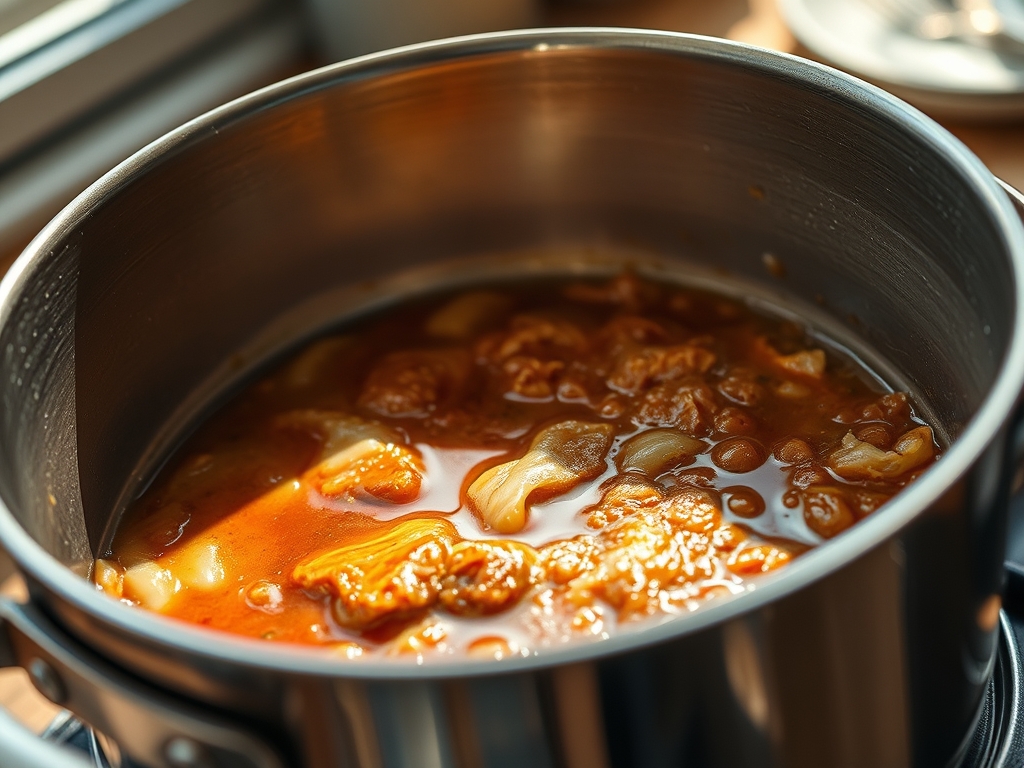
Referencing the Masterclass photo, the ideal Taameya exhibits a "ruggedized" surface. If your pucks are perfectly smooth, you have over-processed the beans into a paste. The visual goal is a high-contrast palette: dark, toasted-gold exterior with white sesame accents, opening to reveal a neon-green interior. If the interior is yellowish, you have skimped on the leeks and cilantro. If the exterior is dark brown but the center is raw, your oil is too hot; the exterior is caramelizing before the heat can conduct to the core. Ensure the sesame seeds are raw when applied; pre-toasted seeds will burn and become bitter during the frying process.
THE DEEP DIVE
Macro Nutrition Profile:
A standard 50g serving of Egyptian Taameya provides approximately 120 calories, 6g of plant-based protein, 8g of complex carbohydrates, and 7g of healthy fats (largely from the sesame seeds and frying oil). It is a nutrient-dense powerhouse, rich in folate, manganese, and iron.
Dietary Swaps:
- Vegan: Naturally compliant.
- Keto: Replace fava beans with a mixture of ground hemp hearts and cauliflower rice (Note: binding will require psyllium husk).
- Gluten-Free: Naturally compliant, provided no flour is used as a thickener.
Meal Prep & Reheating Science:
To maintain the molecular structure, never microwave a leftover Taameya. Microwaves vibrate water molecules, which softens the starch lattice and results in a rubbery texture. Instead, use an air fryer or toaster oven at 180C for four minutes. This re-crisps the exterior through dry-heat convection while gently warming the aerated core.
THE KITCHEN TABLE
Why is my Taameya falling apart in the oil?
This indicates a lack of structural binding. Either the beans were over-soaked and too wet, or the batter wasn't pulsed enough to release the natural starches. Add a teaspoon of chickpea flour as an emergency stabilizer if the integrity fails.
Can I bake these instead of frying?
You can, but the infrastructure will suffer. Baking lacks the rapid steam evaporation required to create the signature shattered-glass crust. If you must bake, brush generously with oil and use a high-heat convection setting to simulate the frying environment.
What is the best way to store the raw batter?
The batter can be frozen in airtight containers for up to three months. However, do not add the leeks or herbs until you defrost and are ready to fry, as the freezing process ruptures plant cell walls and causes discoloration.
Why use leeks instead of onions?
Leeks provide a more nuanced, piquant flavor without the high water content of a standard white onion. This helps maintain the density of the batter, ensuring the pucks hold their shape without the need for additional binders or fillers.