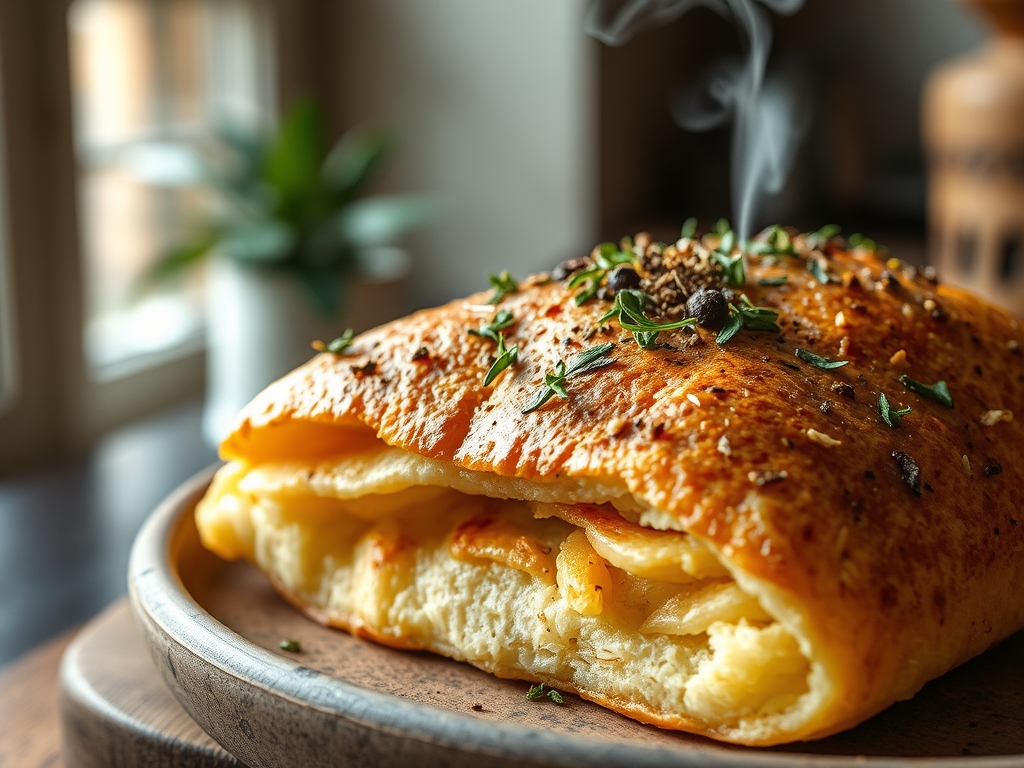
The golden disk of Persian Tahdig is not merely a side dish; it is a structural masterpiece of thermal engineering and lipid distribution. Imagine the sensory overload as you invert a heavy-bottomed pot to reveal a shimmering, scorched crown of saffron-infused grains. The aroma is immediate and intoxicating. It is the scent of toasted basmati meeting clarified fat at the precise moment of carbonization. This is the crunch that echoes through the history of the Silk Road. We are talking about a texture so specific that it defies standard culinary categorization. It is brittle yet yielding, shattered glass in appearance but buttery on the palate. Achieving the perfect Persian Tahdig requires more than a recipe; it requires a rigorous audit of moisture ratios and heat conduction. If your rice is mushy or your crust is pale, you have failed the kinetic test of Persian soul food. Prepare to recalibrate your kitchen. We are diving deep into the scorched earth of the perfect rice crust.
THE DATA MATRIX
| Metric | Specification |
|---|---|
| Prep Time | 45 Minutes |
| Execution Time | 60 Minutes |
| Yield | 6 Servings |
| Complexity | 8 / 10 |
| Estimated Cost per Serving | $1.75 |
THE GATHERS
Ingredient Protocol:
- 680g / 3 cups Long-Grain Basmati Rice (Aged is mandatory)
- 60ml / 4 tbsp Kosher Salt (For the parboil brine)
- 115g / 8 tbsp Unsalted Butter or Ghee
- 60ml / 4 tbsp Neutral Oil (High smoke point)
- 2g / 1 tsp High-Quality Saffron Threads
- 120ml / 0.5 cup Full-Fat Greek Yogurt (For the crust stabilizer)
- 15ml / 1 tbsp Boiling Water (To bloom the saffron)
Section A: Ingredient Quality Audit:
The primary failure point in Persian Tahdig is the rice grain itself. If you use short-grain or "sticky" rice, the starch content will create a gummy mess rather than distinct, elongated needles. Aerate your rice by rinsing it at least five times until the water runs crystal clear. If your saffron is dull or metallic, it is likely adulterated with safflower. To fix a weak saffron profile, grind the threads with a pinch of sugar in a mortar and pestle before adding water. This increases the surface area for the color to infuse. If your butter burns too quickly, your heat is too high or your milk solids are scorching. Switch to clarified ghee to ensure a higher thermal ceiling during the final crisping phase.
THE MASTERCLASS
Step-by-Step Execution:
1. The Brine and Parboil
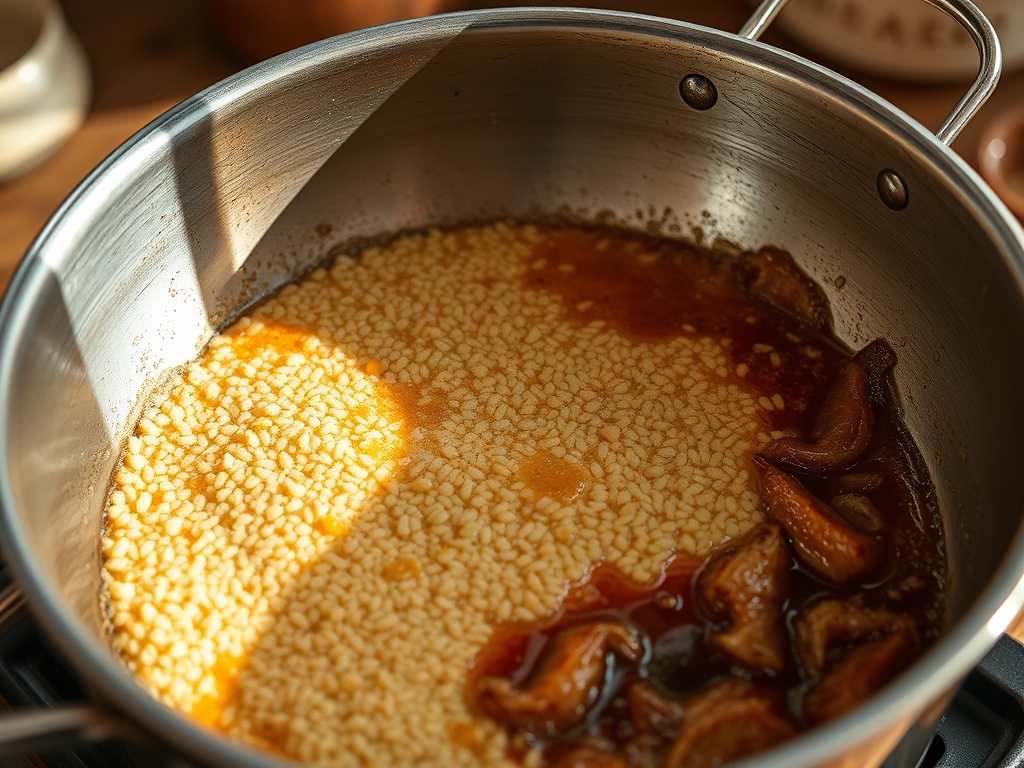
Bring 3 liters of water to a rolling boil in a large saucier or stockpot. Add the salt. It should taste like the ocean. Add the rinsed rice and boil for exactly 6 to 8 minutes. You are looking for an "al dente" state where the exterior is soft but the core retains a slight snap. Drain immediately into a fine-mesh colander and rinse with cold water to stop the cooking process.
Pro Tip: This step is about gelatinizing the external starches while keeping the internal structure intact. Use a digital scale to ensure your salt-to-water ratio is consistent; precision here prevents the rice from breaking during the steam phase.
2. The Saffron Infusion
While the rice drains, grind your saffron and mix it with 15ml of boiling water. Let it sit for 5 minutes until the liquid is a deep, viscous crimson. In a separate bowl, mix 2 cups of the parboiled rice with the Greek yogurt, half of the melted butter, and half of the saffron water. This mixture forms the structural foundation of your crust.
Pro Tip: The yogurt acts as a protein binder. During the Maillard reaction, the lactose and proteins in the yogurt undergo a complex browning process that creates a thicker, more resilient crust than oil alone could achieve.
3. The Structural Layering
Place a heavy-bottomed non-stick pot or a well-seasoned cast iron dutch oven over medium heat. Add the remaining oil and butter. Once the fat begins to shimmer, spread the yogurt-rice mixture evenly across the bottom, pressing down firmly with a bench scraper or the back of a large spoon. Mound the remaining white rice on top in a pyramid shape.
Pro Tip: The pyramid shape is essential for steam distribution. It allows the moisture to rise and circulate, preventing the top grains from becoming soggy while the bottom grains render in the fat.
4. The Steam Venting
Use the handle of a wooden spoon to poke five or six holes through the rice mound down to the bottom of the pot. This creates "chimneys" for steam to escape. Pour the remaining saffron water and butter over the top. Wrap the pot lid in a clean kitchen towel (to absorb excess moisture) and seal the pot tightly.
Pro Tip: A tight seal is non-negotiable. If steam escapes, the rice will dry out before the bottom has time to brown. The towel acts as a moisture regulator, ensuring the top grains stay fluffy and light.
5. The Thermal Finish
Cook on medium-high heat for 10 minutes to set the crust, then reduce to low for 45 minutes. You are looking for a gentle sizzle. If you smell burning, reduce heat immediately. To finish, place the bottom of the pot in a sink of cold water for 30 seconds to release the crust from the metal. Invert onto a platter with confidence.
Pro Tip: The cold water shock creates a micro-layer of steam between the crust and the pot. This physical reaction breaks the surface tension, allowing the Tahdig to slide out as one cohesive, shatter-crisp unit.
Section B: Prep & Timing Fault-Lines:
Timing is the most common human error in this protocol. If you parboil the rice for 10 minutes instead of 7, the weight of the mound will crush the bottom layer into a paste. If your heat is too low during the first 10 minutes of the steaming phase, the yogurt will soak into the rice rather than frying against the pan surface. Use an infrared thermometer to ensure your pan base hits at least 325 degrees Fahrenheit before you turn the heat down to low. If the rice is too dry at the end, you likely didn't add enough fat; the oil is the heat transfer medium that "fries" the crust into existence.
THE VISUAL SPECTRUM
Section C: Thermal & Visual Troubleshooting:
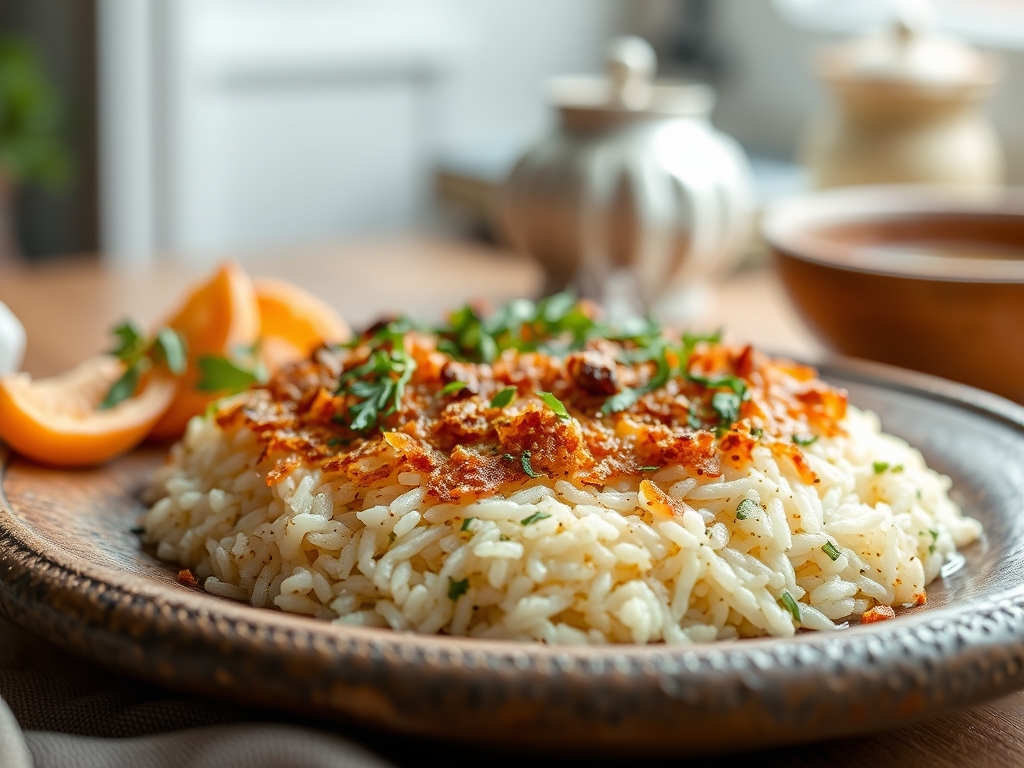
Referencing the Masterclass photo, the ideal Persian Tahdig should exhibit a uniform, deep amber hue. If your crust has "leopard spots" (dark circles with pale gaps), your burner size does not match your pot diameter. Use a heat diffuser to spread the flame. If the color is dull yellow rather than vibrant orange, your saffron was likely old or you skipped the blooming process. The texture should look like a honeycomb; if it looks like a solid sheet of plastic, you used too much yogurt and not enough rice grains in the base layer. A perfect audit reveals individual grains that are fused together but still visible as distinct units.
THE DEEP DIVE
Macro Nutrition Profile:
A standard serving of Persian Tahdig is carbohydrate-heavy but carries significant healthy fats if using grass-fed ghee. Expect approximately 350 calories per serving, with 45g of carbohydrates, 18g of fat, and 5g of protein. The glycemic index is moderated slightly by the fat content in the crust.
Dietary Swaps:
- Vegan: Replace butter with coconut oil and yogurt with a thick cashew-based cream. The sugars in cashew cream mimic the browning of dairy.
- Keto: This is a rice-centric dish; however, "Cauliflower Tahdig" can be attempted by pressing squeezed-dry cauliflower rice into the fat, though the structural integrity will be significantly lower.
- GF: Naturally gluten-free, provided your spices are not processed with wheat-based anti-caking agents.
Meal Prep & Reheating Science:
To maintain the molecular structure of the crust, never microwave Tahdig. The microwave agitates water molecules, turning the crisp crust into a rubbery shield. Reheat in a dry skillet over medium heat or in a 350-degree oven for 10 minutes to re-crisp the lipids.
THE KITCHEN TABLE
Why is my Tahdig sticking to the pan?
You likely skipped the cold-water shock at the end. That brief thermal transition is what releases the starches from the pan's surface. Also, ensure your non-stick coating isn't compromised or your cast iron is properly seasoned.
Can I use brown rice for this?
Technically yes, but the bran layer on brown rice prevents the grains from fusing into a traditional crust. You will end up with "crispy rice" rather than a structural Tahdig disk. Increase the parboil time by 15 minutes.
My rice is crunchy on top but the bottom is burnt.
Your heat was too high and you didn't create enough steam. The "chimney" holes are vital for moving heat upward. If the top is dry, you need more butter or a tighter lid seal.
What is the best pot for Tahdig?
A heavy-bottomed, non-stick 5-quart pot is the gold standard for beginners. Professional Persian chefs often use seasoned cast iron or aluminum, but these require expert-level heat management to prevent sticking.