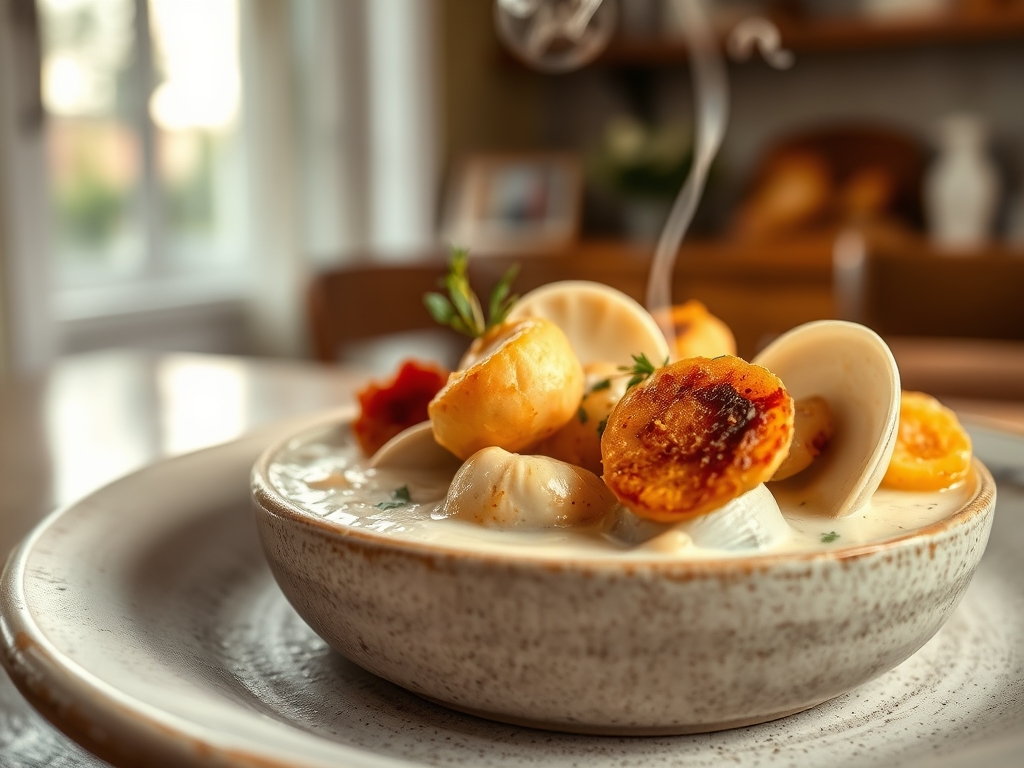
Forget the thin, watery decoctions of the uninitiated. We are here to discuss the structural integrity of the definitive New England Clam Chowder. This is not merely a soup; it is a high-performance emulsion designed to suspend bivalve protein within a matrix of lipid-rich dairy and starch. When executed with precision, it offers a sensory payload of salt, smoke, and sea that hits the palate with the force of a North Atlantic gale. If your current output resembles a translucent broth or, heaven forbid, a wallpaper paste, your culinary infrastructure is compromised. We are building a vessel of flavor that requires rigorous thermal management and a deep understanding of starch gelatinization. We are looking for a viscous, velvet-coated experience where every cube of potato is a structural anchor and every clam is a tender explosion of brine. Prepare to audit your pantry and recalibrate your stove. We are moving beyond the realm of home cooking and into the territory of professional-grade liquid engineering. Strap in; it is time to render some salt pork.
THE DATA MATRIX
| Metric | Specification |
|---|---|
| Prep Time | 30 Minutes |
| Execution Time | 45 Minutes |
| Yield | 6 Servings |
| Complexity | 6 / 10 |
| Estimated Cost per Serving | $4.50 – $6.00 |
THE GATHERS
Ingredient Protocol:
- 115g / 4oz Salt pork or thick-cut bacon, finely diced
- 30g / 2 tbsp Unsalted high-fat butter
- 2 Large yellow onions (approx. 400g), finely diced
- 30g / 1/4 cup All-purpose flour (for the roux bridge)
- 480ml / 2 cups Bottled clam juice or fresh clam liquor
- 450g / 1 lb Yukon Gold potatoes, peeled and 1/2-inch cubed
- 1kg / 2 lbs Fresh littleneck clams (steamed and chopped) or 3 cans (6.5oz) minced clams
- 480ml / 2 cups Heavy cream (minimum 36% milkfat)
- 1.2g / 1/2 tsp Dried thyme or 2 sprigs fresh
- 1 Bay leaf (fresh preferred for essential oils)
- To taste: Freshly cracked black pepper and sea salt
- Optional: 5ml / 1 tsp Worcestershire sauce for a piquant finish
Section A: Ingredient Quality Audit:
The primary failure point in any chowder is the quality of the mollusk. If using canned clams, the liquid is often overly metallic. Fix: Rinse the canned meats in cold filtered water and supplement the liquid with a high-quality dashi or a reduction of vegetable stock to restore depth. If your potatoes are shedding too much starch (looking at you, Russets), the soup will turn grainy. Fix: Use waxy Yukon Golds; they maintain their geometric integrity through the simmering phase. Finally, if your cream is ultra-pasteurized, it may lack the complex flavor profile of vat-pasteurized dairy. Offset this by whisking in a tablespoon of cultured creme fraiche at the finish to infuse a necessary lactic tang.
THE MASTERCLASS
Step 1: The Lipid Extraction
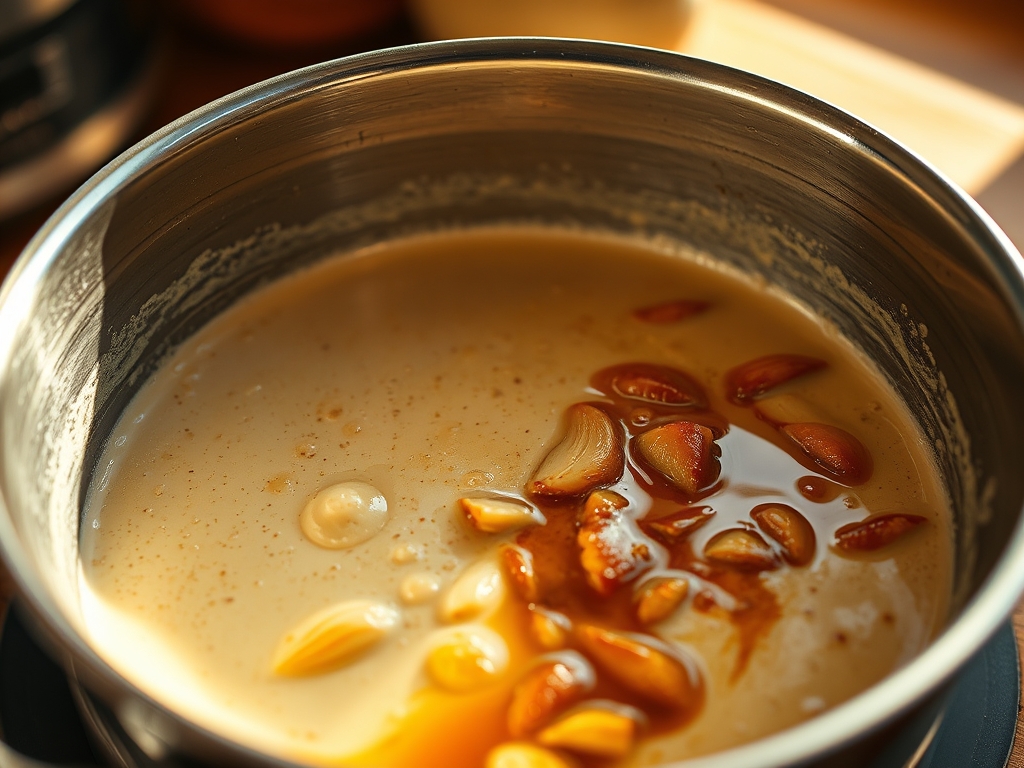
Begin by placing your diced salt pork into a heavy-bottomed saucier. Apply medium-low heat to slowly render the fat. You are looking for the solids to become golden and crisp while the liquid gold pools at the bottom. This fat is the foundation of your flavor profile.
Pro Tip: Use a bench scraper to efficiently transfer your precision-diced pork from the cutting board to the pan. Slow rendering prevents the scorching of proteins, ensuring a clean, smoky base without bitter notes.
Step 2: Aromatics and the Roux Bridge
Add the onions to the rendered fat. Sauté until translucent but not browned; we want sweetness, not the bitterness of caramelization. Sprinkle the flour over the onions and stir constantly for two minutes. This creates a roux that will stabilize the dairy later.
Pro Tip: A digital scale is essential here. Too much flour results in a "pasty" mouthfeel; too little, and your emulsion will break. The goal is to cook out the raw flour taste while maintaining a blond color.
Step 3: Liquid Integration and Starch Hydration
Slowly pour in the clam juice while whisking vigorously to avoid clumps. Add the potatoes, bay leaf, and thyme. Bring the mixture to a gentle simmer. Do not boil aggressively, as this can toughen the potatoes and cause the starch to break down prematurely.
Pro Tip: Use a silicone-coated whisk to reach the edges of the saucier. This ensures no flour-heavy sediment sticks to the bottom, which could lead to localized scorching and a burnt aroma.
Step 4: The Dairy Infusion
Once the potatoes are fork-tender, lower the heat to a minimum. Gently pour in the heavy cream. This is where the New England Clam Chowder gains its iconic opacity and viscous texture. Stir in the clams last to prevent them from becoming rubbery.
Pro Tip: Check the temperature with an infrared thermometer. You want the liquid to stay between 170F and 180F. Exceeding this can cause the dairy proteins to denature and "curdle," ruining the silken finish.
Section B: Prep & Timing Fault-Lines:
The most common human error is the "Clam Toughening Event." If you add fresh clams too early, the heat will shrink the proteins into rubber pellets. Fix: Always add the seafood in the final three minutes of cooking. Another fault-line is the "Potato Disintegration." If you dice the potatoes unevenly, the small pieces will dissolve into mush before the large pieces are cooked. Fix: Use a consistent 1/2-inch dice to ensure simultaneous starch gelatinization across the entire batch.
THE VISUAL SPECTRUM
Section C: Thermal & Visual Troubleshooting:
Referencing the Masterclass photo above, observe the "Ivory Sheen." A perfect chowder should not be stark white; it should have a warm, off-white hue derived from the rendered fat and aromatics. If your chowder looks dull or grey, you likely skipped the sautéing of the onions or used oxidized clam juice. To fix a "broken" look where oil slicks appear on the surface, use an immersion blender to quickly aerate a small portion of the base (without the clams) to re-emulsify the fats. If the color is too pale, a microscopic pinch of turmeric or a dash of Worcestershire can provide the necessary visual depth without altering the primary flavor profile.
THE DEEP DIVE
Macro Nutrition Profile:
A standard 300ml serving delivers approximately 450 calories. It is high in Vitamin B12 and Selenium thanks to the clams, though the lipid profile is significant due to the heavy cream and salt pork. Expect roughly 30g of fat, 25g of carbohydrates, and 18g of protein per serving.
Dietary Swaps:
- Vegan: Replace salt pork with smoked paprika and olive oil. Use coconut cream and a "clam" broth made from dried shiitake mushrooms and kombu.
- Keto: Eliminate the potatoes and flour. Use cauliflower florets for texture and xanthan gum (0.5% by weight) to achieve the desired viscosity.
- GF: Swap all-purpose flour for a high-quality 1:1 gluten-free blend or use a potato starch slurry added at the end of the simmer.
Meal Prep & Reheating Science:
To maintain molecular structure, never boil chowder when reheating. Rapid boiling shears the starch bonds and separates the fats. Reheat over low heat, stirring constantly, or use a sous-vide bath set to 165F to ensure the clams do not overcook while the base reaches serving temperature.
THE KITCHEN TABLE
Why is my chowder thin even with a roux?
You likely did not simmer the liquid long enough. Starch requires heat to hydrate and swell. Ensure the base reaches a gentle simmer for at least ten minutes after adding the juice to activate the thickening power of the flour.
Can I use milk instead of heavy cream?
You can, but the stability decreases. Milk has a higher water content and lower fat, making the emulsion prone to breaking. If using milk, increase the roux slightly to provide more structural support for the thinner liquid.
My clams are sandy; how do I prevent this?
Purge fresh clams in salted cool water for 30 minutes before cooking. The clams will "breathe" out the grit. If using canned, strain the juice through a coffee filter to catch any residual sediment from the processing facility.
How do I get that "restaurant" gloss?
The secret is a "monte au beurre." Whisk in two tablespoons of cold, cubed butter just before serving. This creates a final emulsion that reflects light, giving the chowder a professional, high-gloss finish that coats the spoon perfectly.