Listen to that sound. It is not just a sizzle; it is the high-frequency vibration of moisture escaping a protein matrix as it meets a wall of shimmering, infused fat. We are entering the realm of Spanish Gambas al Ajillo, a dish that serves as the ultimate litmus test for any culinary infrastructure. This is not a mere appetizer. It is a high-velocity extraction of flavor where the medium is the message and the medium is extra virgin olive oil. When executed with precision, the shrimp are snappy and translucent while the oil becomes a viscous, piquant nectar capable of reviving the weary. However, the margin for error is razor-thin. One second of thermal overreach turns delicate garlic into bitter carbon and transforms succulent crustaceans into rubberized gaskets. We are here to audit the process, optimize the variables, and ensure that your kitchen produces a result that is nothing short of a sensory riot. Strap in; we are about to recalibrate your understanding of the lipid-protein interface.
THE DATA MATRIX
| Metric | Specification |
|---|---|
| Prep Time | 15 Minutes |
| Execution Time | 5 Minutes |
| Yield | 2-4 Servings |
| Complexity | 4 / 10 |
| Estimated Cost per Serving | $6.50 – $9.00 |
THE GATHERS
Ingredient Protocol:
- 500g / 1.1 lbs Large Shrimp (Peeled and deveined, tails on)
- 180ml / 0.75 cup Extra Virgin Olive Oil (High polyphenol count)
- 10-12 Garlic Cloves (Sliced into uniform 1mm mandolin wafers)
- 1 tsp / 5g Red Pepper Flakes (Dried Guindilla or Aleppo)
- 15ml / 1 tbsp Dry Sherry (Fino or Manzanilla)
- 5g / 1 tsp Smoked Paprika (Pimenton de la Vera)
- 15g / 0.5 cup Fresh Flat-Leaf Parsley (Finely chiffonade)
- 8g / 1.5 tsp Flaky Sea Salt
Section A: Ingredient Quality Audit:
The primary failure point in Spanish Gambas al Ajillo is the quality of the lipids. If your olive oil smells like old crayons, your dish is dead on arrival. Always use oil from the current harvest year to ensure a high smoke point and vibrant flavor. If your shrimp are "mushy" upon thawing, they have likely undergone proteolysis due to poor temperature management during transport. The fix: Brine the shrimp in a solution of salt and baking soda for 15 minutes before cooking. This alters the pH levels, allowing the proteins to retain moisture and providing that signature "snap" texture. If your garlic has a green germ in the center, remove it. That sprout contains compounds that turn acrid when heated, ruining the delicate infusion of the oil.
THE MASTERCLASS
Step 1: The Cold Start Infusion
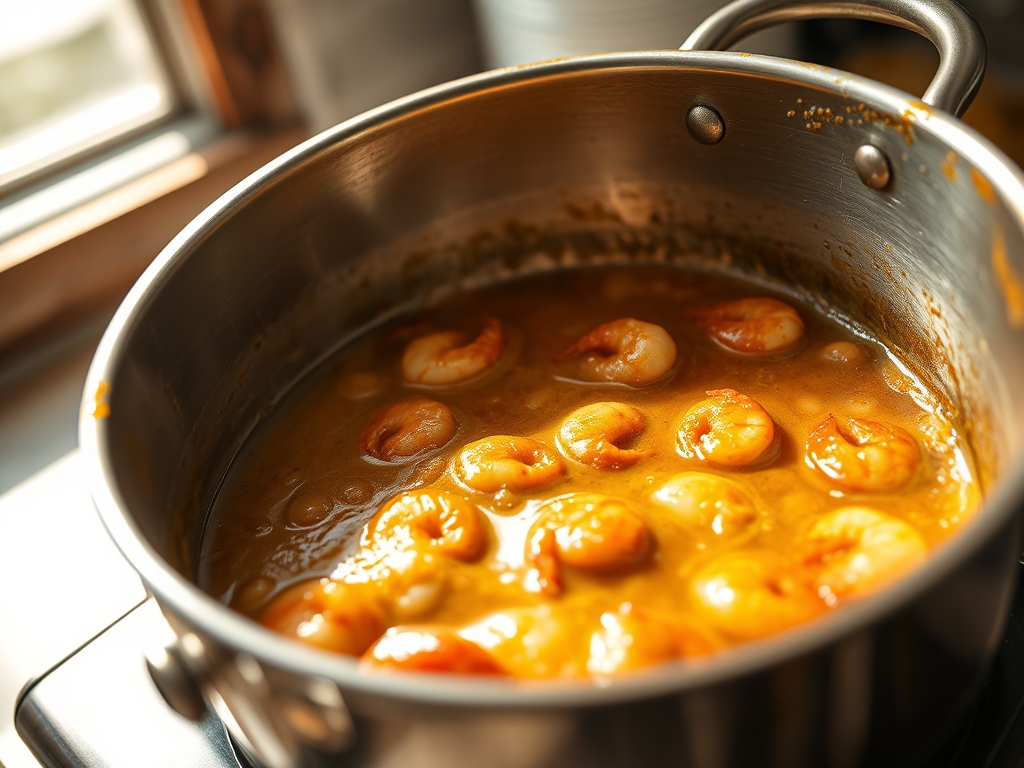
Place your sliced garlic and olive oil into a cold stainless steel saucier. Turn the heat to medium-low. By starting cold, you allow the garlic to render its aromatic compounds into the fat slowly without the risk of immediate surface browning. Use a digital thermometer to monitor the oil; you are looking for a gentle bubble, not a violent roil.
Pro Tip: This slow heating process prevents the garlic from becoming "skunky." The goal is a sweet, nutty profile. Using a heavy-bottomed pan ensures even heat distribution, preventing "hot spots" that cause localized burning.
Step 2: The Capsaicin Activation
Once the garlic edges show the slightest hint of gold, introduce the red pepper flakes. This allows the capsaicin to become fat-soluble, spreading the heat evenly throughout the dish rather than in isolated bites. Maintain the temperature at approximately 130C (265F).
Pro Tip: Use a bench scraper to move your prepped ingredients from the board to the pan efficiently. This keeps your workstation clean and ensures all ingredients hit the heat at the same time for uniform extraction.
Step 3: High-Velocity Searing
Increase the heat to medium-high. Pat your shrimp completely dry with paper towels. Excess surface moisture is the enemy of the Maillard reaction. Add the shrimp in a single layer. Do not crowd the pan, as this will drop the oil temperature and cause the shrimp to steam in their own juices.
Pro Tip: A dry protein surface is essential for a proper sear. If the oil temperature drops too low, the shrimp will release liquid, creating a gray, unappealing texture instead of a vibrant pink hue.
Step 4: The Deglaze and Emulsify
As the shrimp turn opaque (about 90 seconds per side), pour in the dry sherry and add the smoked paprika. The alcohol will deglaze the pan, lifting any caramelized bits. Swirl the pan vigorously to aerate the mixture, creating a temporary emulsion between the oil and the wine.
Pro Tip: Use a digital scale to pre-measure your liquids. Precision in the ratio of wine to oil ensures the sauce has enough body to coat a piece of crusty bread without feeling greasy.
Step 5: The Final Finish
Remove the pan from the heat while the shrimp still have a tiny translucent streak in the center. The residual heat of the oil will finish the cooking process. Fold in the fresh parsley and flaky salt. The parsley should wilt slightly but remain bright green.
Pro Tip: Carry-over cooking is a real physical phenomenon. If the shrimp look "done" in the pan, they will be overcooked by the time they reach the table. Trust the thermal mass of the oil.
Section B: Prep & Timing Fault-Lines:
The most common human error is the "Garlic Gap." This happens when the garlic is sliced too thin and the shrimp are added too late. If the garlic turns dark brown, it is over. You must discard the oil and start again; there is no chemical fix for burnt garlic. Another fault-line is "Moisture Contamination." If you wash your parsley and don't dry it, the water will hit the hot oil and cause "spitting," which not only creates a mess but also lowers the oil temperature, ruining the infusion and preventing the shrimp from searing.
THE VISUAL SPECTRUM
Section C: Thermal & Visual Troubleshooting:
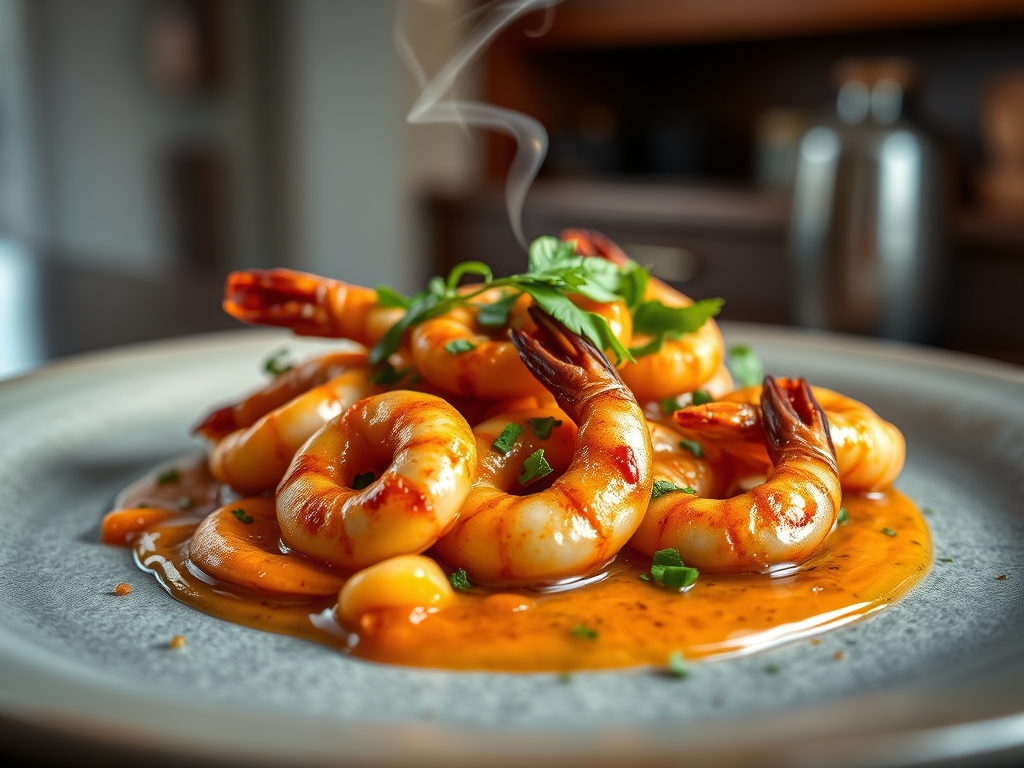
Look at the Masterclass photo above. Notice the "Golden Halo" around the garlic slices. If your garlic looks white, it hasn't been cooked long enough to develop sweetness. If it is dark brown, it will be bitter. The oil should have a reddish-orange tint from the paprika and pepper flakes, not a muddy brown color. If the oil looks cloudy, it means the emulsion of wine and fat has broken or you have too much moisture from the shrimp. To fix this, increase the heat for 10 seconds at the very end to boil off excess water. The shrimp should be curled into a "C" shape. An "O" shape indicates they are overcooked and have lost their internal structural integrity.
THE DEEP DIVE
Macro Nutrition Profile:
Per serving, this dish is a powerhouse of healthy fats and lean protein. You are looking at approximately 320 calories, with 22g of protein, 24g of fat (mostly monounsaturated), and less than 3g of carbohydrates. It is a high-density fuel source that prioritizes metabolic efficiency.
Dietary Swaps:
- Vegan: Replace shrimp with king oyster mushroom medallions. They have a similar density and absorb the garlic oil beautifully.
- Keto: This dish is naturally keto-compliant. Serve with roasted cauliflower instead of bread.
- GF: Ensure your smoked paprika is certified gluten-free, as some brands use flour as an anti-caking agent.
Meal Prep & Reheating Science:
Reheating shrimp is a delicate operation. To maintain the molecular structure, do not use a microwave. The localized agitation of water molecules will turn the protein into rubber. Instead, place the leftovers in a small pan over very low heat. Add a teaspoon of water and cover with a lid. This creates a steam-jacket effect that warms the shrimp without further denaturing the proteins.
THE KITCHEN TABLE
Why is my garlic bitter?
You likely over-browned it or used garlic with a green sprout. The "cold start" method and removing the germ are your best defenses against bitterness. Precision heat control is the only way to save the flavor profile.
Can I use frozen shrimp?
Yes, but they must be completely thawed and dried. Frozen shrimp often have a "sodium tripolyphosphate" coating that holds excess water. Rinse them thoroughly and brine them to restore the proper texture and snap.
What kind of wine is best?
Dry Spanish Sherry (Fino) is traditional because its acidity and nutty notes complement the olive oil. If unavailable, use a very dry white wine like Pinot Grigio. Avoid sweet wines, as the sugar will burn.
Why did my oil splash everywhere?
Water is the culprit. Whether it was on the shrimp, the parsley, or in the pan, water expands rapidly into steam when hitting hot oil. Ensure every component is bone-dry before it touches the fat.
How do I get that red oil color?
The color comes from high-quality Pimenton (Spanish smoked paprika). Add it at the very end of the cooking process so it toasts in the oil without burning, which preserves its vibrant red hue and smoky aroma.