The scent hits you before the steam even clears the rim of the jet burner. It is a volatile cocktail of cayenne, citrus, and sulfur; a piquant olfactory assault that signals the commencement of a true Louisiana Crawfish Boil. This is not merely a meal. It is a high-output thermal event that requires the precision of a chemical engineer and the soul of a bayou chef. We are talking about thirty pounds of live mudbugs undergoing a rapid phase change within a pressurized aqueous environment. The water must be a roiling, angry red, saturated with enough salt and spice to osmose through the chitinous armor of the crustacean. You are managing a complex ecosystem of starch, protein, and cellulose, ensuring the potatoes reach a creamy interior while the corn retains its structural snap. If the water temperature drops below the threshold for even a minute, the texture turns to mush. Success is measured in the silence that falls over the table as the first tray is dumped; a symphony of cracking shells and focused consumption.
THE DATA MATRIX
| Metric | Specification |
|---|---|
| Prep Time | 60 Minutes (Purge & Chop) |
| Execution Time | 45 Minutes |
| Yield | 10-12 Servings |
| Complexity (1-10) | 7 (Thermal Management Focus) |
| Estimated Cost per Serving | $12.00 – $18.00 USD |
THE GATHERS
Ingredient Protocol:
- 14 kg / 30 lbs Live Louisiana Crawfish
- 1.8 kg / 4 lbs Dry Crawfish Boil Spice Blend (Salt, Cayenne, Mustard Seed)
- 475 ml / 16 oz Liquid Concentrated Shrimp & Crab Boil
- 12 Large Lemons (Halved)
- 1.4 kg / 3 lbs Yellow Onions (Quartered)
- 1 kg / 2.2 lbs Garlic Bulbs (Halved Crosswise)
- 2.3 kg / 5 lbs Red Potatoes (Whole, Small)
- 12 Ears of Corn (Halved)
- 1.5 kg / 3.3 lbs Smoked Andouille Sausage (Sliced into 2-inch rounds)
- 450 g / 1 lb Salted Butter
- 115 g / 4 oz Cayenne Pepper (Optional for extra heat)
Section A: Ingredient Quality Audit:
The primary failure point in a Louisiana Crawfish Boil is the "dead loss" factor. If the crawfish are not lively upon arrival, the hepatopancreas (the fat) will begin to degrade, leading to a mealy texture. Audit your sack by spraying it down with cool water; any crustacean that does not react to the stimulus should be discarded immediately.
Sub-par spice blends often lack the necessary volatile oils to penetrate the shell. If your boil smells flat, you must infuse the water with additional aromatics. Add fresh smashed ginger or celery stalks to aerate the flavor profile. If the corn is starchy rather than sweet, it was likely harvested too late. A quick fix is to add 100g of granulated sugar to the boil to mimic the natural sweetness of peak-season kernels.
THE MASTERCLASS
Step 1: The Purge and Hydration Phase
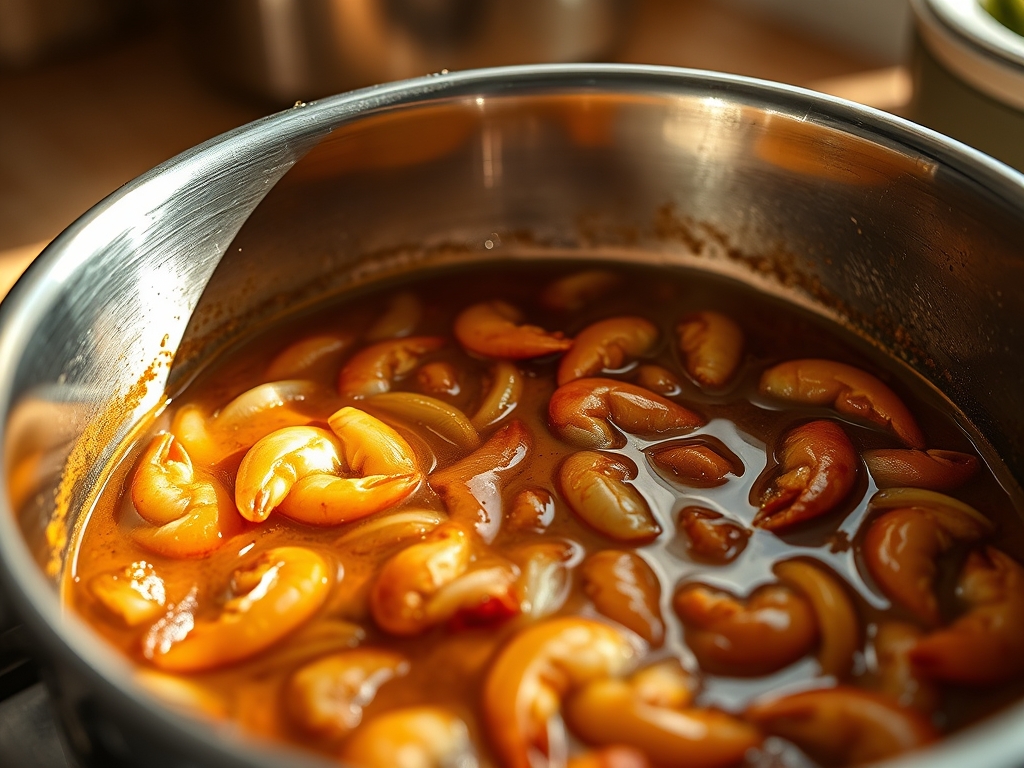
Place the live crawfish in a large wash tub and fill with cool water. Add a generous amount of salt to the water to induce a biological purge of the digestive tract. Use a bench scraper to stir the crawfish gently, ensuring silt and debris are dislodged from the underside of the tail. Drain and repeat until the water runs clear.
Pro Tip: The salt does not actually "clean" the inside of the crawfish as much as it acts as a mild irritant to stimulate movement. Use a digital scale to ensure you are using a 2 percent salt-to-water ratio for the most effective purge without killing the specimens.
Step 2: Thermal Saturation of the Base
Fill your 80-quart pot halfway with water and ignite the jet burner. Add your dry spices, liquid concentrate, halved lemons, onions, and garlic. Bring this mixture to a violent, rolling boil. This is the stage where you infuse the liquid with the soul of the dish. Let the aromatics boil for 15 minutes before adding any solids.
Pro Tip: Use a high-accuracy infrared thermometer to monitor the pot walls. You want the liquid to reach a steady 212 degrees Fahrenheit (100 degrees Celsius) before the first potato hits the water to ensure the spices have fully dissolved and integrated.
Step 3: Sequential Density Loading
Add the potatoes and the smoked Andouille sausage first. These require the longest thermal exposure to render the fats from the sausage and soften the starch in the potatoes. After 10 minutes, add the corn. After another 5 minutes, you are ready for the main event.
Pro Tip: Using a saucier or a small ladle, taste the boiling liquid (carefully). It should be overly salty and spicy. The crawfish will only absorb a fraction of this intensity during their brief immersion.
Step 4: The Flash Boil and The Soak
Dump the purged crawfish into the boiling basket. Once the water returns to a boil, set a timer for exactly 2 minutes. After 2 minutes, shut off the gas immediately. This is the most critical juncture. Add the butter and a bag of ice to the top of the pot to drop the temperature quickly. This creates a vacuum effect, forcing the seasoned liquid inside the shells.
Pro Tip: The "Soak" is where the magic happens. By dropping the temperature, you stop the cooking process but allow the viscous seasoned fat to penetrate the meat. Use a long-handled paddle to submerge the floating crawfish periodically.
Section B: Prep & Timing Fault-Lines:
The most common error is the "Rubber Tail Syndrome," caused by overcooking the protein. If the meat is difficult to remove from the shell, the internal proteins have tightened too much due to excessive heat. Conversely, if the potatoes are crunchy, you failed to account for the "Cold Load" effect; adding thirty pounds of room-temperature crawfish will plummet the water temperature. You must ensure the burner is at max output to recover that heat within 5 minutes. Use a stopwatch to track the "Recovery Time" to prevent timing drift.
THE VISUAL SPECTRUM
Section C: Thermal & Visual Troubleshooting:
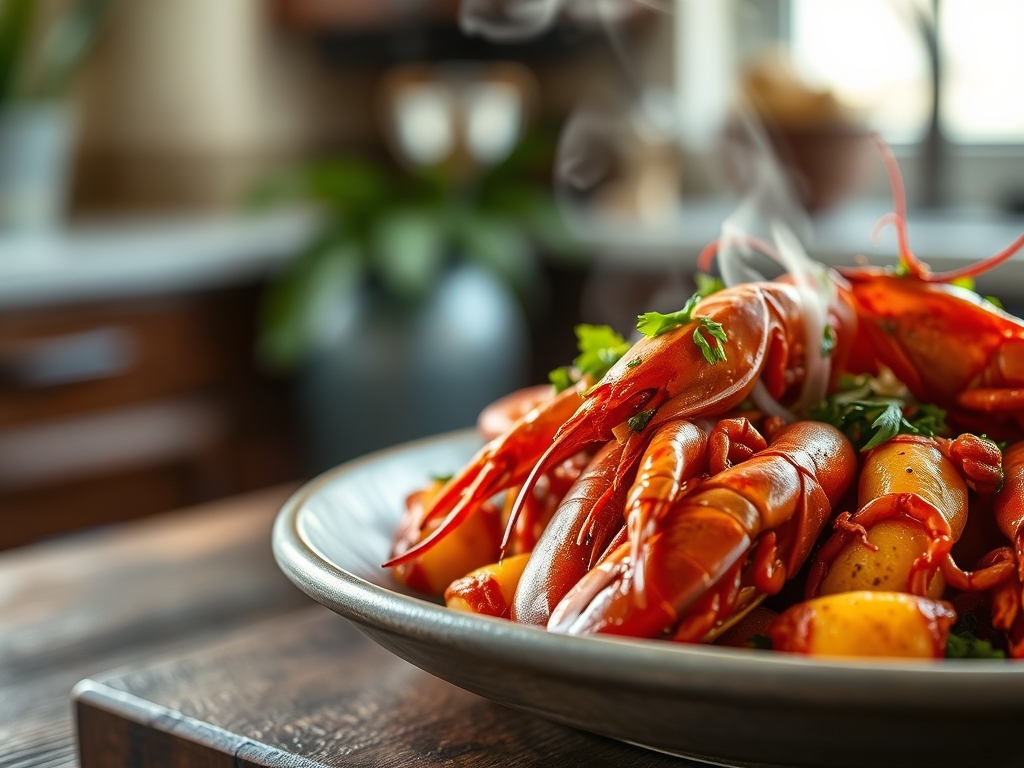
Look closely at the Masterclass photo. You will notice the crawfish exhibit a bright, vibrant crimson hue with no dark spotting. If your crawfish appear dull or brownish, the water was likely "dirty" with unwashed silt or you overused old, oxidized spices. The corn should be bright yellow; if it appears shriveled, it stayed in the hot soak too long.
The potatoes in the image show a slight sheen. This is achieved by the addition of butter during the soak, which creates a thin emulsification on the surface of the vegetables. If your vegetables look dry, you skipped the fat-addition step. Finally, the onions should be translucent but still holding their shape. If they have disintegrated, your initial "Base Boil" was too aggressive.
THE DEEP DIVE
Macro Nutrition Profile:
Crawfish are a high-protein, low-fat fuel source. A standard serving (approximately 3 lbs of whole crawfish) yields about 45g of protein and only 3g of fat. However, the sodium content is exceptionally high due to the spice saturation. The potatoes and corn provide the necessary complex carbohydrates to balance the piquant heat.
Dietary Swaps:
- Vegan: Replace crawfish with extra-firm tofu blocks (added during the soak) and use vegan butter. Increase the mushroom count to provide umami.
- Keto: Eliminate the potatoes and corn. Replace with cauliflower florets and whole mushrooms.
- Gluten-Free: Most Louisiana Crawfish Boils are naturally GF, but always audit the liquid concentrate for hidden wheat-based thickeners.
Meal Prep & Reheating Science:
To maintain the molecular structure of the crawfish, never microwave them. This will turn the protein into rubber. Instead, use a gentle steam method. Place leftover crawfish in a steamer basket over simmering water for 3 to 4 minutes. This re-hydrates the meat without further denaturing the proteins.
THE KITCHEN TABLE
How do I know when the crawfish are done soaking?
Pull a sample crawfish and check the "sink test." If the crawfish has absorbed enough liquid to sink to the bottom of the pot, it is fully saturated with flavor and ready to be served.
Why is my corn mushy?
You likely added the corn at the same time as the potatoes. Corn only needs about 7 to 10 minutes of total thermal exposure. Always add it toward the end of the boiling cycle to maintain its structural integrity.
Can I use frozen crawfish for this recipe?
You can, but the "Soak" becomes dangerous. Frozen crawfish are often pre-cooked. If you boil them, they will become inedible. Only add frozen, pre-cooked crawfish during the cooling/soak phase to prevent over-processing the delicate meat.
What is the best way to peel a crawfish quickly?
Pinch the tail at the base, twist the head off, and peel the first two rings of the shell. Tugging the tail meat while squeezing the very end of the tail will usually result in a clean, whole-meat extraction.