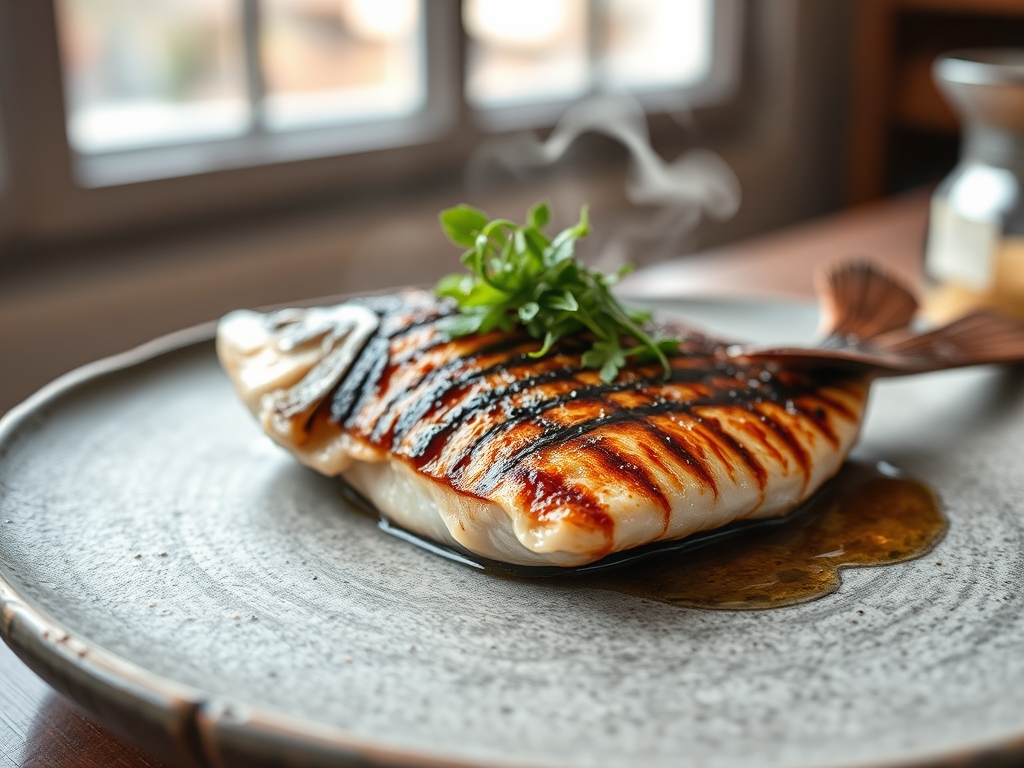
The air in a high performance kitchen does not just carry scent; it carries data. When you drop a salt cured fillet onto a screaming hot surface, you are not just cooking. You are initiating a high velocity lipid rendering process that defines the peak of Korean Grilled Mackerel. Listen for the aggressive hiss of moisture escaping the skin. Watch for the smoke point of the omega 3 fatty acids as they transform into a crisp, golden armor. This is the art of the char. We are looking for a specific structural integrity where the skin shatters like glass while the interior remains a viscous, oil rich sanctuary of flavor. Forget the limp, soggy fish of amateur hour. We are auditing the thermal physics of the Maillard reaction to ensure every millimeter of that blue skinned powerhouse is optimized for maximum umami output. This is technical soul food. It is loud, it is pungent, and when executed with precision, it is the undisputed heavyweight champion of the seafood world.
THE DATA MATRIX
| Metric | Specification |
|---|---|
| Prep Time | 20 Minutes |
| Execution Time | 12 Minutes |
| Yield | 2 Servings |
| Complexity | 4 / 10 |
| Estimated Cost per Serving | $6.50 – $9.00 |
THE GATHERS
Ingredient Protocol:
- 2 Large Mackerel Fillets (approx. 400g / 14oz); butterfly cut preferred.
- 15g / 1 tbsp Coarse Sea Salt (non-iodized).
- 30ml / 2 tbsp Neutral High-Smoke Point Oil (Grapeseed or Avocado).
- 100g / 3.5oz Daikon Radish; finely grated for the garnish.
- 15ml / 1 tbsp Soy Sauce (low sodium preferred).
- 1/2 Lemon; sliced into wedges for acidity balance.
- 5g / 1 tsp Toasted Sesame Seeds.
Section A: Ingredient Quality Audit:
The primary failure point in Korean Grilled Mackerel is cellular degradation due to improper freezing. If your mackerel arrives with cloudy eyes or a soft, mushy texture, the lipid structure has already begun to oxidize. To fix sub-par fish, perform a "brine reset." Submerge the fillets in a 5% salt solution for 10 minutes to firm up the proteins. If the skin feels excessively slimy, use a bench scraper to gently remove excess mucus before salting. This ensures the heat hits the skin directly rather than boiling the surface moisture.
THE MASTERCLASS
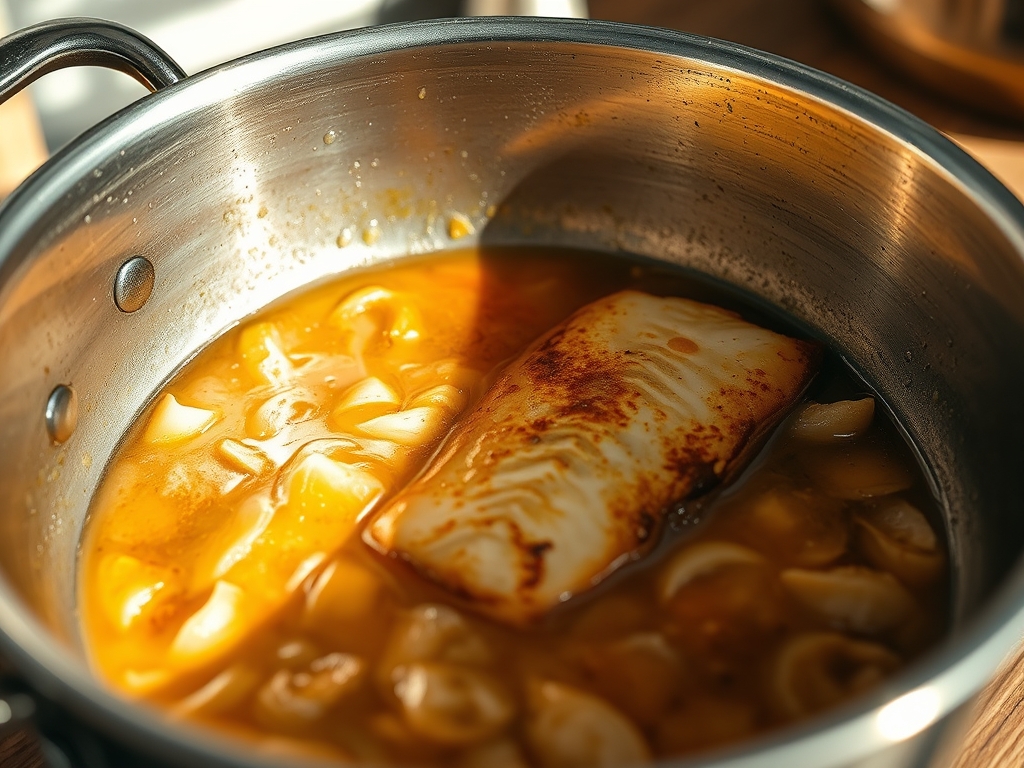
1. The Desiccation Phase
Pat the fillets dry using industrial grade paper towels until the surface is matte. Use a digital scale to measure your salt precisely. Sprinkle the sea salt from a height of twelve inches to ensure even distribution across the skin and flesh. Let the fish sit at room temperature for 15 minutes.
Pro Tip: This phase utilizes osmosis to draw out internal moisture. By removing surface water, you prevent the formation of steam, allowing the Maillard reaction to occur immediately upon contact with the pan.
2. Thermal Priming
Place a heavy bottomed cast iron skillet or a professional grade carbon steel pan over medium high heat. Add your neutral oil. You are looking for the "shimmer" effect where the oil becomes less viscous and moves like water across the surface.
Pro Tip: Use an infrared thermometer to verify a surface temperature of 400F (204C). At this temperature, the lipids in the mackerel skin will render efficiently without the oil breaking down into acrid compounds.
3. The Skin Side Deployment
Lay the fillets skin side down, pressing firmly with a flexible fish spatula for the first 30 seconds. This prevents the natural protein contraction from curling the fish, which would result in uneven browning. Do not move the fish. Let the infrastructure build.
Pro Tip: Pressing the fish ensures 100% surface area contact. Professional chefs use a heavy weight or a secondary smaller skillet to maintain flat contact, ensuring the skin becomes a uniform sheet of crisp parchment.
4. The Flip and Finish
Once the skin is dark gold and releases easily from the pan, flip the fillets. Cook the flesh side for only 2 to 3 minutes. The goal is to keep the interior succulent and infused with its own natural oils.
Pro Tip: Use a digital probe thermometer to pull the fish at an internal temperature of 140F (60C). The carryover heat will bring it to the perfect 145F (63C) while resting, preventing the "chalky" texture of overcooked mackerel.
Section B: Prep & Timing Fault-Lines:
The most common human error is "pan crowding." If you attempt to cook four fillets in a small skillet, the ambient temperature drops, and the fish begins to poach in its own juices. Audit your equipment: if the pan is too small, cook in batches. Another timing fault is the "early flip." If the skin sticks, the chemical bond between the protein and the metal hasn't broken yet. Wait for the natural release.
THE VISUAL SPECTRUM
Section C: Thermal & Visual Troubleshooting:
Referencing the Masterclass photo, your final product should exhibit a deep, mahogany char with visible salt crystals embedded in the skin. If your fish looks pale or grey, your heat was too low; increase the BTU output next time. If the skin is burnt but the flesh is raw, your pan was too hot; move the pan off the burner periodically to manage the thermal load. The grated daikon should be snowy white; if it looks yellow, it has oxidized. Grate it fresh at the moment of service to maintain that piquant bite.
THE DEEP DIVE
Macro Nutrition Profile:
Mackerel is a nutritional powerhouse. A single serving provides approximately 350 calories, 25g of high quality protein, and 28g of fats. Crucially, it is loaded with EPA and DHA omega 3 fatty acids, which support cardiovascular health and cognitive function.
Dietary Swaps:
- Vegan: This technique is difficult to replicate with plants, but "Banana Blossom" can be salt charred to mimic the flaky texture, though the lipid profile will be missing.
- Keto: This dish is naturally keto-perfect. Serve with cauliflower rice instead of white rice.
- GF: Ensure your soy sauce is replaced with Tamari or Coconut Aminos to avoid gluten contamination.
Meal Prep & Reheating Science:
Mackerel has a high oil content, making it prone to "fishy" odors when reheated. To maintain molecular structure, avoid the microwave. Reheat in a toaster oven at 350F (175C) for 5 minutes. This re-crisps the skin and prevents the fats from becoming aerate and unpalatable.
THE KITCHEN TABLE
Why does my mackerel smell so strong?
Mackerel is an oily fish. Freshness is key. To mitigate the scent, soak the fillets in milk or rice water for 15 minutes before cooking to neutralize trimethylamine, the compound responsible for the "fishy" aroma.
Can I use a non-stick pan?
You can, but you lose the aggressive sear. High carbon steel or cast iron provides better heat retention, which is essential for that signature salt charred crust that defines high quality Korean Grilled Mackerel.
Why add daikon radish on the side?
Daikon contains digestive enzymes like protease and amylase. It acts as a biological "degreaser" for your palate, cutting through the heavy, viscous oils of the fish and aiding in the digestion of the dense protein.
Is the skin actually edible?
The skin is the best part. When rendered correctly, it contains the highest concentration of omega 3s and provides a structural contrast to the tender meat. If it is not crispy, you have failed the technical audit.