Imagine the olfactory equivalent of a thunderclap. We are talking about the deep, fermented resonance of Japanese Miso Paste; a substance that acts as the foundational hardware for the entire flavor architecture of the East. This is not merely a condiment. It is a biological engine. When you peel back the lid of a high quality shiro or aka miso, you are witnessing the aftermath of a microscopic war where Aspergillus oryzae has systematically dismantled soy proteins into a piquant slurry of glutamates. The aroma is heavy with salt, earth, and a sweetness that borders on the medicinal. As an auditor of culinary infrastructure, I demand more than just "salty bean juice." I want a viscous, complex emulsion that can stand up to the high heat of a professional range. We are here to master the proteolysis, to harness the enzymatic power of the koji mold, and to ensure your kitchen operates at peak umami efficiency. Let us strip away the amateur guesswork and rebuild your understanding of this fermented powerhouse from the molecular level upward.
THE DATA MATRIX
| Metric | Specification |
|---|---|
| Prep Time | 15 Minutes |
| Execution Time | 25 Minutes |
| Yield | 4 Servings |
| Complexity (1-10) | 4 |
| Estimated Cost per Serving | $3.50 |
THE GATHERS
Ingredient Protocol:
- 500g / 1.1 lbs Sustainable Firm Tofu (Cubed)
- 120ml / 0.5 cup Japanese Miso Paste (Red or White)
- 30ml / 2 tbsp Mirin (Hon-Mirin preferred)
- 15ml / 1 tbsp Toasted Sesame Oil
- 10g / 2 tsp Fresh Ginger (Microplaned)
- 200g / 7 oz Shiitake Mushrooms (Sliced)
- 500ml / 2.1 cups Dashi Stock (Kombu and Katsuobushi base)
- 20g / 0.7 oz Scallions (Finely biased)
Section A: Ingredient Quality Audit:
The primary failure point in this infrastructure is the quality of the Japanese Miso Paste. If your paste smells strictly of alcohol or has a one-dimensional salt profile, it is likely a mass-produced "quick" miso. Technical fix: Look for "unpasteurized" or "live" labels. These contain active enzymes that will continue to develop flavor. If your dashi lacks depth, you are likely boiling the kombu for too long, which releases bitter tannins. Audit your water temperature; it should never exceed 80 degrees Celsius before the kelp is removed. If using a vegan substitute for dashi, ensure you use dried shiitake soaking liquid to maintain the necessary nucleotide count for umami synergy.
THE MASTERCLASS
1. Hydration and Emulsification Strategy
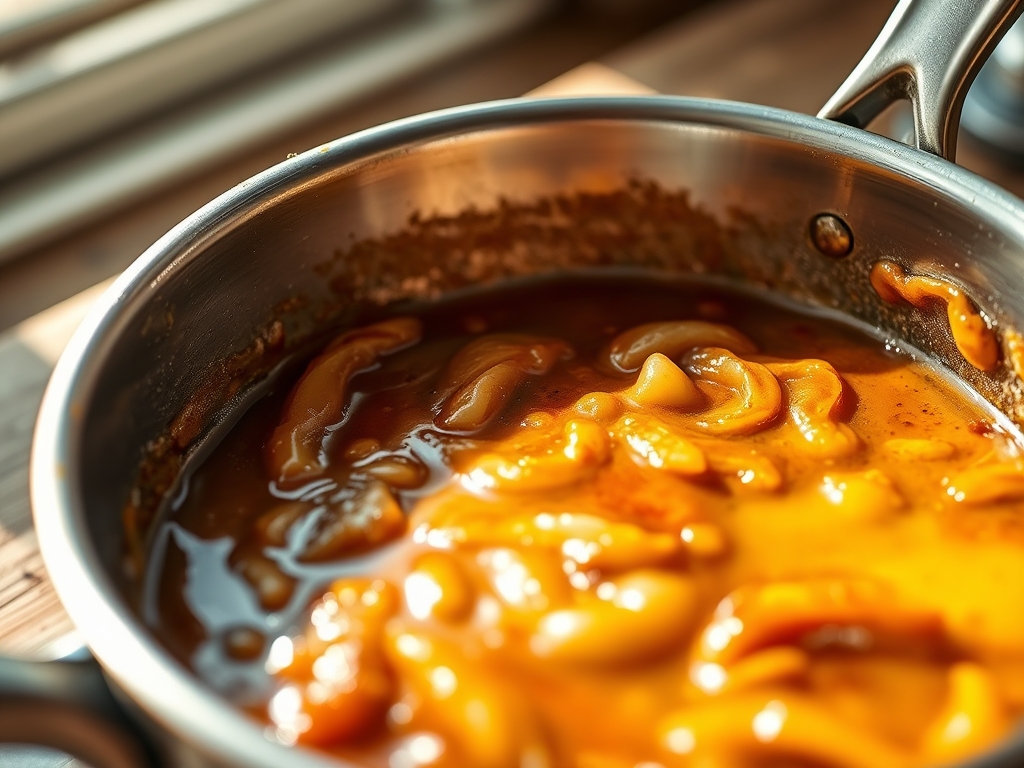
Place your Japanese Miso Paste into a small stainless steel mixing bowl. Gradually introduce 60ml of warm dashi while whisking vigorously. Do not dump the paste directly into the large pot.
Pro Tip: This technique prevents "miso clumps" and ensures a perfectly viscous consistency. Using a small silicone whisk or a professional saucier allows you to aerate the mixture, ensuring the solids are fully suspended in the liquid phase before integration.
2. The Mushroom Reduction
Heat your heavy-bottomed skillet or wok over medium-high heat. Add the sesame oil and the sliced shiitake mushrooms. Sauté until the edges begin to crisp and turn golden brown.
Pro Tip: This is where we render the moisture out of the fungi to concentrate their natural glutamates. Use a bench scraper to keep the mushrooms moving, ensuring even heat distribution. The goal is a Maillard reaction that provides a textural contrast to the soft tofu.
3. Protein Integration and Infusion
Add the cubed tofu and the microplaned ginger to the skillet. Deglaze the pan with the mirin, scraping up any browned bits from the bottom.
Pro Tip: Mirin acts as a chemical bridge between the fats and the proteins. As you deglaze, the sugars in the mirin will infuse the tofu with a subtle sweetness that balances the intense salinity of the fermented soy. Use a digital scale to ensure your mirin ratio does not overwhelm the delicate ginger notes.
4. Controlled Thermal Finalization
Reduce the heat to a simmer. Pour in the remaining dashi stock and bring the temperature to exactly 85 degrees Celsius. Turn off the heat entirely before whisking in the prepared miso slurry.
Pro Tip: High heat is the enemy of fermented flavor. Boiling the Japanese Miso Paste will denature the delicate proteins and kill the aromatic complexity. Use an instant-read thermometer to verify you are below the boiling point. This preserves the "live" quality of the fermentation.
Section B: Prep & Timing Fault-Lines:
The most common human error is the "boil-over" or "scorch" during the final integration. If you leave the heat on after adding the miso, the mixture will separate, leaving a grainy residue at the bottom of the bowl. Another timing error involves the ginger; if added too early to a dry pan, the volatile oils will burn, turning the dish bitter. Fix this by ensuring the ginger is always introduced alongside a liquid or fat to buffer the thermal impact.
THE VISUAL SPECTRUM
Section C: Thermal & Visual Troubleshooting:
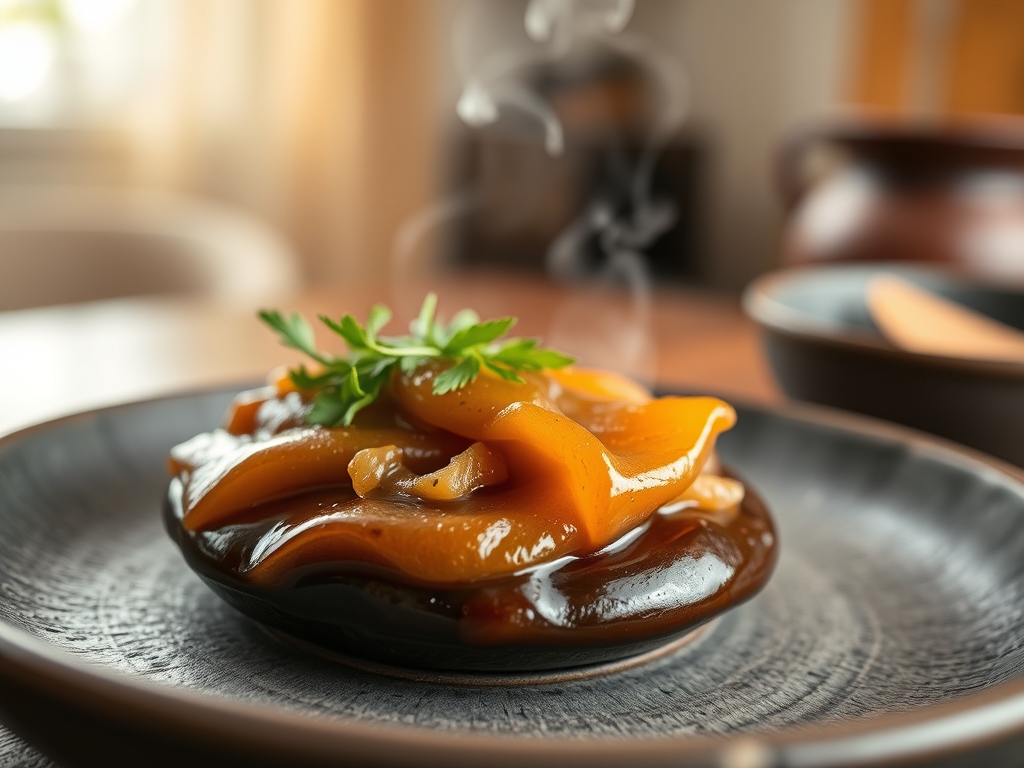
Referencing the Masterclass photo, your final output should exhibit a rich, opaque mahogany or creamy tan hue depending on your choice of Japanese Miso Paste. If the liquid looks translucent or "thin," your emulsion has failed; you likely added too much dashi too quickly. If the tofu looks grey rather than vibrant, your searing phase was insufficient. The scallions should be added at the absolute last second to provide a neon green contrast against the deep browns of the broth. If the mushrooms look slimy, you crowded the pan during the sauté phase, causing them to steam in their own juices rather than brown.
THE DEEP DIVE
Macro Nutrition Profile
A standard serving of this miso-based infrastructure provides approximately 180 calories. It is a protein-dense matrix with roughly 12g of protein, 8g of healthy fats (primarily polyunsaturated), and 14g of carbohydrates. The sodium content is high, necessitating a balanced intake of potassium-rich sides.
Dietary Swaps
- Vegan: This recipe is naturally vegan if using a kombu-only dashi.
- Keto: Replace the mirin with a splash of rice vinegar and a pinch of erythritol to reduce the glycemic load.
- GF: Ensure your Japanese Miso Paste is labeled "gluten-free," as some varieties use barley (mugi miso) or rye as a starter grain.
Meal Prep & Reheating Science
To maintain the molecular structure, never microwave miso-based dishes on high power. This causes the water molecules to vibrate violently, tearing the protein suspension apart. Reheat gently on the stovetop over low heat, stirring constantly to re-emulsify the fats.
THE KITCHEN TABLE
Why does my miso soup separate after five minutes?
Miso is a suspension, not a permanent solution. The particulate matter is heavier than the dashi. A quick stir with a spoon will re-incorporate the solids. High-quality paste with more protein density tends to stay suspended longer.
Can I use red and white miso together?
Absolutely. This is known as "Awase" miso. It provides the high-frequency floral notes of white miso with the deep, bass-heavy resonance of red miso. It is the professional's choice for a complex, balanced flavor profile.
How long does Japanese Miso Paste stay viable?
Due to the high salt content and fermentation, miso is incredibly stable. It can last for up to a year in the refrigerator. Ensure the surface is covered with plastic wrap to prevent oxidation and darkening.
Is the white mold on my miso dangerous?
Usually, no. It is often just salt crystallization or harmless yeast. However, if the growth is fuzzy, colorful, or smells putrid rather than fermented, the batch has been compromised by external pathogens. When in doubt, discard it.