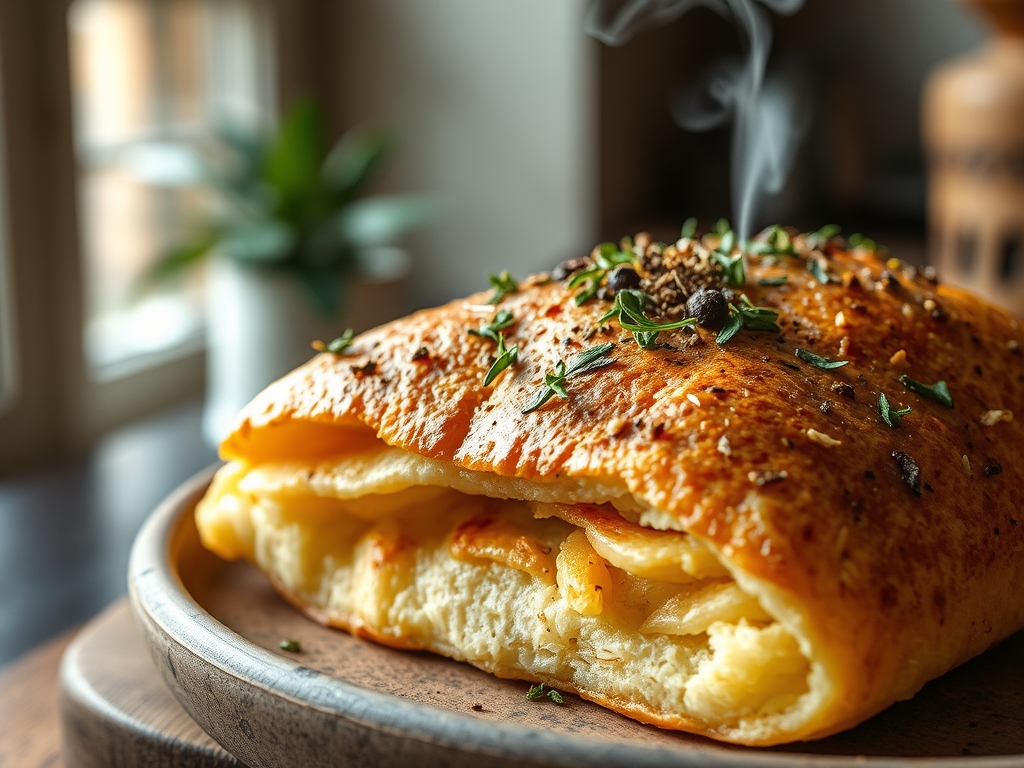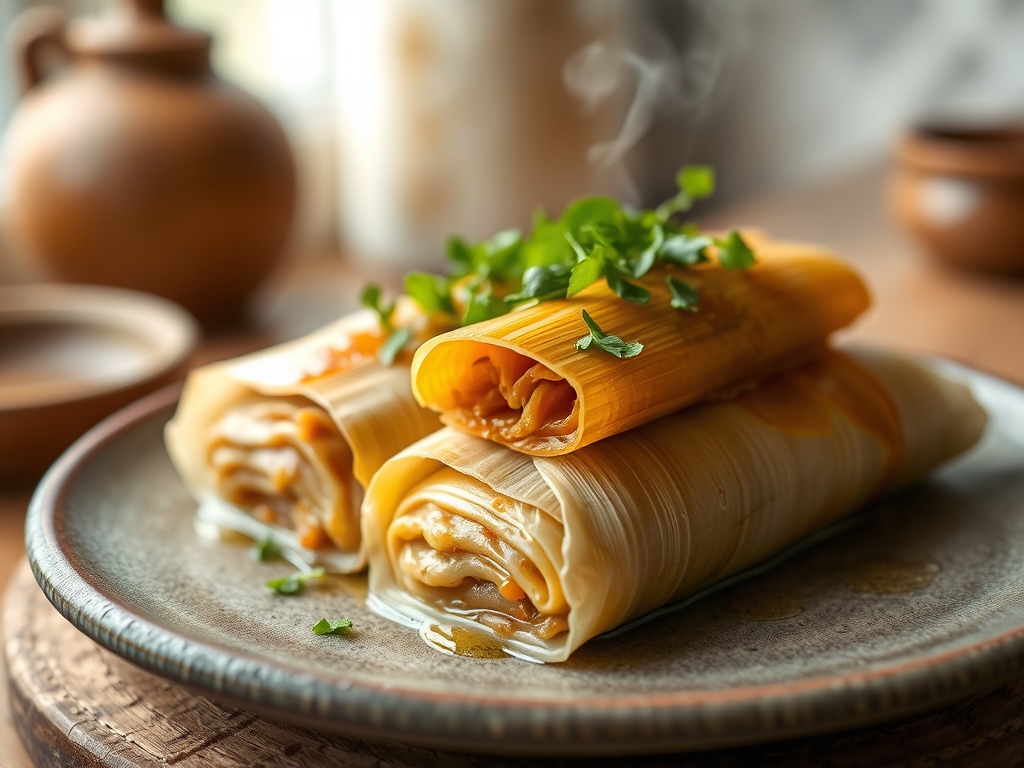
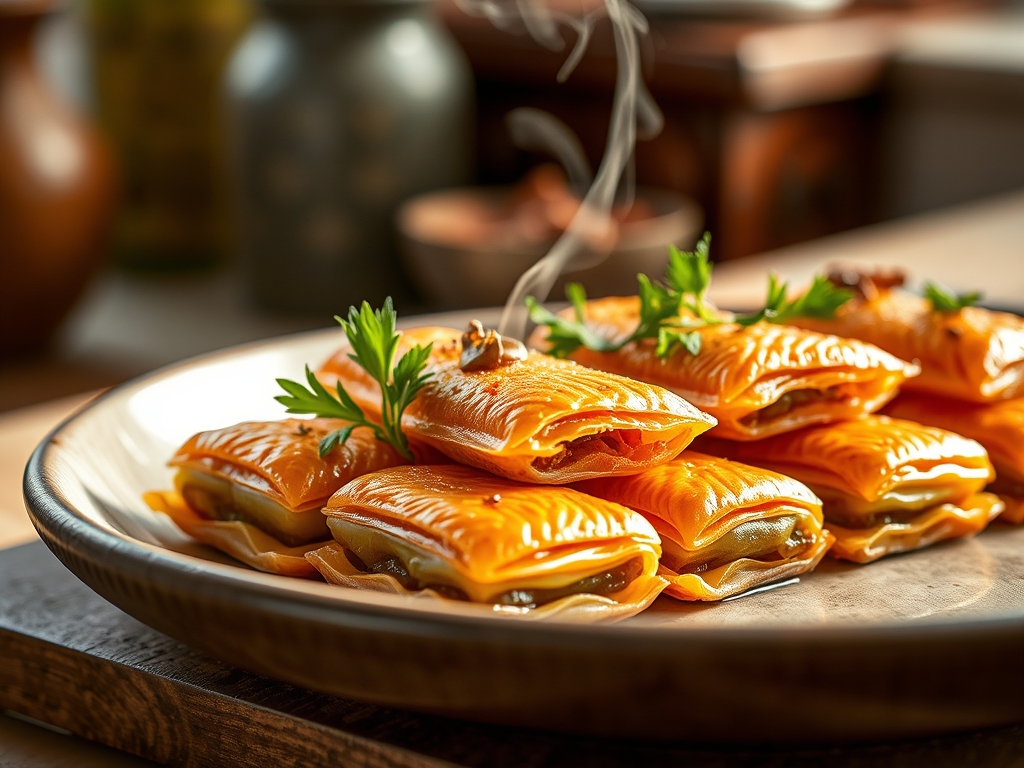
Listen to the sound of forty layers of paper-thin dough shattering under the pressure of a silver fork. This is not merely dessert; this is a structural marvel engineered in the imperial kitchens of Topkapi Palace. Ottoman Baklava is the gold standard of pastry architecture, requiring a level of precision that would make a civil engineer sweat. We are talking about the delicate balance of clarified lipids, high-protein flour, and the osmotic pressure of a perfectly calibrated sugar syrup. When you bite into a master-grade piece, you are experiencing a symphony of textures: the crisp, glass-like snap of the upper laminates, the tender, butter-soaked middle strata, and the crunch of toasted pistachios that have been ground to a specific micron size. This is a high-stakes culinary operation where temperature control is everything and the margin for error is thinner than the dough itself. If you are looking for a soggy, overly sweet sponge, look elsewhere. We are here to audit the crunch, the clarity of the syrup, and the structural integrity of the nut-to-pastry ratio.
THE DATA MATRIX
| Metric | Specification |
|---|---|
| Prep Time | 90 Minutes |
| Execution Time | 60 Minutes |
| Yield | 36 Diamonds |
| Complexity (1-10) | 9 |
| Estimated Cost per Serving | $1.45 |
THE GATHERS
Ingredient Protocol:
- Phyllo Dough (Handmade or Premium Grade): 454g / 1 lb
- Clarified Butter (Ghee): 340g / 1.5 cups
- Shelled Pistachios or Walnuts: 300g / 2.5 cups
- Granulated Sugar: 400g / 2 cups
- Filtered Water: 235ml / 1 cup
- Fresh Lemon Juice: 15ml / 1 tbsp
- Orange Blossom Water: 5ml / 1 tsp
- Cinnamon (Ground): 2g / 0.5 tsp
Section A: Ingredient Quality Audit:
The most common failure point in Ottoman Baklava is the moisture content of the butter. Standard commercial butter contains up to 18 percent water; if you do not render this down into pure anhydrous milk fat (clarified butter), the steam will hydrate the starch in the dough, resulting in a rubbery texture rather than a crisp shatter. If your nuts smell slightly "off," they have oxidized. To fix this, briefly toast them at 150C to infuse the oils back into the meat, but do not over-brown them, or the bitterness will overwhelm the delicate syrup. Finally, if your sugar syrup crystallizes, you likely skipped the acid. Lemon juice acts as an invertase agent, breaking sucrose into glucose and fructose to ensure a viscous, smooth finish that never turns back into grit.
THE MASTERCLASS
Step 1: The Lipid Clarification
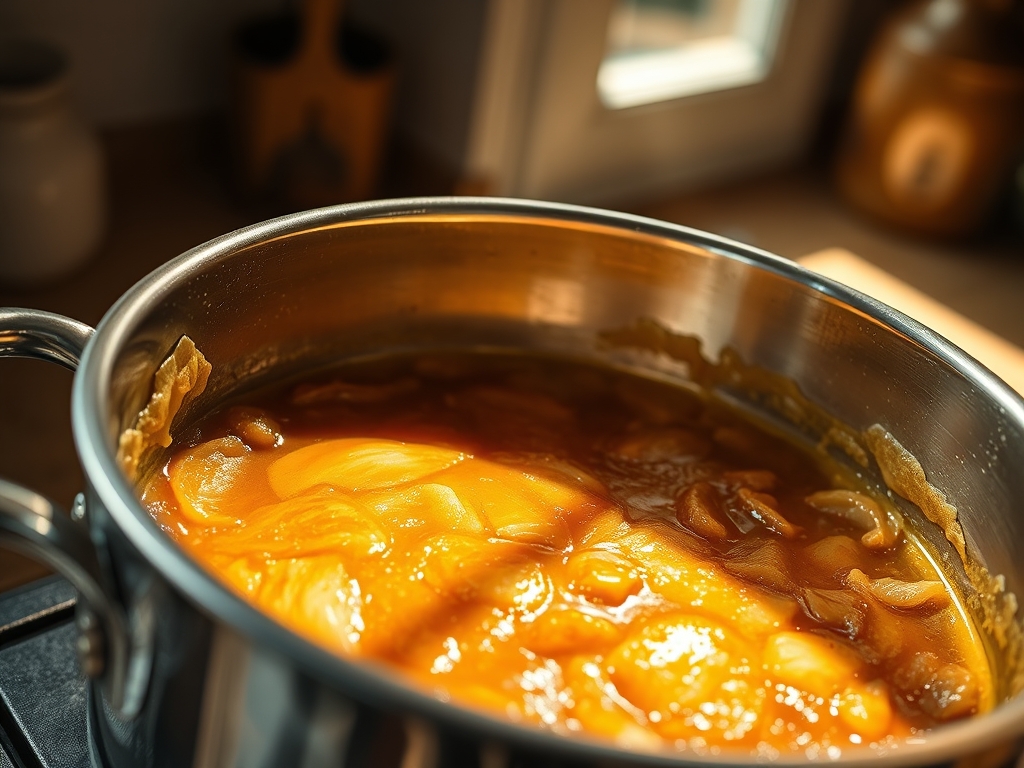
Place your butter in a heavy-bottomed saucier over low heat. Allow the water to evaporate and the milk solids to settle. Carefully strain the golden liquid through a fine-mesh sieve lined with cheesecloth.
Pro Tip: Using a digital scale to measure your final yield of clarified butter ensures you have the exact 1:1.3 ratio of fat to dough required for optimal lamination. The science here is simple: pure fat prevents gluten strands from bonding, ensuring the layers stay distinct.
Step 2: Nut Matrix Calibration
Pulse your pistachios in a food processor until they are roughly the size of coarse sea salt. You want a mix of fine dust to act as "glue" and larger chunks for mechanical crunch. Mix with cinnamon.
Pro Tip: Use a bench scraper to clear your workstation of any nut dust before handling the phyllo. Stray particles can puncture the delicate dough sheets, leading to structural collapse during the baking phase.
Step 3: The Laminate Assembly
Brush your baking pan with butter. Lay down two sheets of phyllo, brush with butter, and repeat until you have reached 15 layers. Spread the nut mixture evenly across the surface. Top with the remaining sheets, buttering every second layer.
Pro Tip: To aerate the layers, use a pastry brush with natural bristles. Synthetic bristles often dump too much fat in one spot, which "glues" the sheets together instead of allowing them to puff and separate.
Step 4: The Precision Incision
Using a surgically sharp chef knife, cut the baklava into diamond patterns before baking. You must slice all the way to the bottom of the pan.
Pro Tip: Chilling the assembled pan in the freezer for 10 minutes before cutting makes the dough more rigid. This allows for cleaner lines and prevents the knife from dragging the delicate upper layers, preserving the visual geometry seen in the audit photo.
Step 5: Thermal Execution
Bake at 165C (325F) for approximately 50 to 60 minutes. You are looking for a deep, rhythmic golden hue, not just a surface tan.
Pro Tip: Rotate the pan 180 degrees halfway through. Even the best convection ovens have "dead zones." Consistent heat is required to render the fat completely and ensure the center layers are as crisp as the edges.
Step 6: The Osmotic Shock
While the baklava is hot, pour the cooled syrup over it. It should sizzle. This temperature differential allows the syrup to be drawn into the core of the pastry via capillary action.
Pro Tip: Never pour hot syrup on hot baklava. This causes the starch to gelatinize instantly, resulting in a soggy mess. The cooled syrup maintains the structural integrity of the fried dough while providing that essential viscous mouthfeel.
Section B: Prep & Timing Fault-Lines:
The most frequent human error is "Phyllo Desiccation." If you leave your dough uncovered for more than three minutes, it loses its elasticity and becomes brittle. Always keep a damp (not soaking) towel over your stack. Another timing error is the "Syrup Rush." If you do not let the baklava rest for at least six hours after the syrup application, the flavors will not have time to infuse into the nut matrix, and the layers will slide apart when served.
THE VISUAL SPECTRUM
Section C: Thermal & Visual Troubleshooting:
Look closely at the reference image. The top layer should possess a "glassine" sheen, indicating that the sugar has properly set without crystallizing. If your baklava looks dull or matte, your syrup was likely too thin; boil it longer next time to increase the sugar concentration. If the edges are dark but the center is pale, your oven temperature was too high, causing the exterior to undergo the Maillard reaction before the interior could dehydrate. For that vibrant green pop seen in the photo, reserve a handful of raw, finely ground pistachios to sprinkle on top only after the syrup has been applied; this prevents the oven heat from browning the chlorophyll in the nuts.
THE DEEP DIVE
Macro Nutrition Profile:
Ottoman Baklava is an energy-dense fuel source. Per serving, expect approximately 320 calories, 18g of fats (primarily monounsaturated from nuts and saturated from butter), 35g of carbohydrates, and 4g of protein. It is a high-glycemic treat designed for celebration, not daily consumption.
Dietary Swaps:
- Vegan: Replace clarified butter with a high-quality refined coconut oil or a vegan "butter" with low water content. Use agave or a light maple syrup in place of honey-based syrups.
- Keto: This is a challenge. Use almond flour sheets (though they lack the shatter) and an erythritol-based syrup. Note: The texture will be significantly softer.
- GF: Use gluten-free phyllo alternatives, typically made from rice flour. Be prepared for a more fragile handling process.
Meal Prep & Reheating Science:
Baklava is one of the few pastries that improves with age. Store it at room temperature, uncovered or loosely draped with a paper towel. Never refrigerate; the cold temperature causes the fats to solidify and the sugar to attract moisture from the air, destroying the crunch. To revive "tired" baklava, a 5-minute stint in a 150C oven will render the fats slightly and crisp the edges.
THE KITCHEN TABLE
Why is my baklava swimming in syrup at the bottom?
This indicates an "Osmotic Mismatch." Either the syrup was too thin or you applied too much. The pastry can only absorb a finite amount of liquid. Next time, measure your syrup volume more strictly against the dough weight.
Can I use margarine instead of clarified butter?
Negative. Margarine contains emulsifiers and high water content that will steam the dough. For the authentic Ottoman shatter, you need the high smoke point and pure fat content of clarified butter or ghee.
My layers are separating and sliding off each other. What happened?
You likely over-buttered the layers or didn't cut the diamonds deep enough before baking. The cuts act as "anchors" that allow the syrup to penetrate and bind the layers together during the cooling phase.
How do I get that specific piquant flavor found in professional shops?
The secret is a tiny pinch of citric acid or a high-quality orange blossom water. These additions cut through the heavy lipids and sugar, providing a balanced flavor profile that prevents "palate fatigue."