Haithem

James is a Lead Auditor of Global Culinary Geography and Historical Infrastructure. With a technical background in digital asset research and historical data auditing, James maps the evolution of food systems across continents. He specializes in ancestral recipe preservation, fermentation logistics, and aromatic chemical profiles.

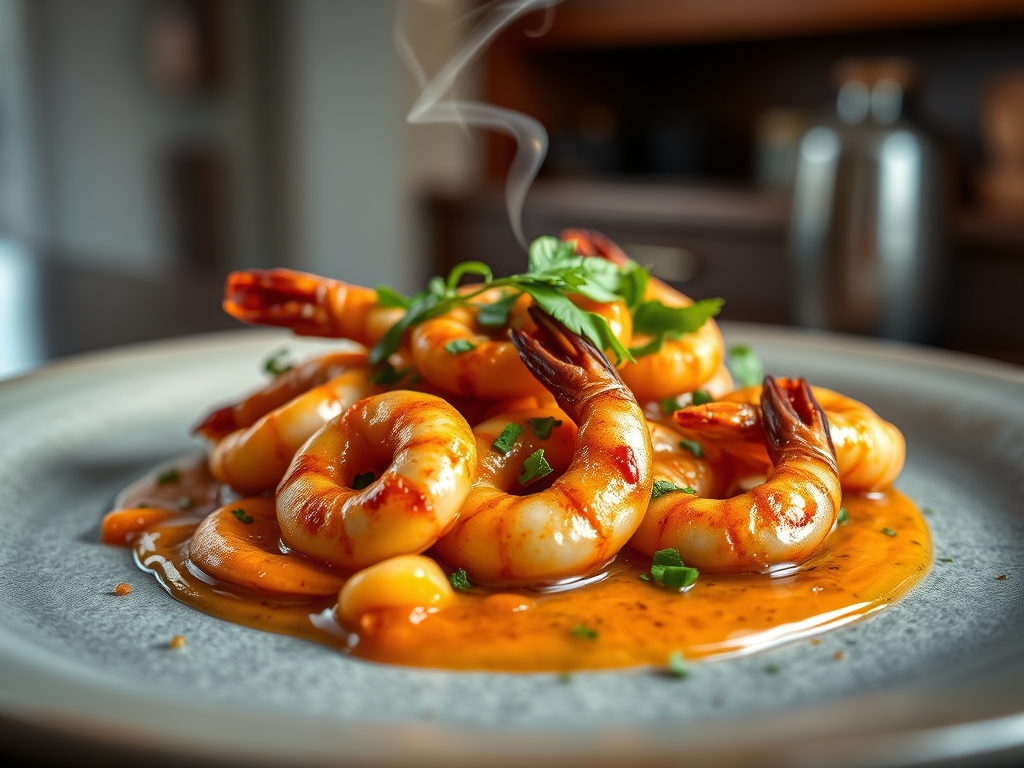
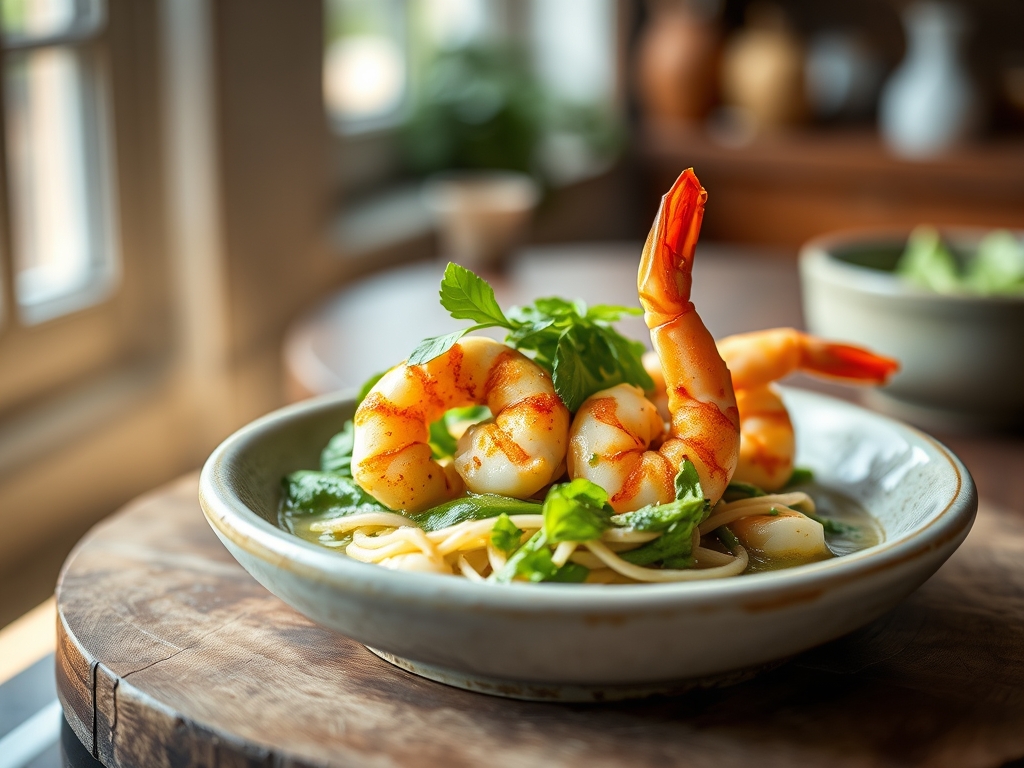
Thai Green Curry Shrimp

Coconut Milk Emulsification: The Technical Audit of Piquant Seafood Stews

Listen to the high-pitched hiss as the coconut cream hits the stainless steel. If you are not hearing that violent evaporation, you are already behind the curve. We are not just making dinner; we are conducting a high-stakes molecular audit of Thai Green Curry Shrimp. This is the gold standard of piquant seafood stews, where […]

Coconut Milk Emulsification: The Technical Audit of Piquant Seafood Stews Read More »
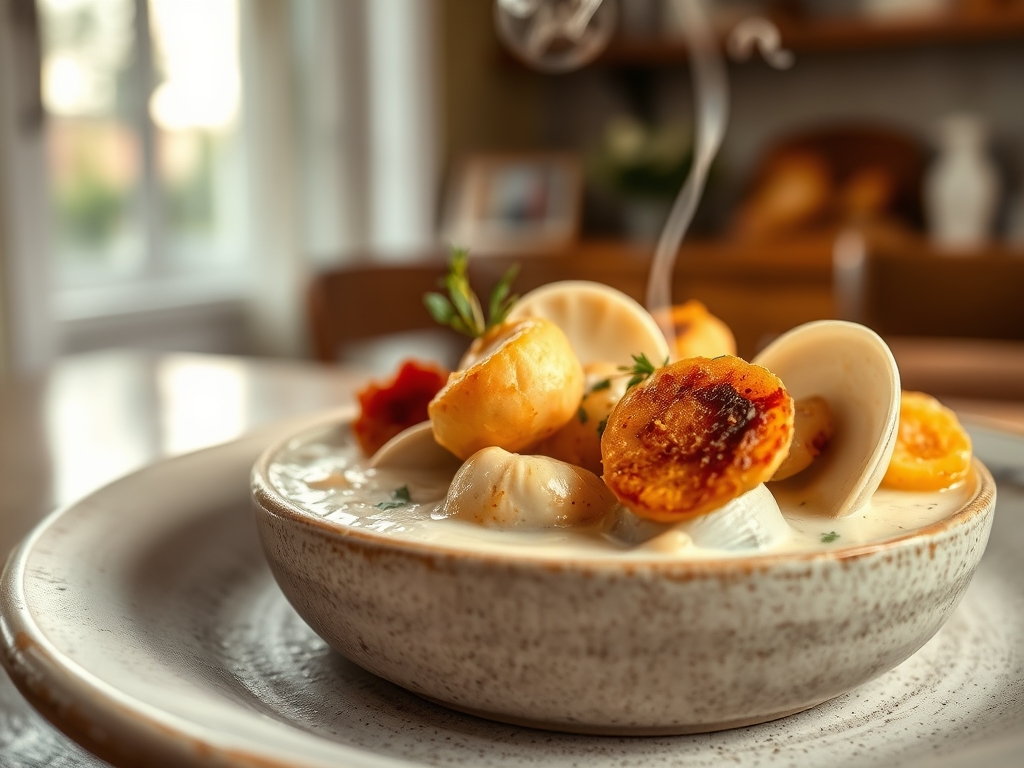
New England Clam Chowder

Mollusk Texture Stability: The Technical Infrastructure of Creamy Chowder

Forget the thin, watery decoctions of the uninitiated. We are here to discuss the structural integrity of the definitive New England Clam Chowder. This is not merely a soup; it is a high-performance emulsion designed to suspend bivalve protein within a matrix of lipid-rich dairy and starch. When executed with precision, it offers a sensory

Mollusk Texture Stability: The Technical Infrastructure of Creamy Chowder Read More »

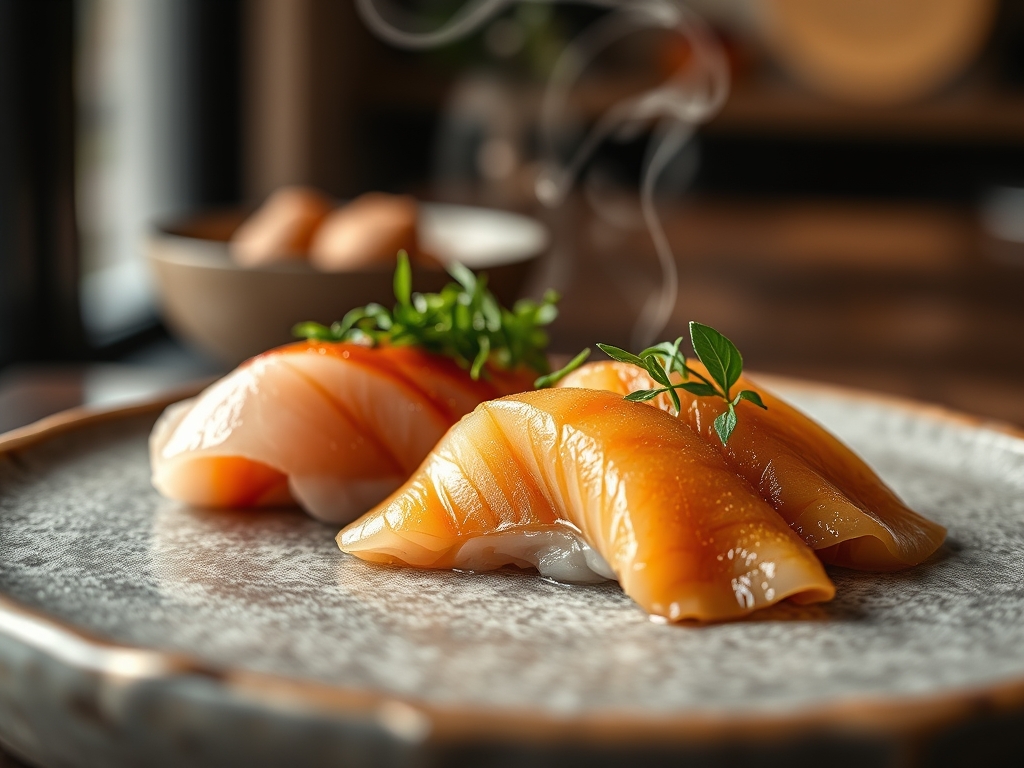
Japanese Sashimi

Cellular Integrity in Raw Proteins: The Technical Audit of Precision Slicing

The steel blade does not merely cut; it interrogates. When we discuss Japanese Sashimi, we are not talking about a simple appetizer. We are analyzing the structural integrity of muscle fibers at a cellular level. Imagine a slab of Bluefin Tuna or King Salmon resting on your station. To the untrained eye, it is dinner.

Cellular Integrity in Raw Proteins: The Technical Audit of Precision Slicing Read More »

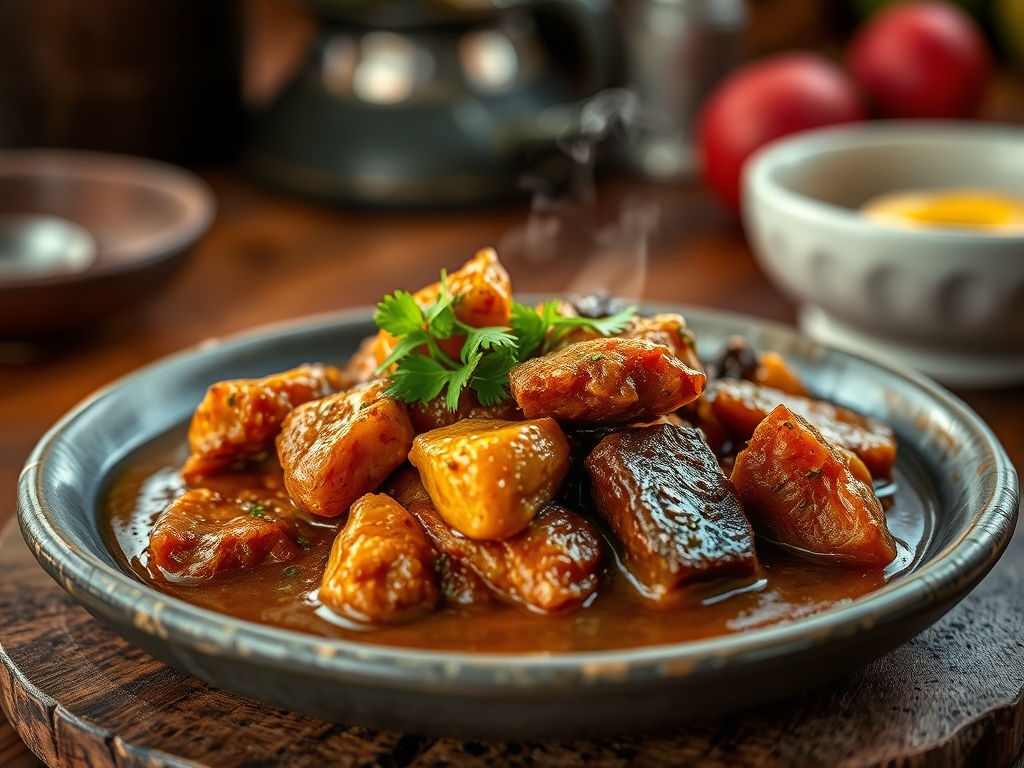
Babylonian Stew

Cuneiform Culinary Records: The Technical Infrastructure of Mesopotamian Lamb

Forget the romanticized image of a dusty desert campfire; we are entering a realm of high-precision culinary engineering that predates the modern kitchen by four millennia. You are not just cooking a meal; you are executing a piece of edible software written in the Yale Babylonian Tablets. This is the Babylonian Stew, a masterpiece of

Cuneiform Culinary Records: The Technical Infrastructure of Mesopotamian Lamb Read More »

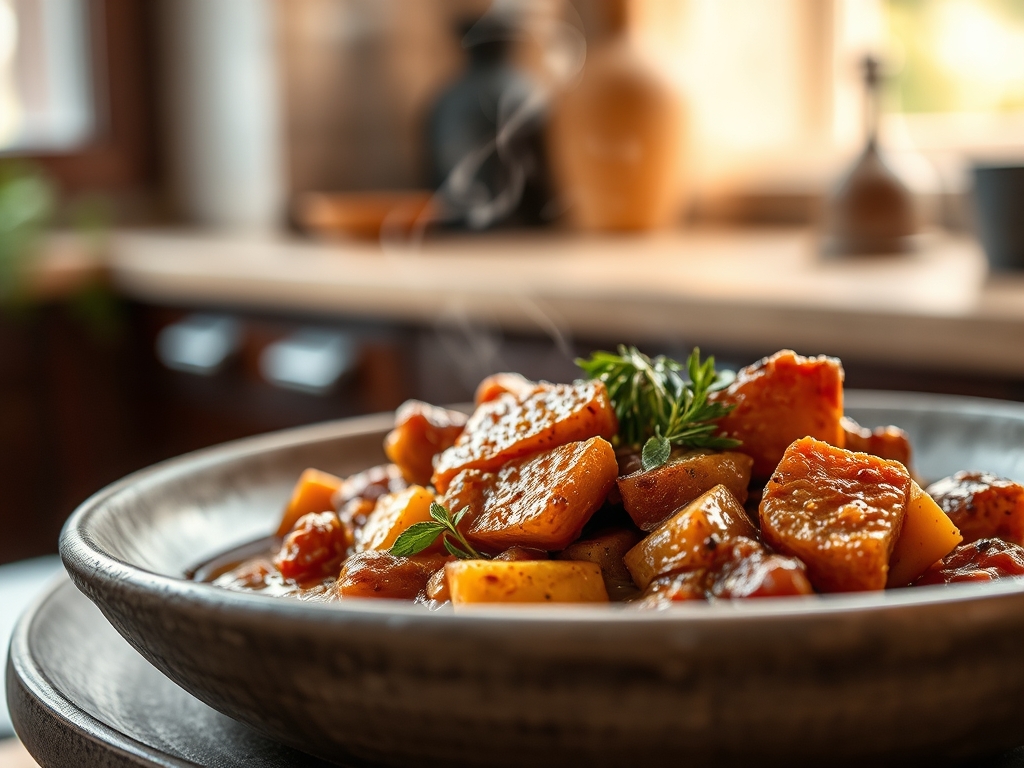
Etruscan Stew

Legume Cereal Hybridization: The Technical Audit of Pre Roman Hot Pots

Forget everything you know about modern slow cooking because we are traveling back to the dawn of culinary infrastructure. Imagine the scent of woodsmoke mingling with the earthy musk of toasted farro and the sharp, piquant bite of wild aromatics. This is the Etruscan Stew; a masterpiece of pre-Roman engineering that bridges the gap between

Legume Cereal Hybridization: The Technical Audit of Pre Roman Hot Pots Read More »

Early American Ashcakes

Direct Ember Conduction: The Technical Audit of Cornmeal Ash Baking

Imagine the scent of hardwood timber collapsing into a bed of incandescent embers. This is not a campfire story; it is a high stakes engineering project where the medium is mineralized carbon and the goal is the perfect crust. Early American Ashcakes represent the primal intersection of survival and chemistry. Forget the sterile environment of

Direct Ember Conduction: The Technical Audit of Cornmeal Ash Baking Read More »

Ottoman Baklava

Phyllo Layer Count Data: The Technical Audit of Honey Nut Architectures

Listen to the sound of forty layers of paper-thin dough shattering under the pressure of a silver fork. This is not merely dessert; this is a structural marvel engineered in the imperial kitchens of Topkapi Palace. Ottoman Baklava is the gold standard of pastry architecture, requiring a level of precision that would make a civil

Phyllo Layer Count Data: The Technical Audit of Honey Nut Architectures Read More »

Scroll to Top